Precision-manufactured fenestration products built to withstand severe weather, optimize building thermal envelope metrics, and satisfy international architectural building codes.
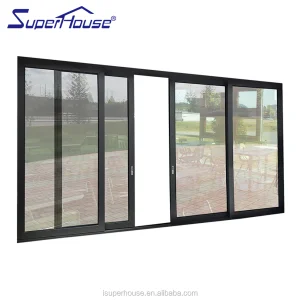
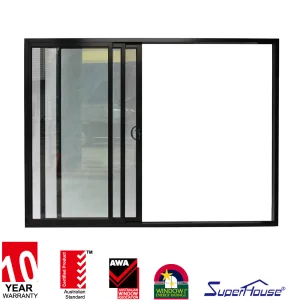
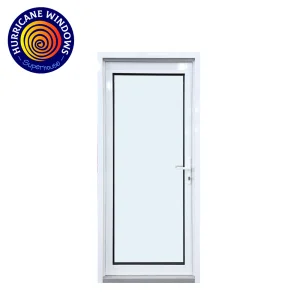
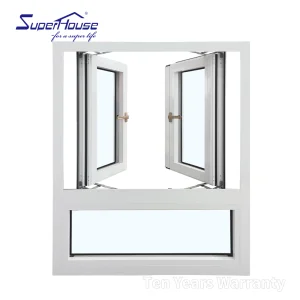
An empirical analysis of structural engineering, thermal performance optimization, and global building code alignment.
In contemporary commercial and high-end residential construction, architectural fenestration plays a decisive role in defining structural envelope thermal efficiency, structural resilience, and occupant comfort. As global energy building standards (such as Title 24 in North America, CE standards across the European Union, and AS2047 in Australia) tighten baseline performance metrics, the demand for precision-engineered aluminum door systems has accelerated globally. Aluminum has effectively supplanted traditional timber and unreinforced vinyl (uPVC) in large-span openings due to its superior strength-to-weight ratio, structural stability, and structural longevity under extreme weather conditions.
Historically, aluminum was criticized for its high thermal conductivity ($k \approx 160 \text{ W/m}\cdot\text{K}$). However, modern fenestration engineering neutralizes heat transfer via advanced polyamide thermal break barriers (PA66-GF25). By inserting glass-fiber reinforced polyamide struts between inner and outer extruded aluminum profiles, heat transfer channels are disrupted. This structural design allows modern aluminum sliding and casement systems to achieve U-factors as low as $0.24 \text{ Btu/h}\cdot\text{ft}^2\cdot^\circ\text{F}$ ($1.36 \text{ W/m}^2\cdot\text{K}$), meeting strict Net-Zero Energy and Passive House thermal criteria.
| Performance Metric | Architectural Thermal Break Aluminum | Standard Non-Thermal Aluminum | uPVC / Vinyl Systems | Structural Timber |
|---|---|---|---|---|
| Structural Strength (Yield) | High (240+ MPa / 6063-T6) | High (200+ MPa / 6063-T5) | Low (Requires Steel Core) | Medium (Varies by Species) |
| U-Factor Performance | 0.22 – 0.32 Btu/h·ft²·°F | 0.80 – 1.20 Btu/h·ft²·°F | 0.26 – 0.35 Btu/h·ft²·°F | 0.30 – 0.40 Btu/h·ft²·°F |
| Wind Load Resistance (DP Rating) | DP70 – DP100+ (HVHZ) | DP30 – DP50 | DP30 – DP50 | DP40 – DP60 |
| Corrosion Resistance & Finish Life | AAMA 2605 PVDF Fluorocarbon (30+ Yrs) | Standard Anodized (10-15 Yrs) | Fading/UV Degradation (10 Yrs) | Requires Frequent Repainting/Sealing |
| Recyclability & Circularity | 100% Infinite Recyclability | 100% Infinite Recyclability | Limited Downcycling | Biodegradable (If untreated) |
With coastal urbanization expanding and extreme meteorological events increasing in frequency, structural envelope integrity has become a primary engineering mandate. High-Velocity Hurricane Zones (HVHZ), such as South Florida (Miami-Dade County) and coastal Australia, require entry and sliding door assemblies to withstand immense cyclic pressure loads and large-missile impact testing. Impact-resistant aluminum sliding and folding doors incorporate heavy-wall 6063-T6 extrusion profiles, multi-point lock hardware, and structural laminated glass units featuring PVB or SGP (SentryGlas®) interlayers. These assemblies prevent envelope breach under design wind loads exceeding $\pm 100 \text{ PSF}$, maintaining structural sealing even when glass panes sustain outer structural fracturing.
A data-driven OEM/ODM manufacturing facility delivering international compliance and reliable export scalability.
Integrating automated CNC fabrication, intelligent optical sorting, and rigorous laboratory quality assurance protocols.
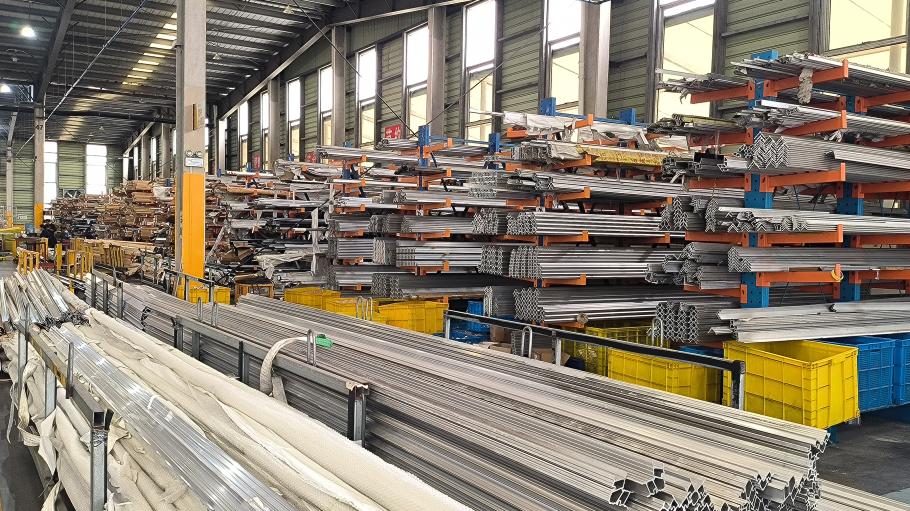
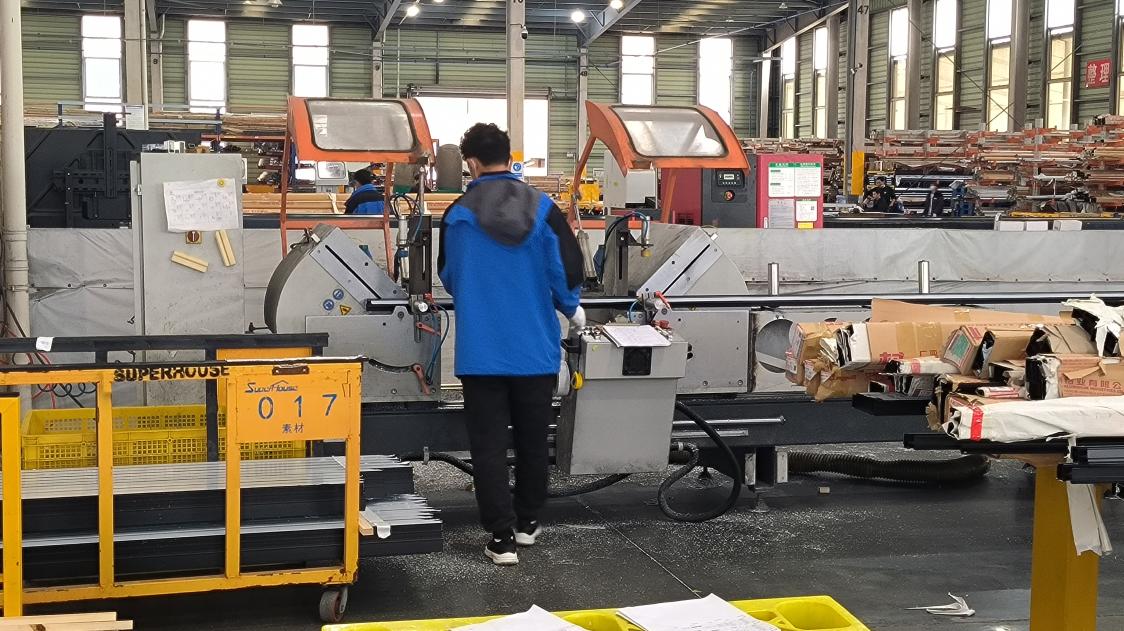
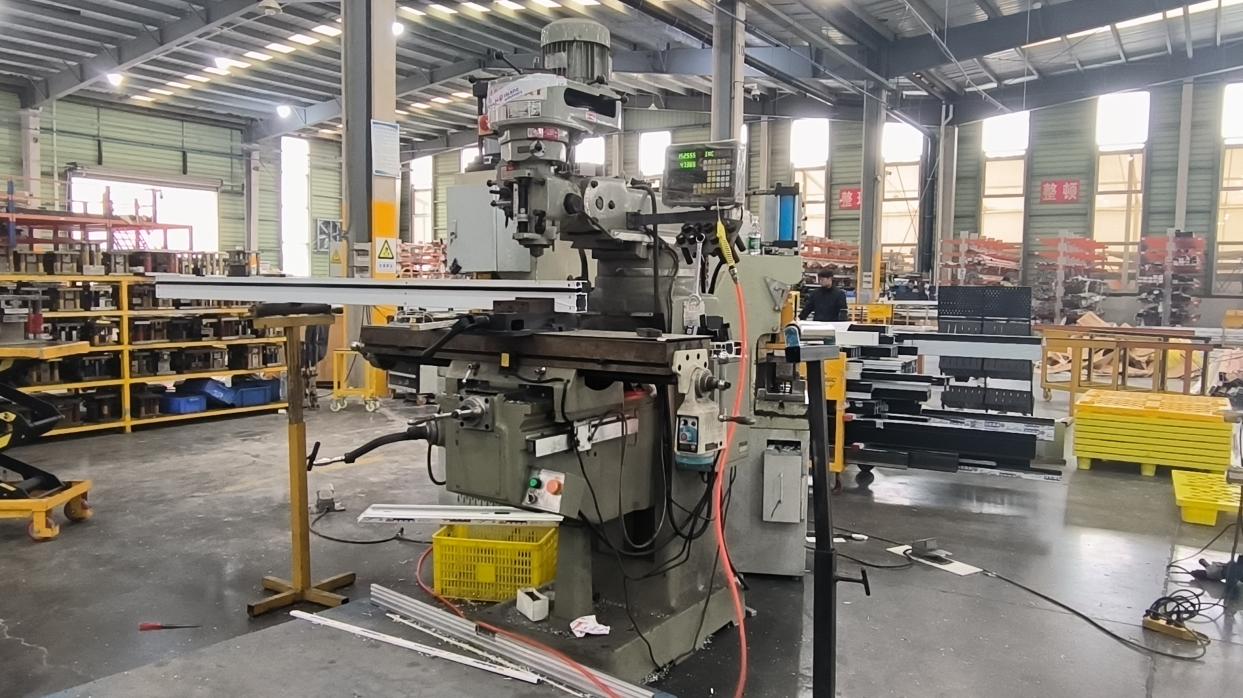
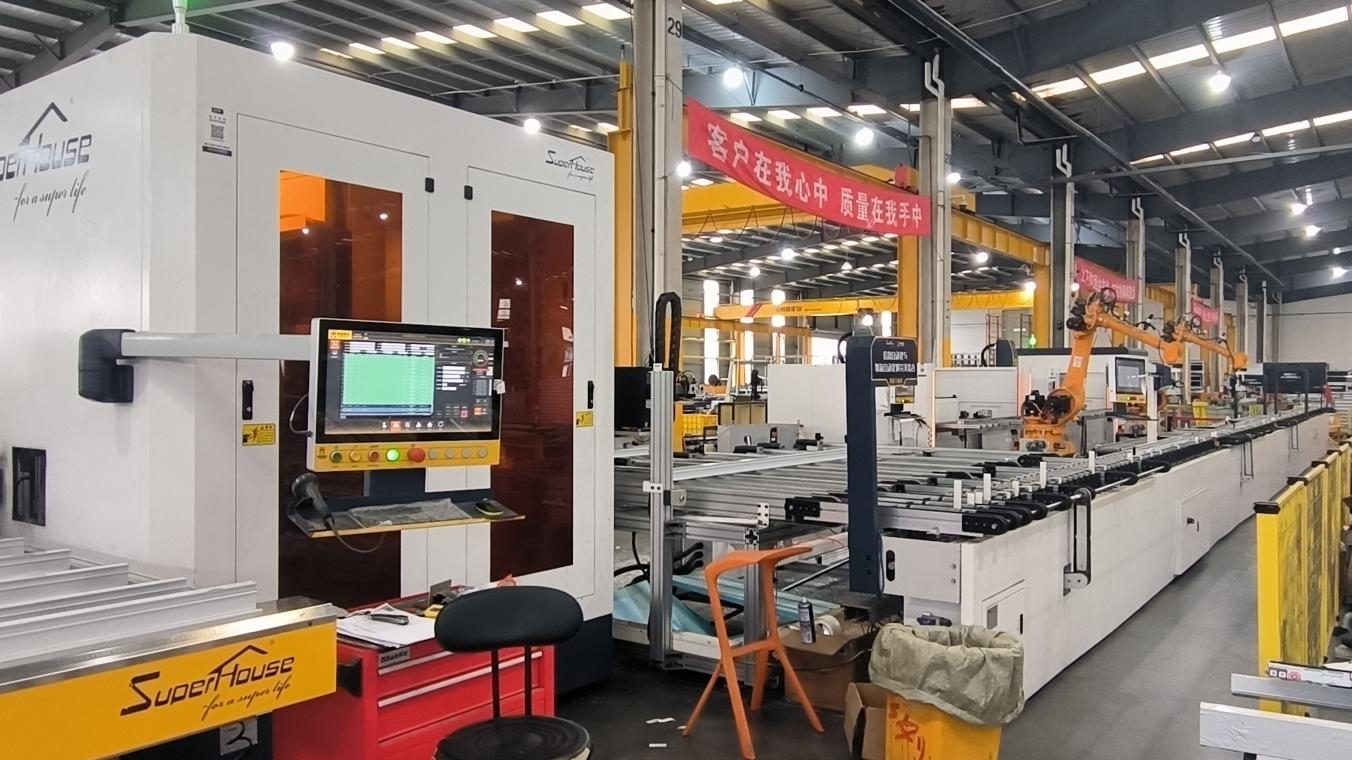
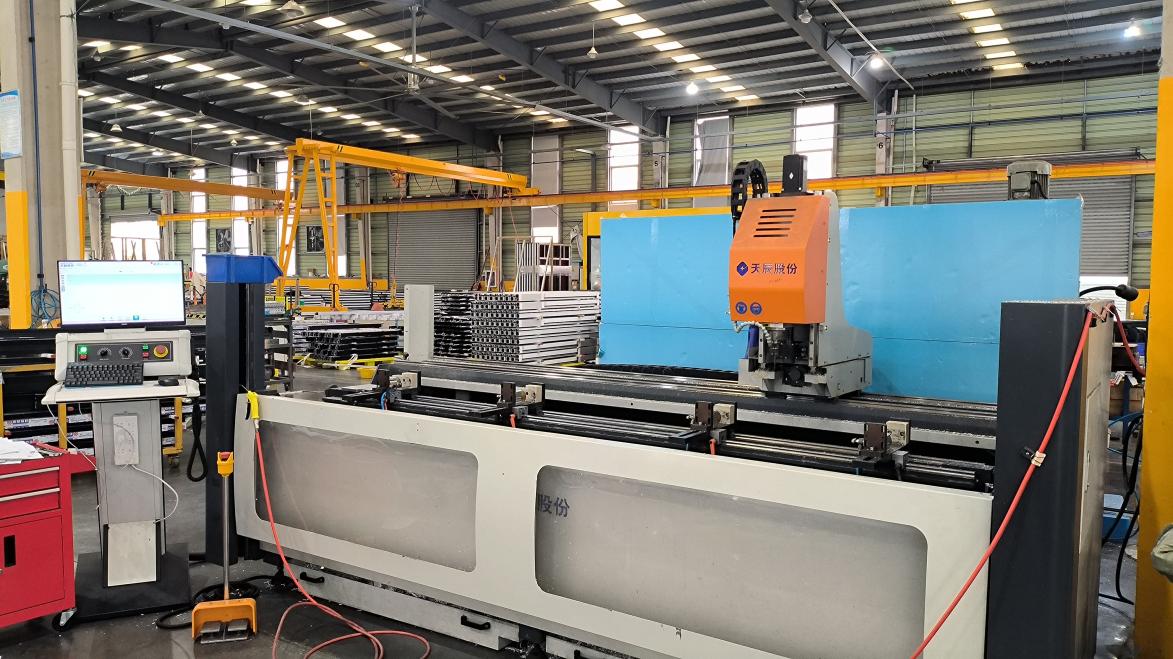
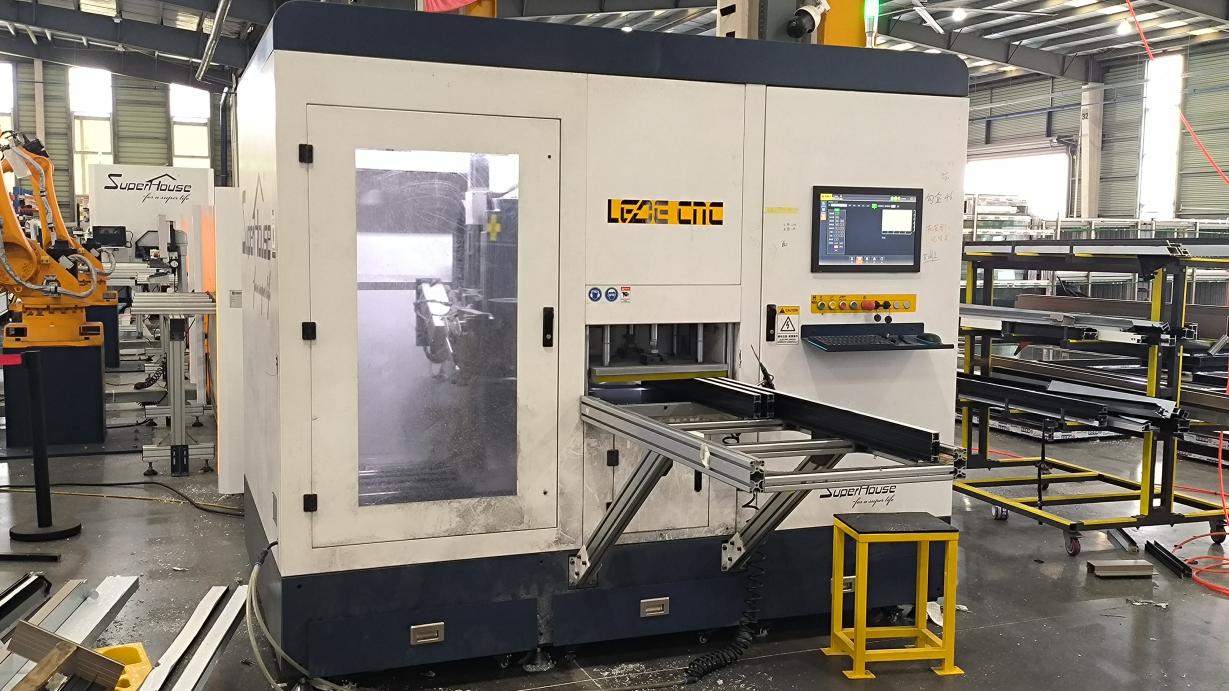
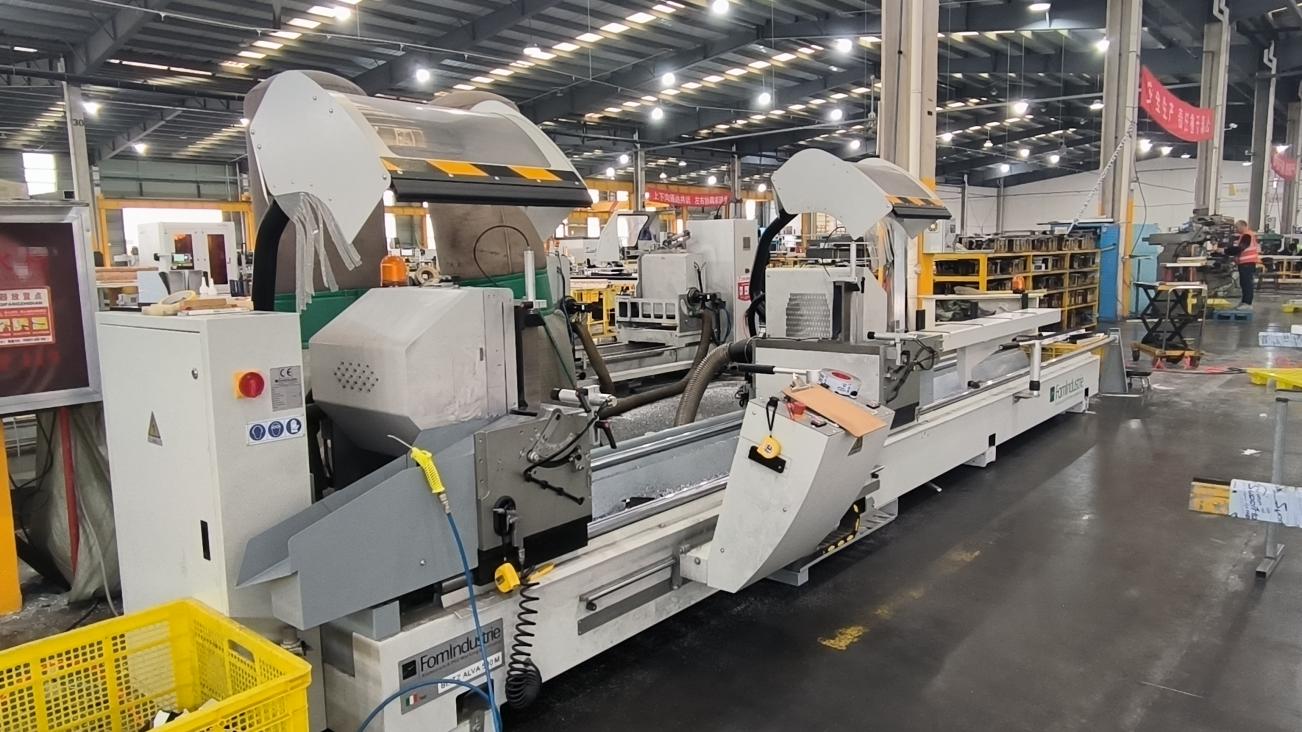
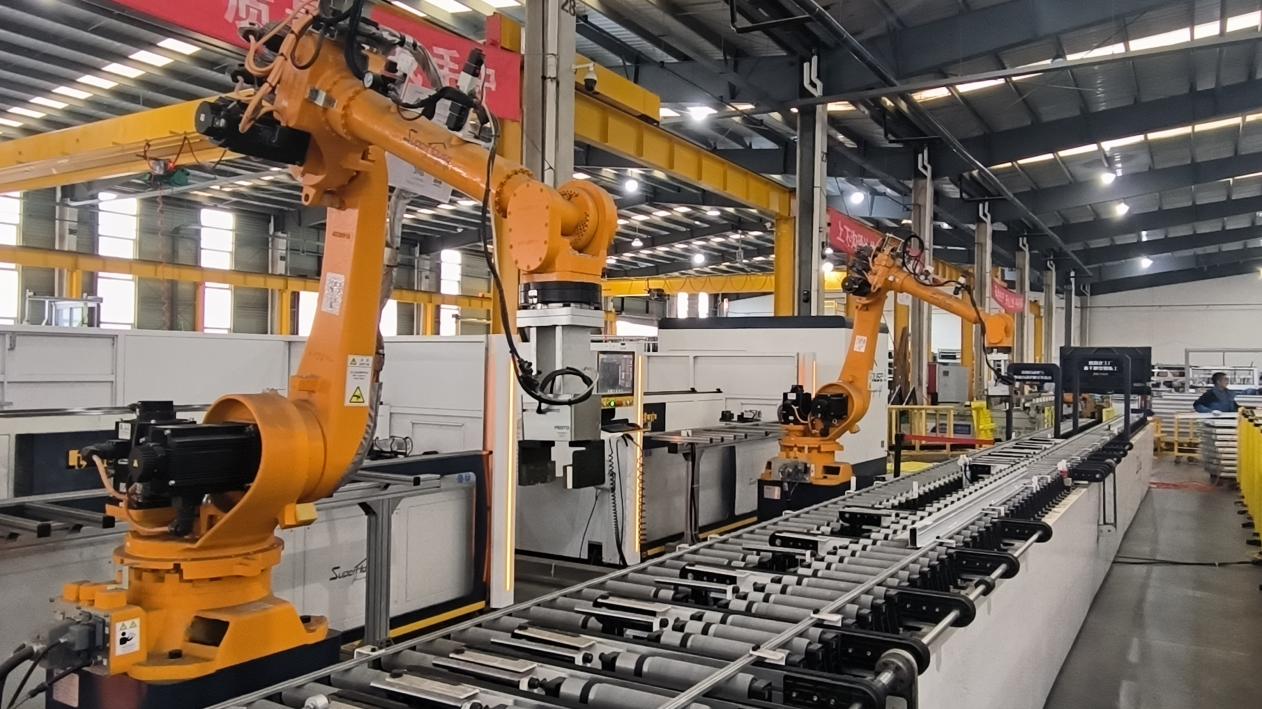
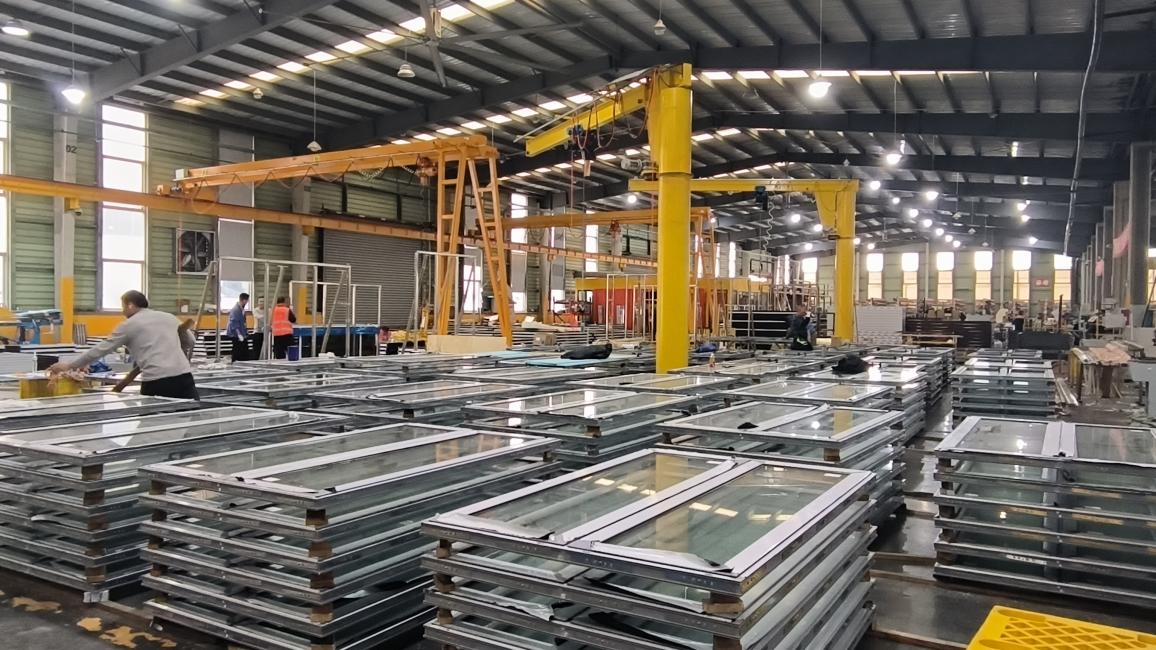
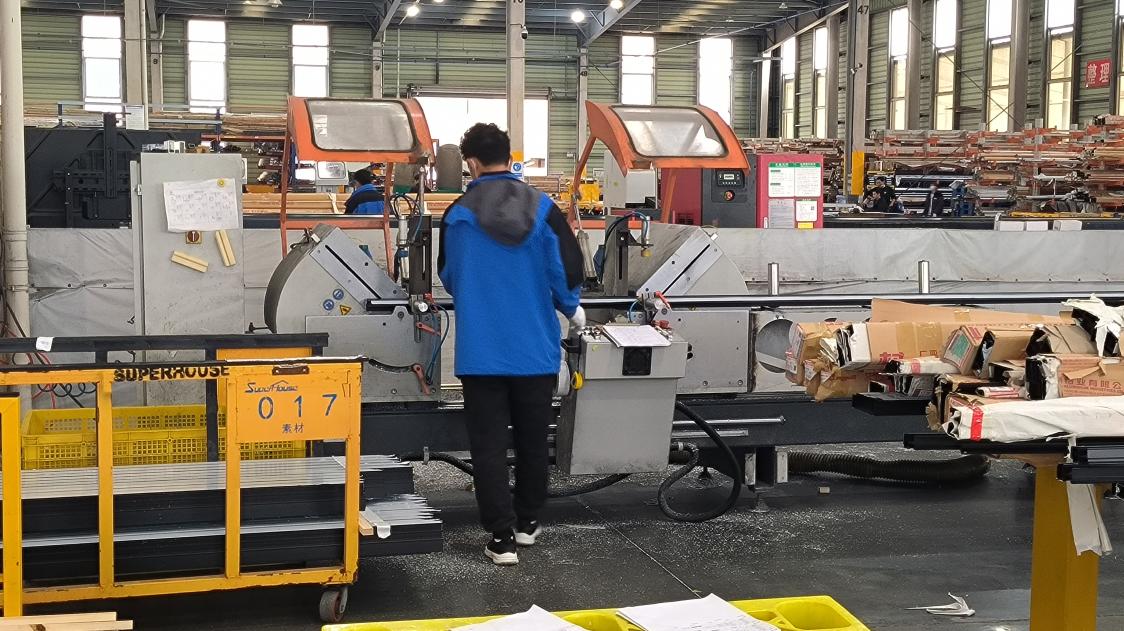
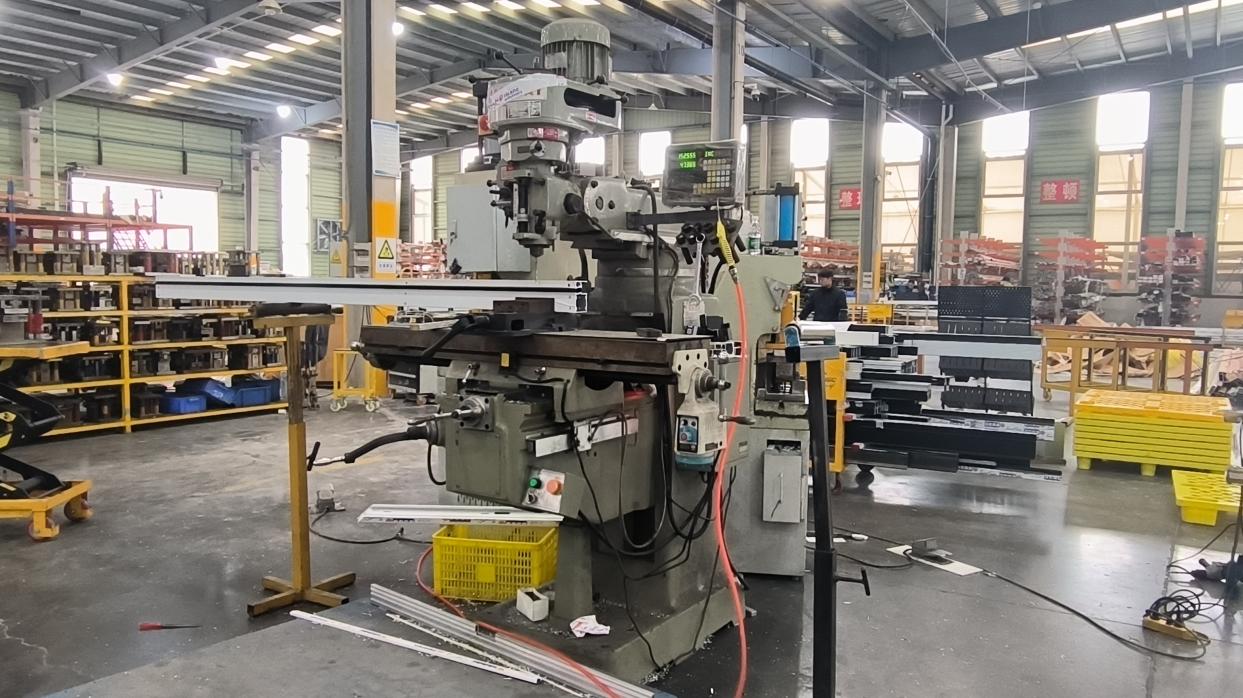
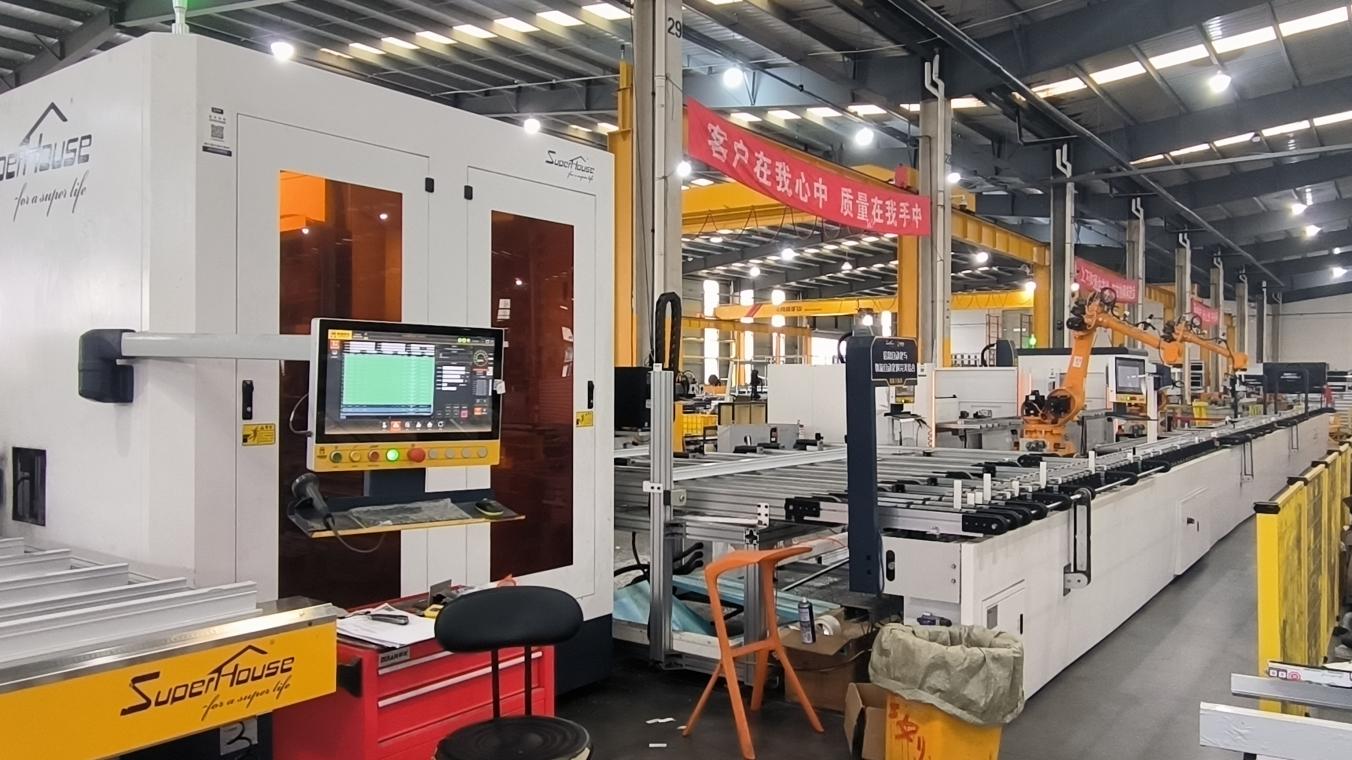
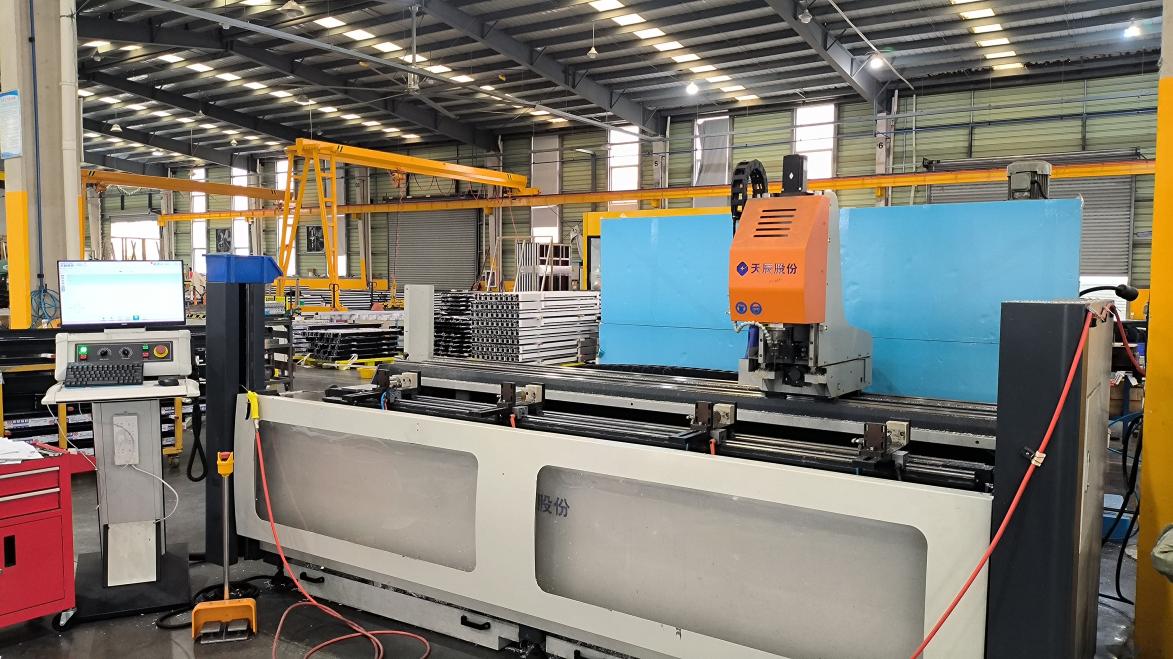
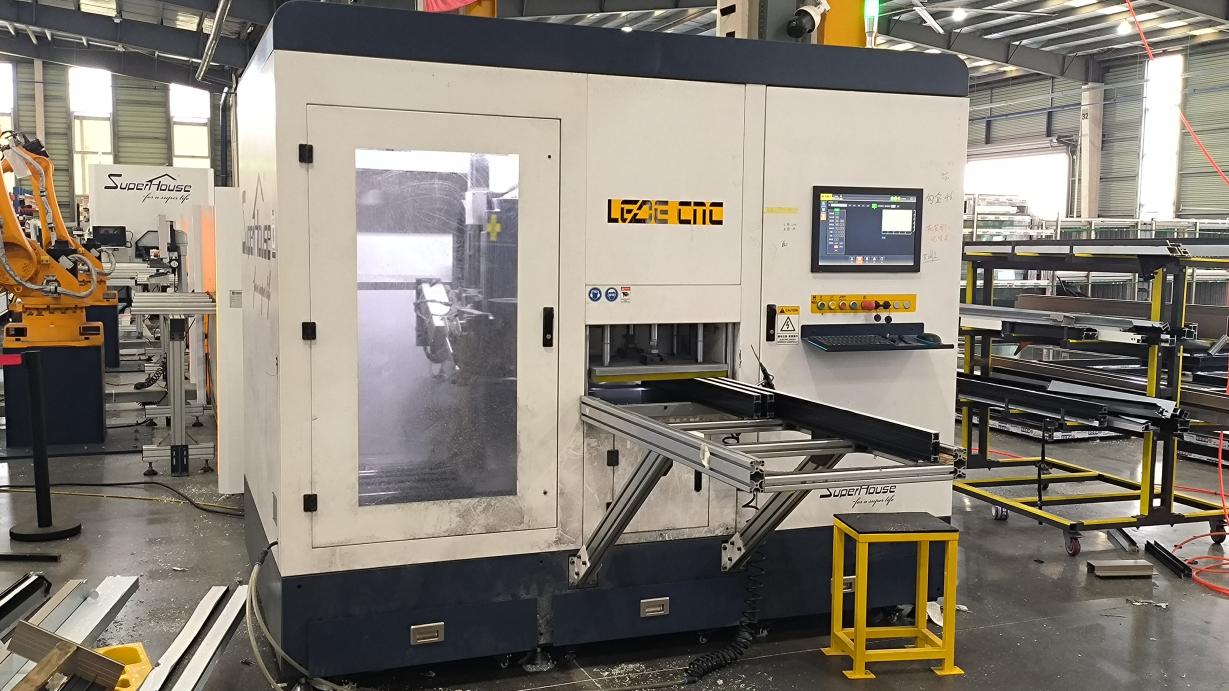
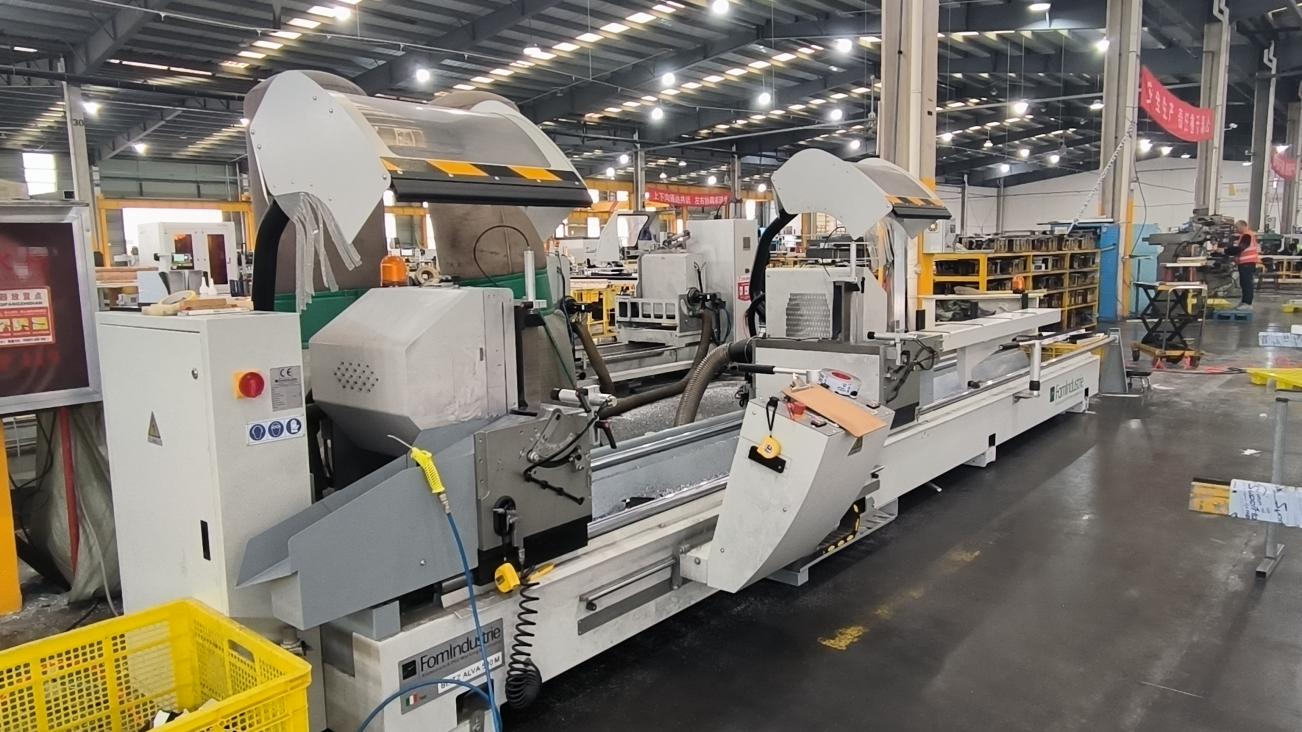
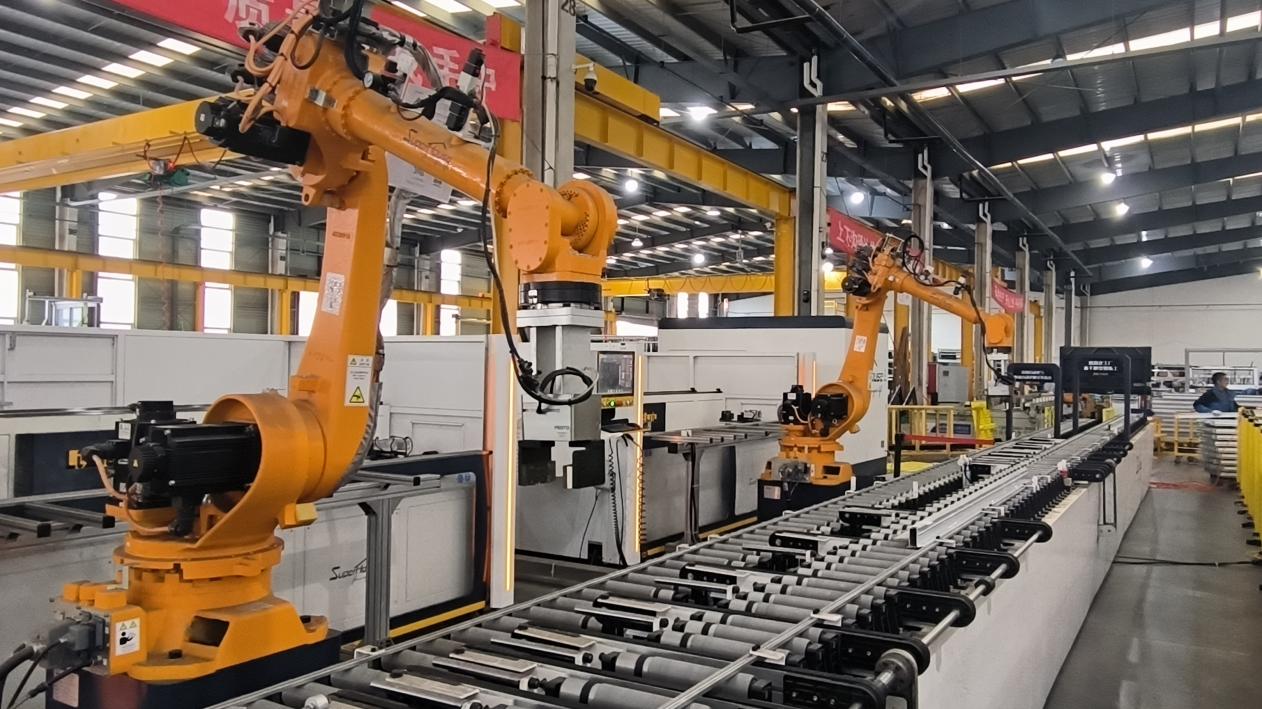
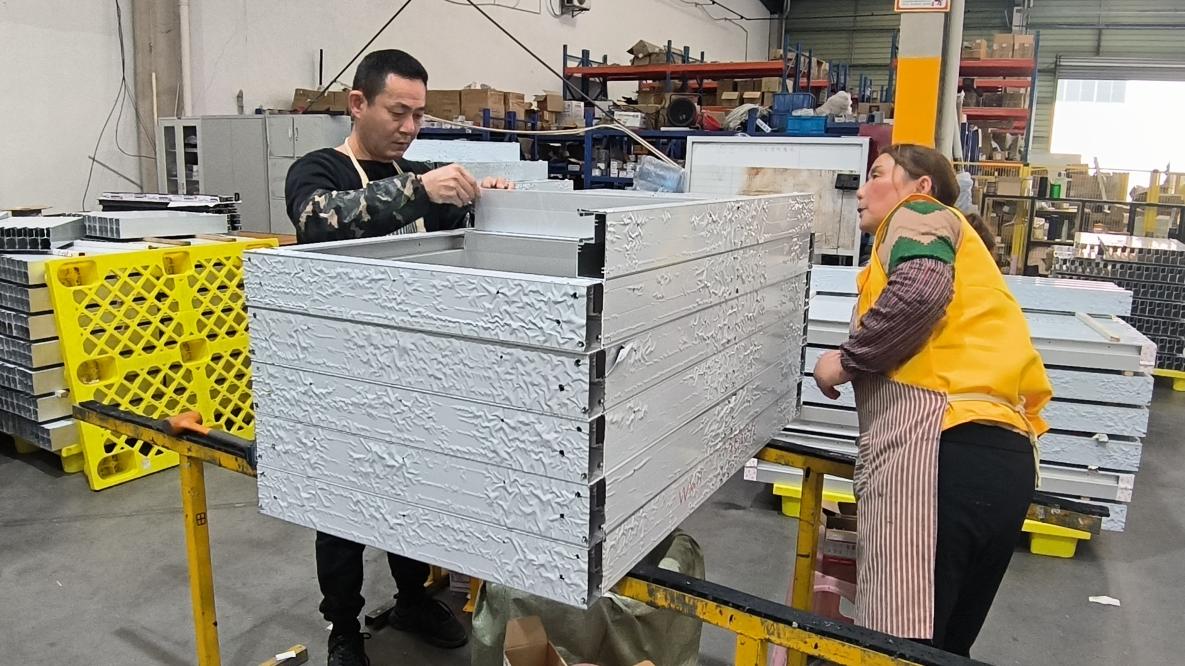
Established in 2014, Grandex Door Solutions Co., Ltd. operates from a 35,000 m² modern manufacturing ecosystem equipped with 5-axis CNC double-head cutting saws, automated milling centers, and automated sorting storage. Backed by 16 years of industry experience and 8 years of dedicated export logistics, Grandex maintains an annual export revenue of $28 million USD across North American, Western European, and Australian commercial and residential sectors.
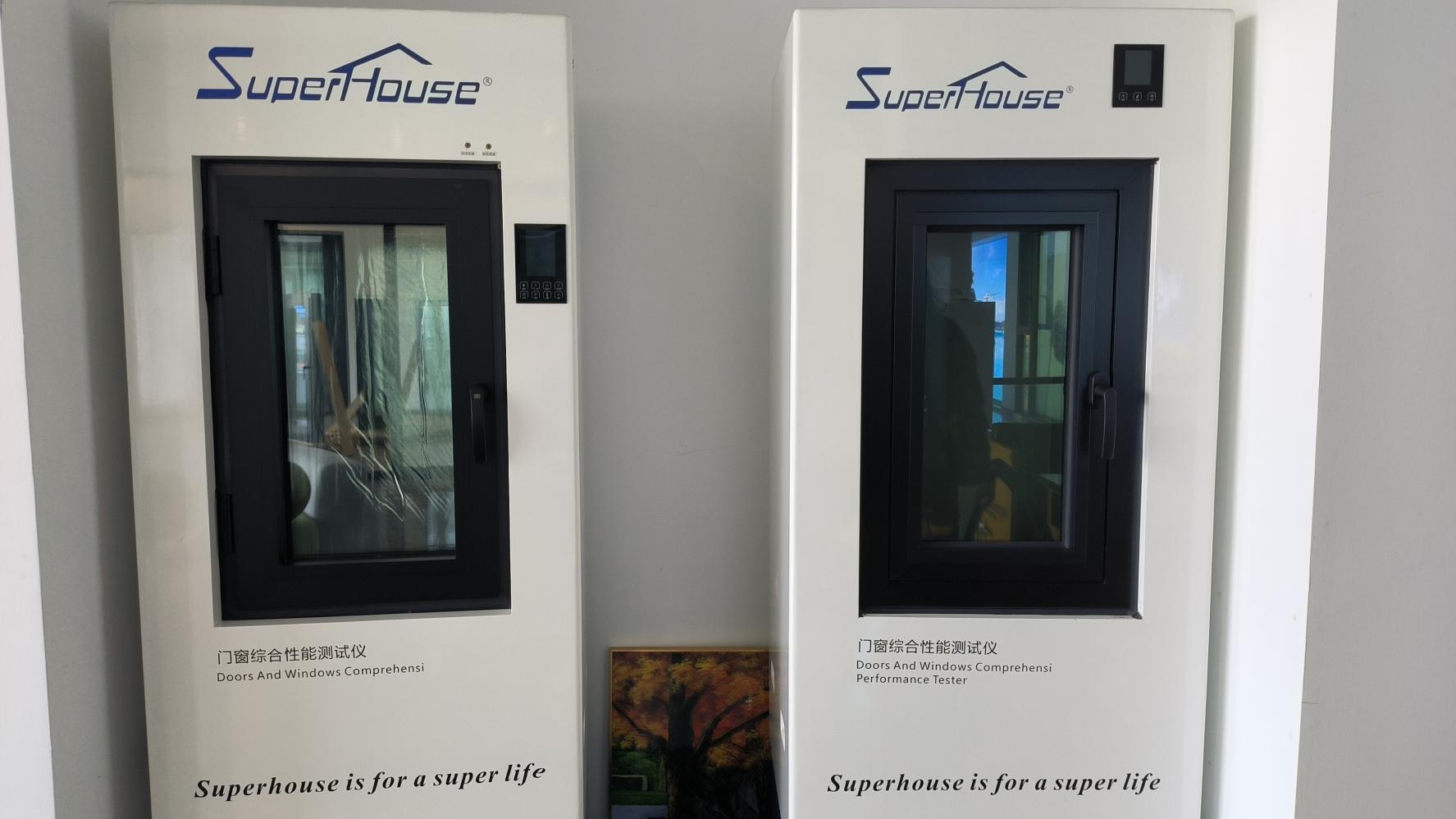
Quality reliability is enforced through an internal testing structure governed by a 45-member Quality Assurance (QA) team. Every production lot undergoes ISO 9001 standardized quality control, alongside continuous third-party laboratory verification for air infiltration (ASTM E283), water penetration resistance (ASTM E331), and structural load performance (ASTM E330).
Navigating regional building regulations and strategic sourcing dynamics for architectural developers and distributors.
Commercial developments in North America mandate compliance with NFRC (National Fenestration Rating Council) for energy certification and AAMA/WDMA/CSA 101/I.S.2/A440 standards. Projects along coastal zones require Florida NOA (Notice of Acceptance) or Miami-Dade HVHZ approval, ensuring products withstand missile impact testing (TAS 201/203) and cyclic pressure loads.
Fenestration imports into Australia must comply with AS2047 (Windows and External Glazed Doors in Buildings) and AS1288 (Glass in Buildings). Testing parameters focus on deflection under structural wind load, air infiltration control, water penetration resistance up to high pressure levels (Pa), and Bushfire Attack Level (BAL-40/FZ) compliance.
EU projects require CE marking under EN 14351-1. Sourcing criteria focus heavily on thermal transmittance values ($U_w$), acoustic attenuation ($R_w$ ratings up to 45 dB), and cradle-to-cradle material circularity, favoring 6063 aluminum profiles treated with eco-friendly chrome-free powder coating pretreatments.
Explore our custom OEM/ODM series engineered for luxury villas, commercial towers, and severe weather zones.
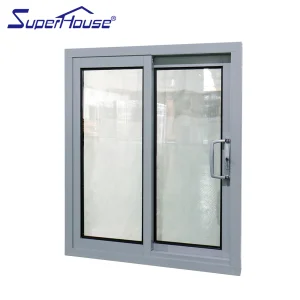
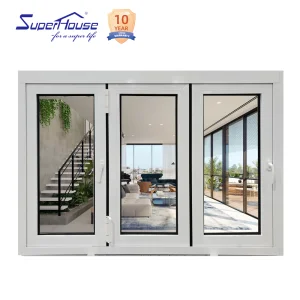
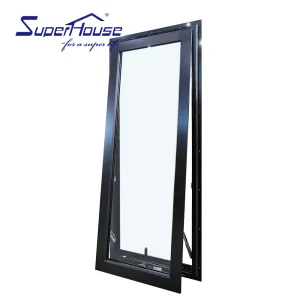
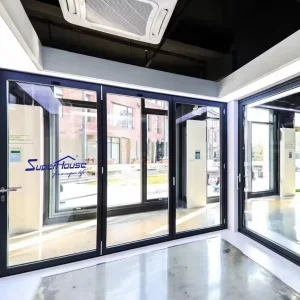
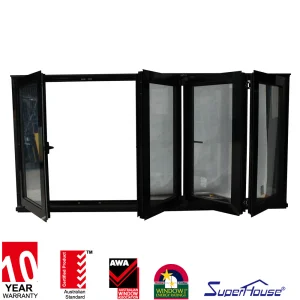
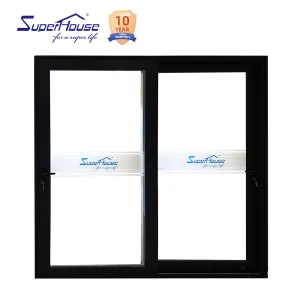
From luxury coastal estates to high-occupancy commercial installations, explore localized engineering implementations.
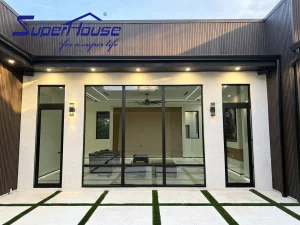
Utilizes marine-grade 6063-T6 aluminum profiles coated with AAMA 2605 PVDF fluorocarbon paint to prevent salt-fog pitting, combined with SGP impact laminated glass for windstorms up to Category 5 strength.
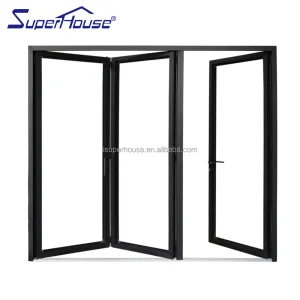
Integrates multi-point locking hardware with reinforced internal steel stiffeners. Offers low-E argon-filled double glazing for high acoustic isolation (STC 42+) and maximum thermal envelope efficiency.
Custom emergency panic-hardware escape doors engineered to satisfy municipal life-safety codes, featuring zero-threshold tracks for barrier-free ADA accessibility.
In-depth answers addressing architectural specifications, certifications, custom capabilities, and shipping dynamics.
 Grandex Door