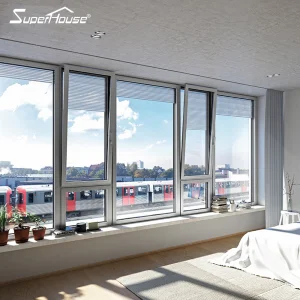
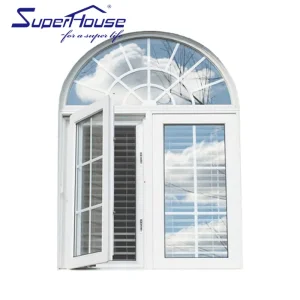
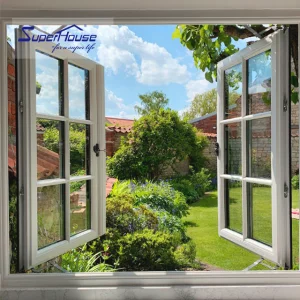
The global architectural fenestration sector is undergoing a profound structural paradigm shift. Driven by ultra-modern aesthetic trends, strict regional building energy conservation codes, and the accelerating adoption of Passive House standards, the market demand for slim profile aluminum casement windows has expanded exponentially. Commercial developers, real estate investment trusts (REITs), structural engineers, and high-end residential architects are increasingly specifying minimal sightline systems that maximize natural light transmission without compromising structural rigidity, thermal insulation, or storm resistance.
Historically, traditional casement window designs relied on bulky aluminum extrusions with visible frame widths exceeding 90mm to achieve structural wind load resistance. However, modern metallurgical advancements, specifically high-tensile 6063-T6 and 6060-T66 aluminum alloys, combined with multi-chamber thermal breaks and structural silicone glazing technology, have enabled leading manufacturers to engineer profiles with frame sightlines under 35mm. This architectural synthesis allows for expansive glazing ratios, elevated Solar Heat Gain Coefficient (SHGC) control, and exceptional U-factors, fundamentally redefining fenestration performance globally.
High-density residential towers and luxury commercial real estate are adopting ultra-narrow sightlines to maximize interior real estate value, unobstructed panoramic views, and optimal day-lighting performance.
Decarbonization policies mandate U-factors below 0.8 to 1.2 W/m²K. Dual- and triple-glazed Low-E argon-filled units within thermal break slim frames deliver unprecedented insulation performance.
Impact-resistant laminated glass paired with multi-point stainless steel locking hardware provides certified protection against Category 5 hurricane wind loads and forced entry threats.
Designing an ultra-slim casement window requires sophisticated mechanical engineering to balance narrow visible frame sightlines with robust structural load capacities. Below is a detailed technical analysis of the structural components, thermal break physics, and glazing configurations utilized by top-tier manufacturers like Grandex Door Solutions Co., Ltd.
Solid aluminum profiles conduct heat at approximately 160 to 200 W/m·K. To mitigate thermal bridging, high-performance casements incorporate structural thermal isolators made of 25% glass-fiber reinforced Polyamide (PA66-GF25). This composite material exhibits a thermal conductivity of only 0.3 W/m·K, effectively isolating the interior aluminum extrusion from exterior atmospheric temperatures. Multi-cavity thermal break designs further disrupt convective airflow inside the profile chamber.
The glass unit represents up to 85% of a casement window's total surface area. Modern engineering utilizes double and triple Insulating Glass Units (IGU) featuring magnetron sputter vacuum deposition (MSVD) Low-E coatings. These micro-thin silver layers selectively reflect long-wave infrared radiation (heat) while admitting visible solar spectrum spectrums.
| Specification Parameter | Standard Aluminum Casement | Grandex High-Performance Slim Thermal Break | Compliance / Testing Standard |
|---|---|---|---|
| Visible Profile Sightline | 75mm - 110mm | 28mm - 45mm (Ultra-Slim) | Architectural Blueprint Specs |
| Overall Thermal U-Factor | 2.8 - 3.5 W/m²K | 0.8 - 1.4 W/m²K | NFRC 100 / EN ISO 10077-2 |
| Structural Wind Load Resistance | 1500 Pa (P1) | Up to 5000 Pa (DP70 - DP100) | ASTM E330 / AS2047 / TAS 202 |
| Acoustic Attenuation (STC/OITC) | STC 28 / OITC 24 | STC 42 / OITC 36 (Laminated) | ASTM E90 / ISO 140-3 |
| Air & Water Infiltration Rate | 0.30 cfm/ft² @ 6.24 psf | < 0.01 cfm/ft² @ 15.0 psf (720 Pa) | ASTM E283 / ASTM E331 |
Slim profile casements utilize continuous, high-grade EPDM (Ethylene Propylene Diene Monomer) ternary rubber gaskets engineered with air-buffered multi-seal chambers. When the operator engages the heavy-duty stainless steel multi-point gear transmission (Espagnolette system), the sash pulls uniformly against the frame weather-stripping, achieving superior air tightness, noise reduction, and water barrier performance under high wind-driven rain scenarios.
Established in 2014, Grandex Door Solutions Co., Ltd. is a premier fenestration and entry door manufacturer operating from a modern 35,000 m² high-tech facility. Backed by 16 years of technical industry expertise and 8 years of dedicated global export experience, Grandex generates an annual export volume of USD 28 million. Grounded in robust OEM and ODM trade capabilities, our high-end architectural products primarily serve North America, Western Europe, Australia, and the Middle East, supported by an expansive global supply chain network of over 1,200 commercial partners.
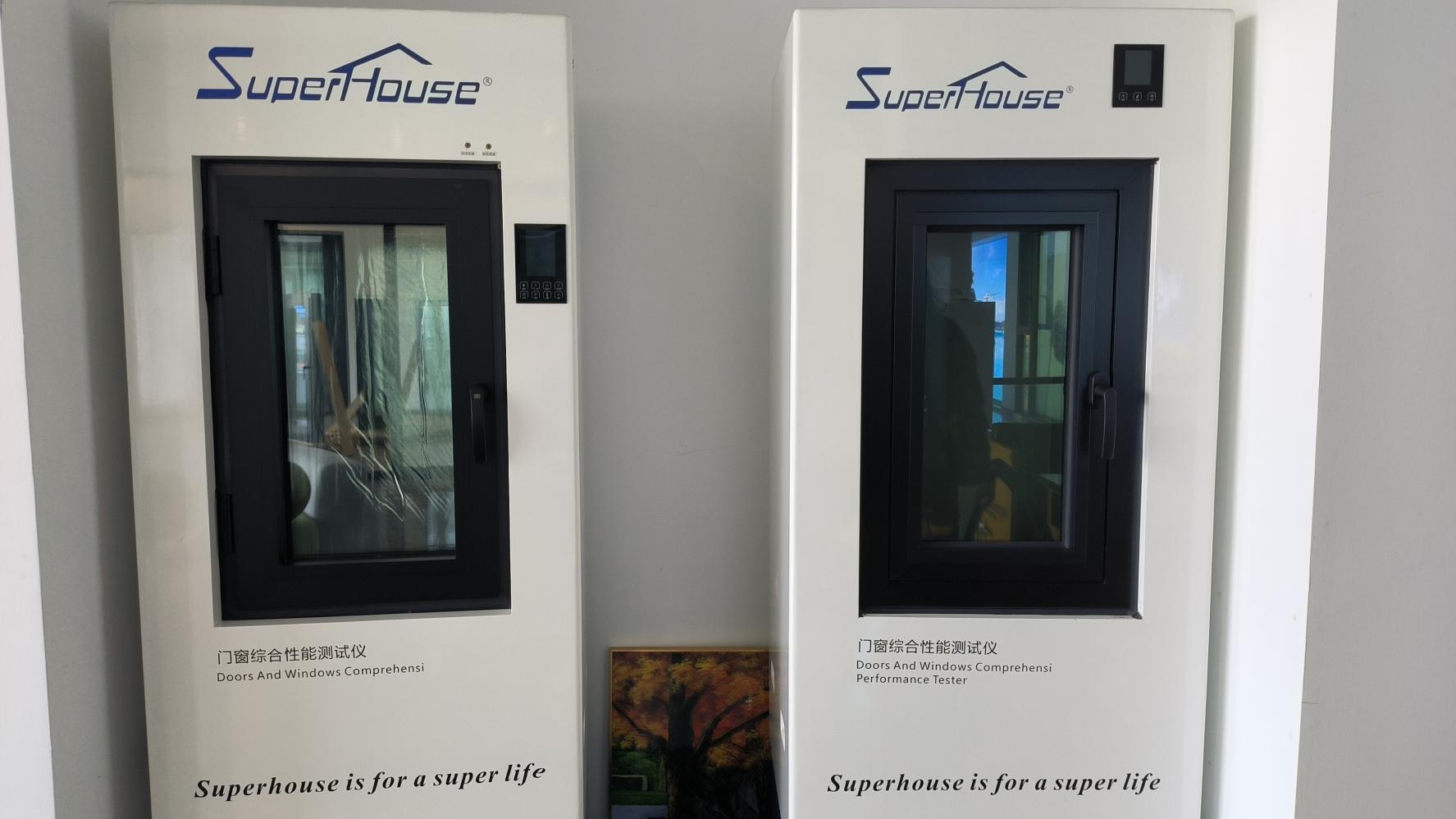
Quality assurance is embedded at every stage of the manufacturing matrix. Grandex maintains an elite 45-member Quality Assurance (QA/QC) team executing strict ISO 9001 internal testing alongside independent third-party laboratory verification. Driven by an active R&D division housing 85 specialized engineers, Grandex introduced over 120 new window and door designs last year, delivering completely customized engineering solutions spanning bespoke dimensions, security locking mechanisms, powder-coating or anodized surface finishes, and decorative high-impact glazing options.
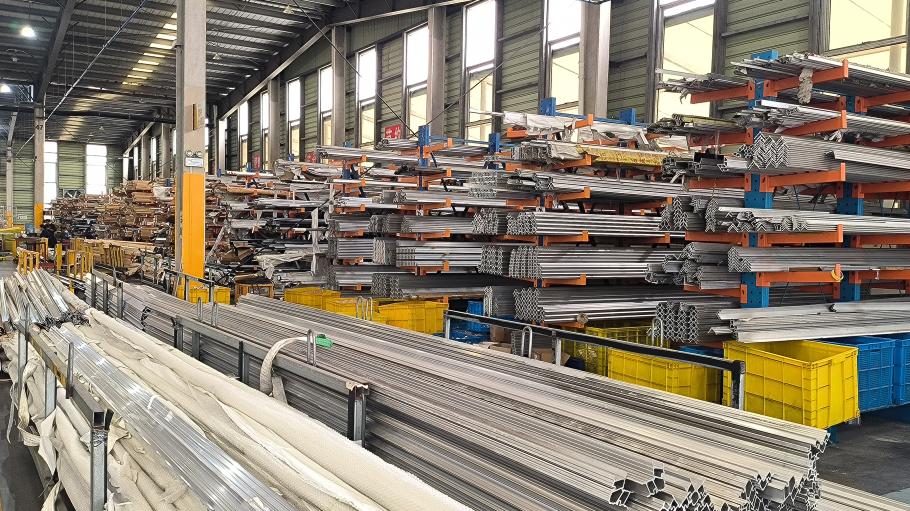
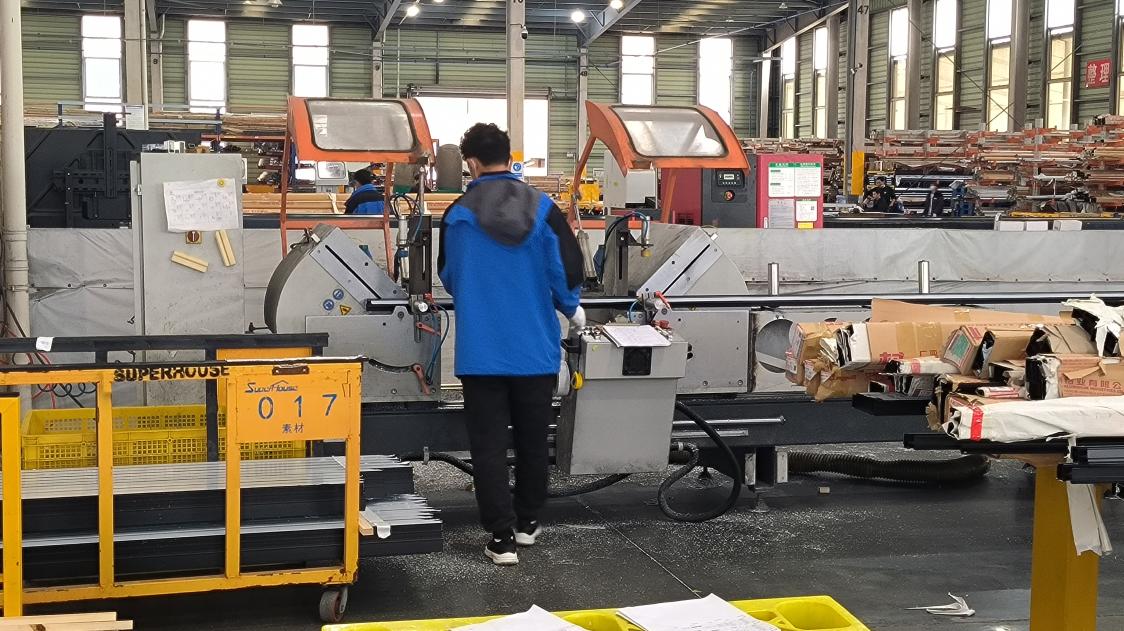
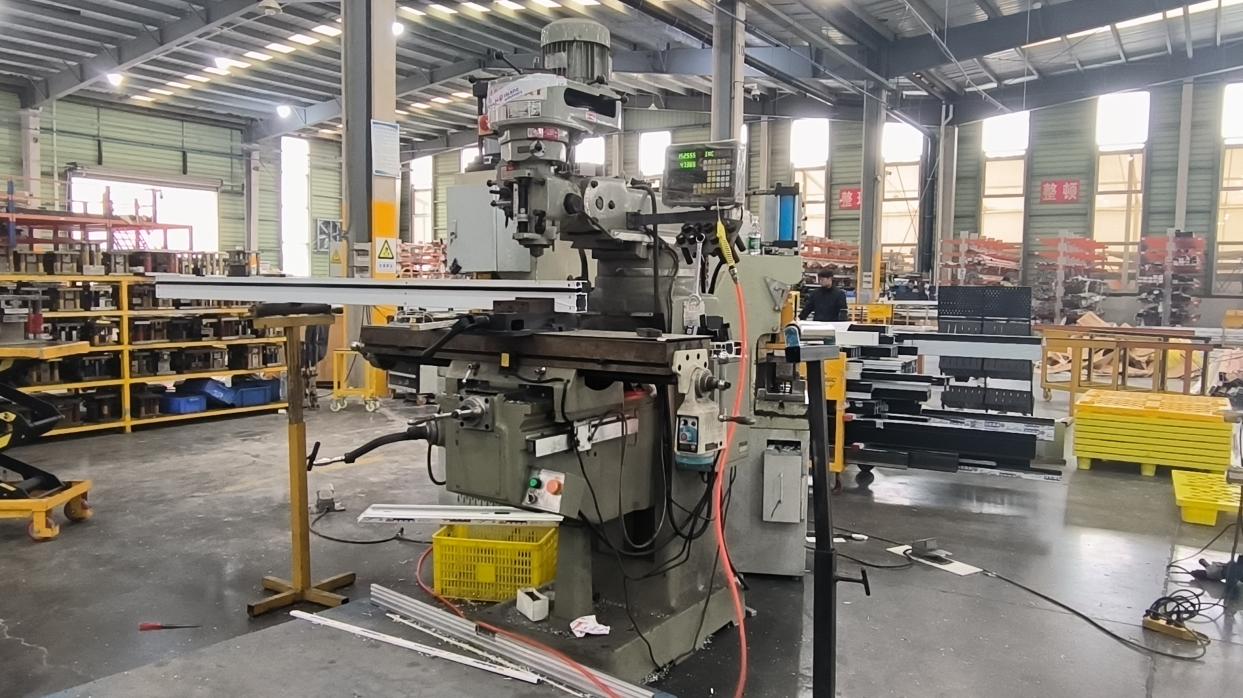
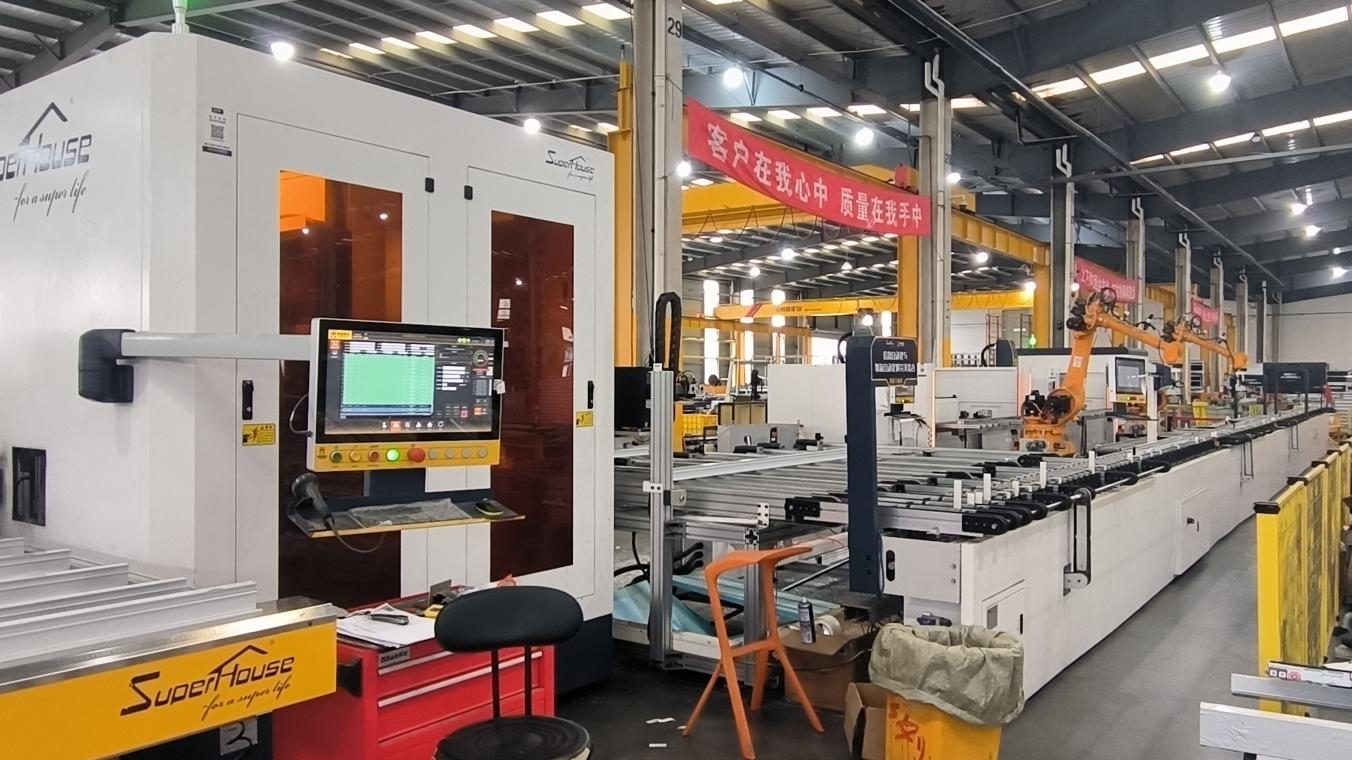
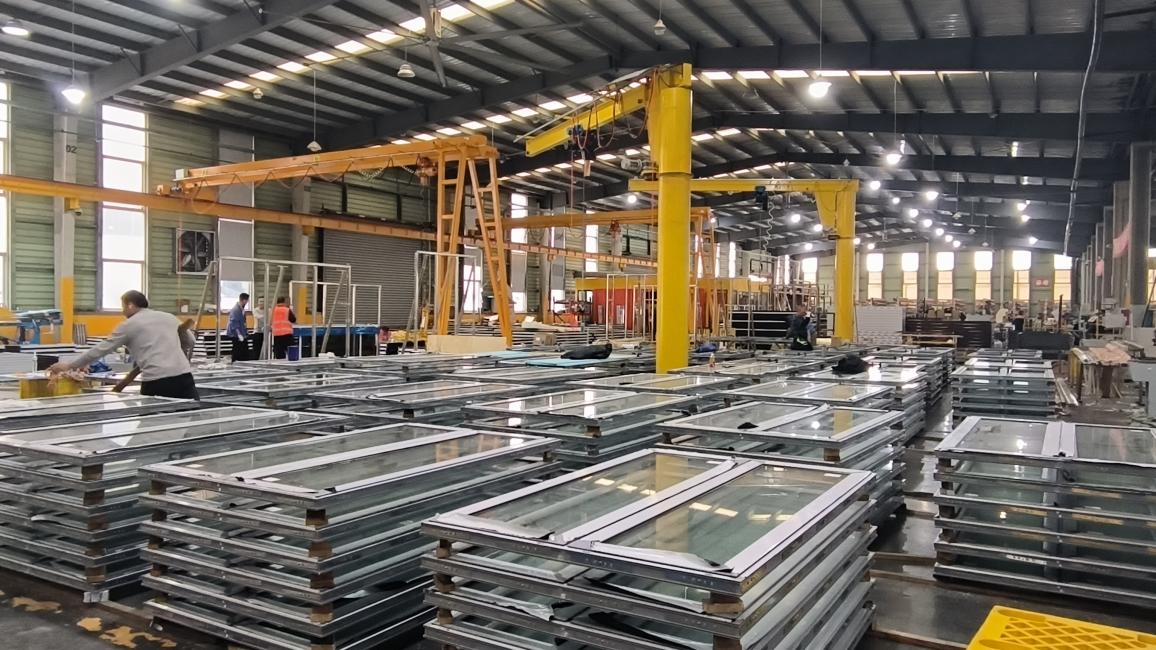
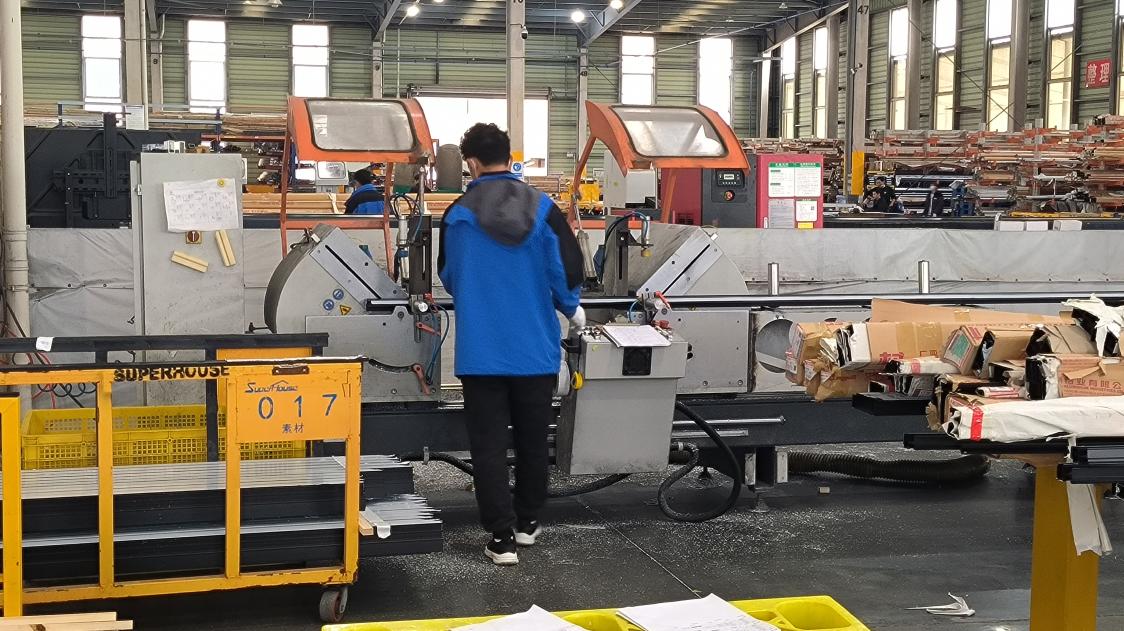
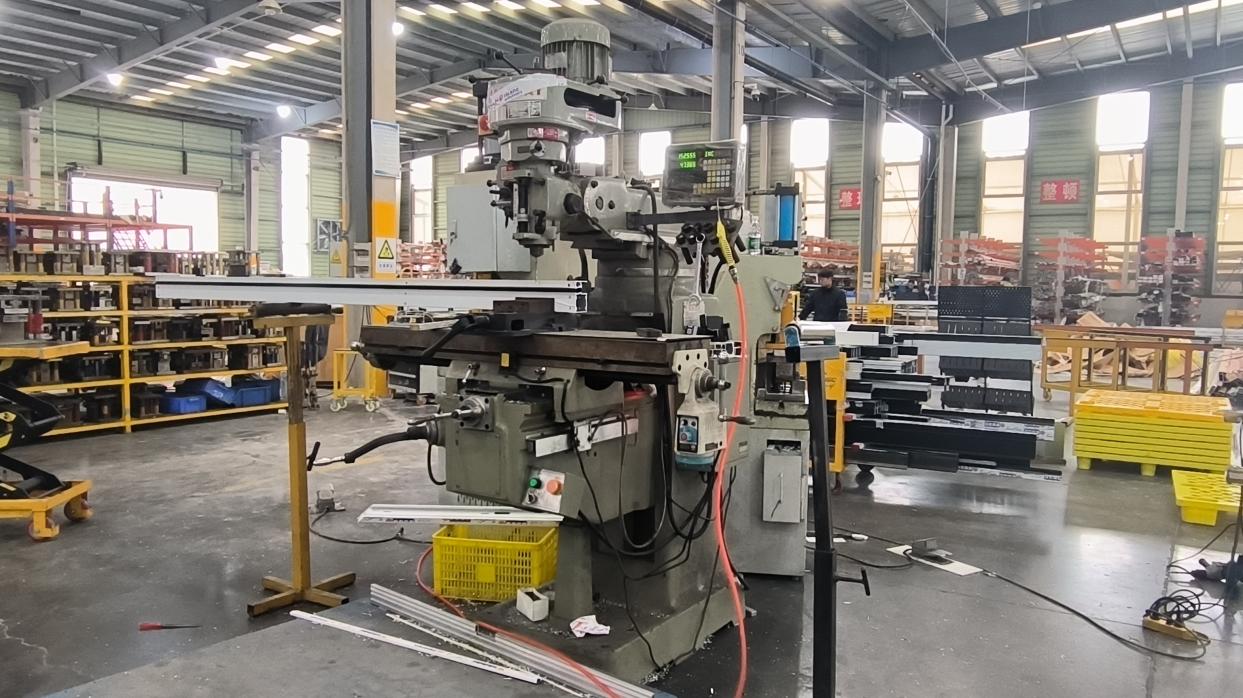
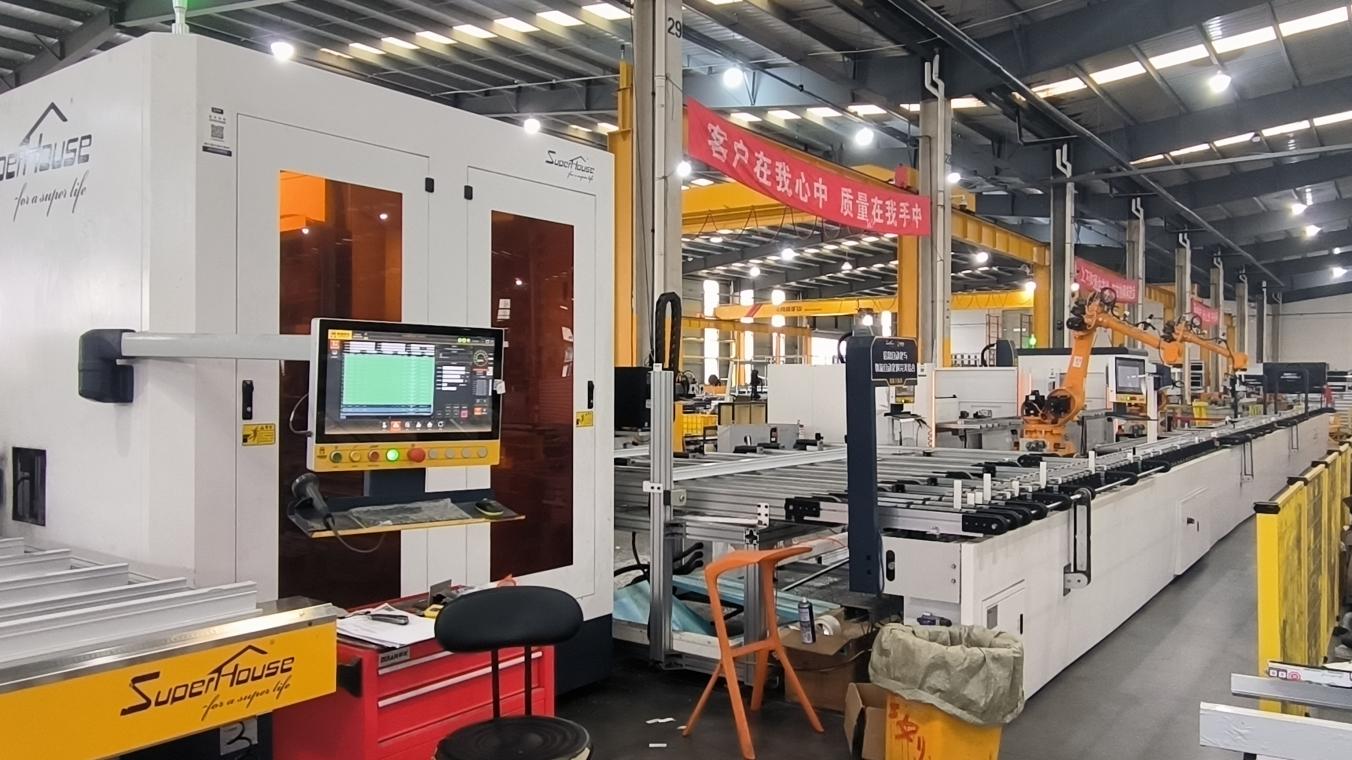
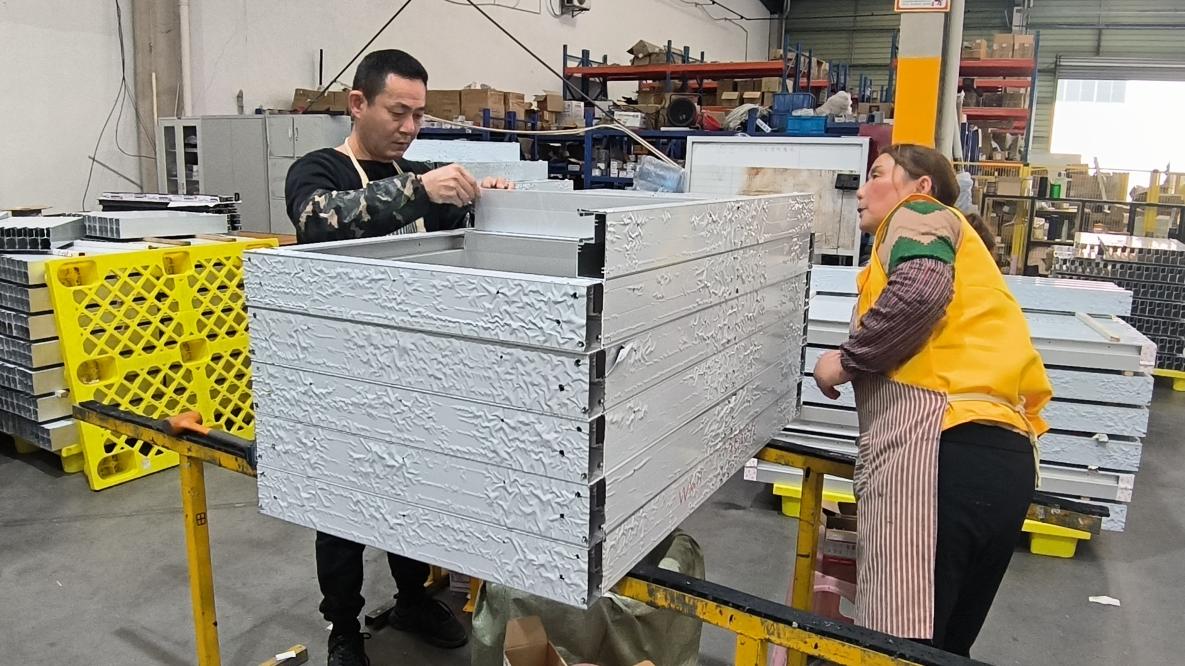
To deliver uncompromising quality, tight dimensional tolerances (±0.5mm), and exceptional structural finishes, our 35,000 m² plant operates a fully digitized, automated production workflow illustrated below:
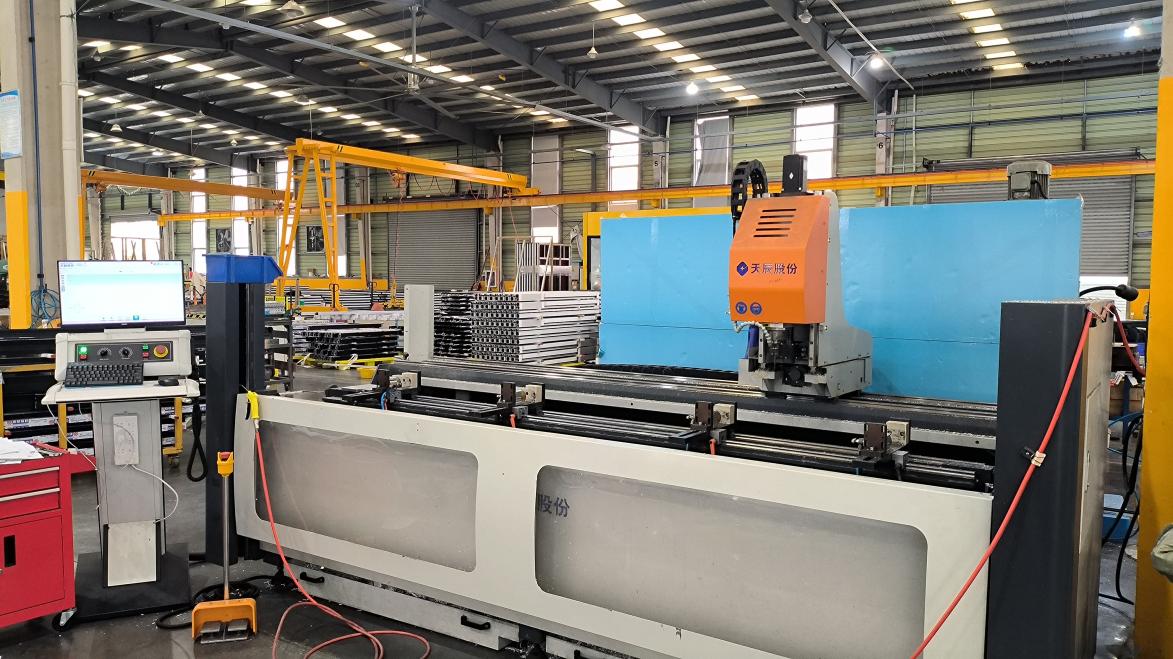
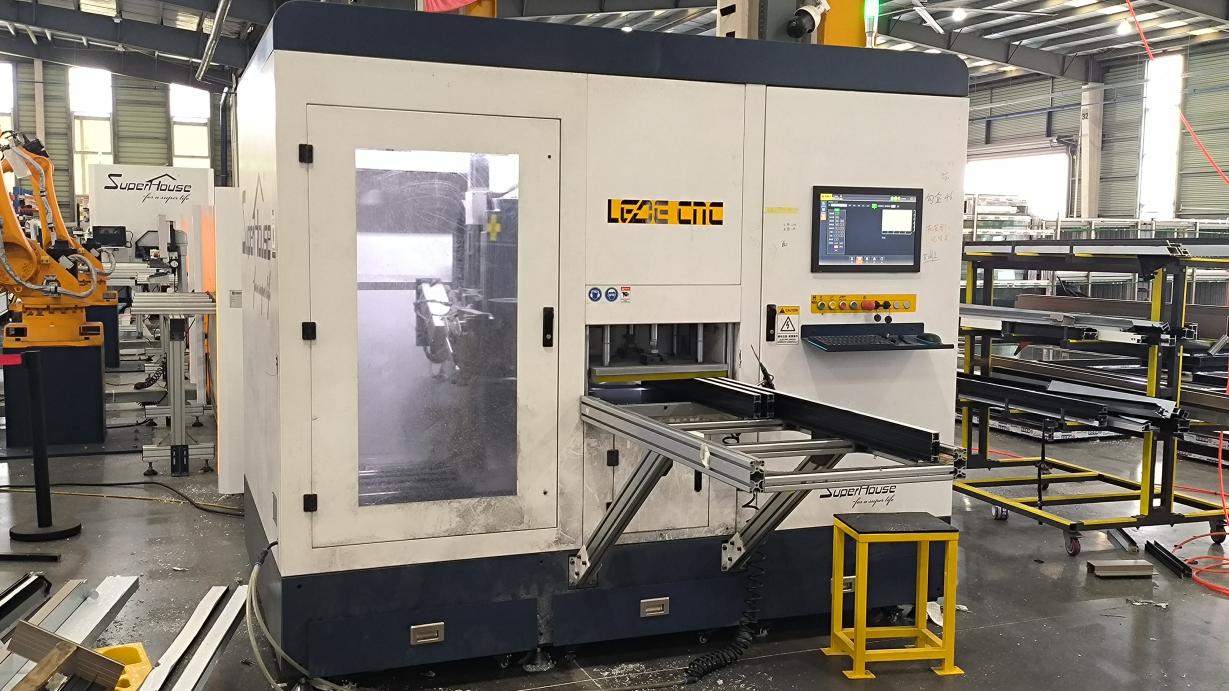
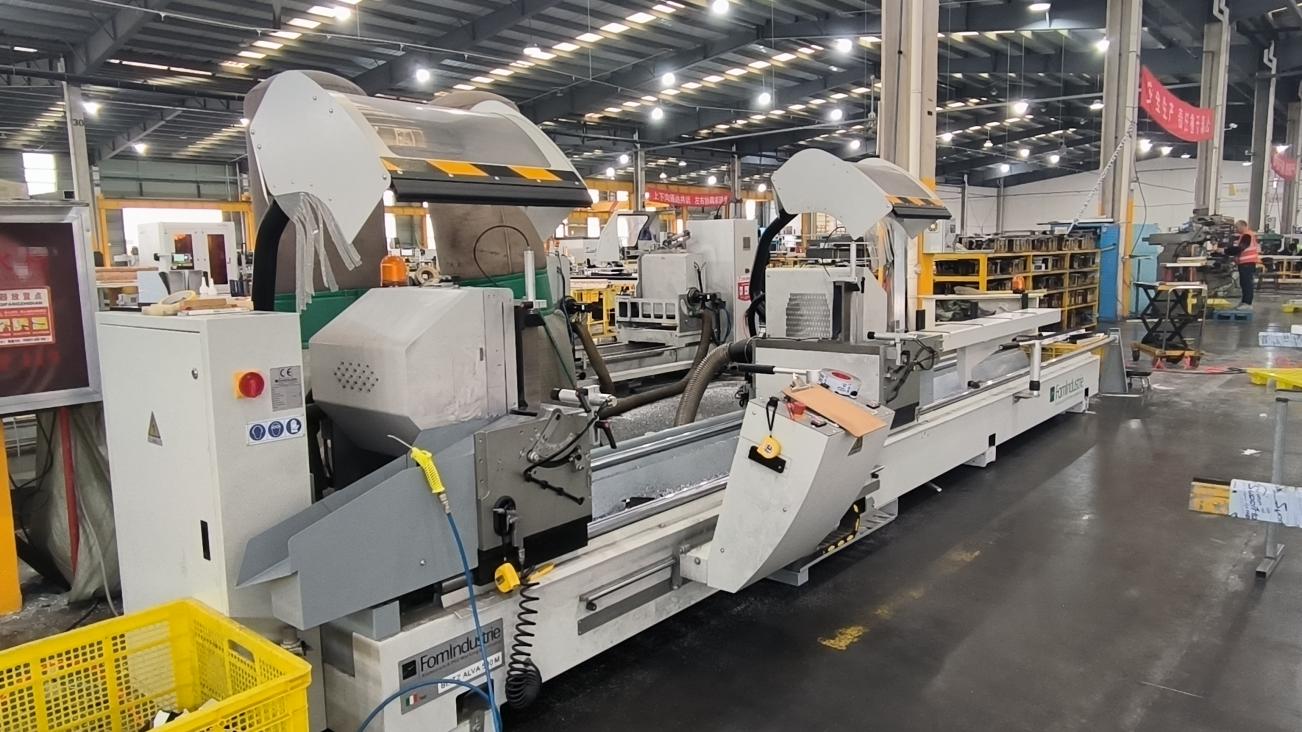
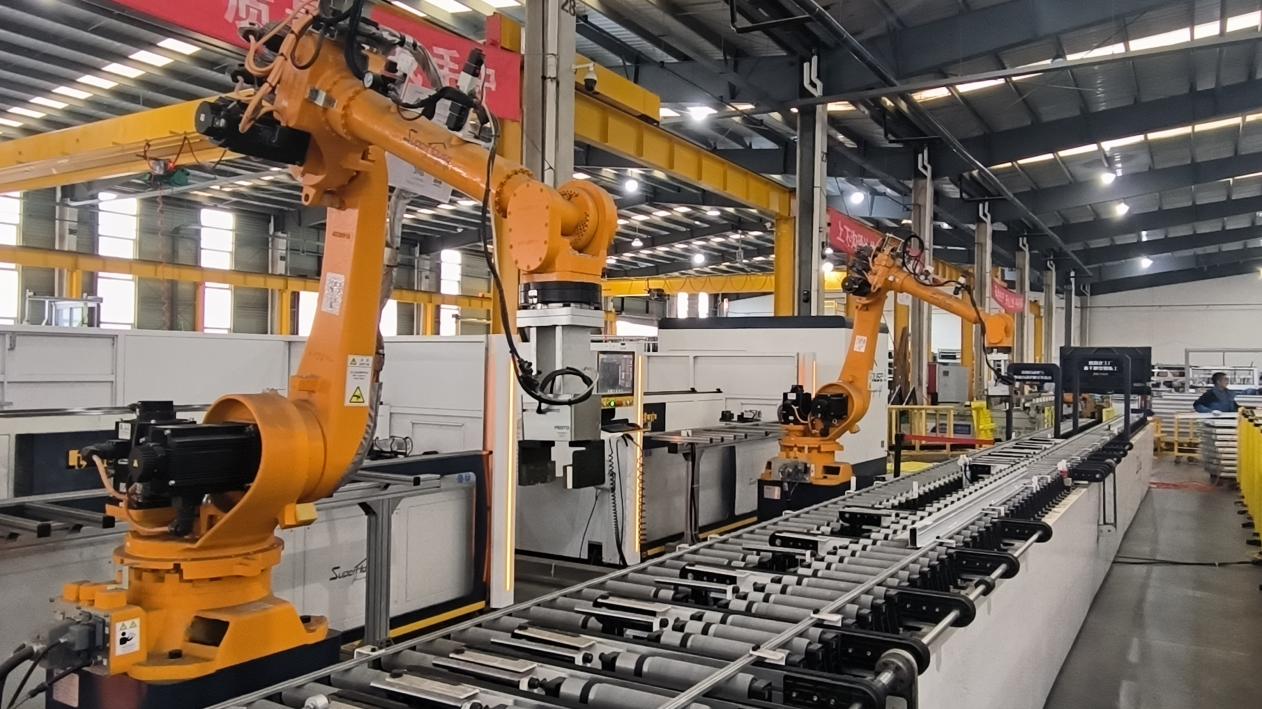
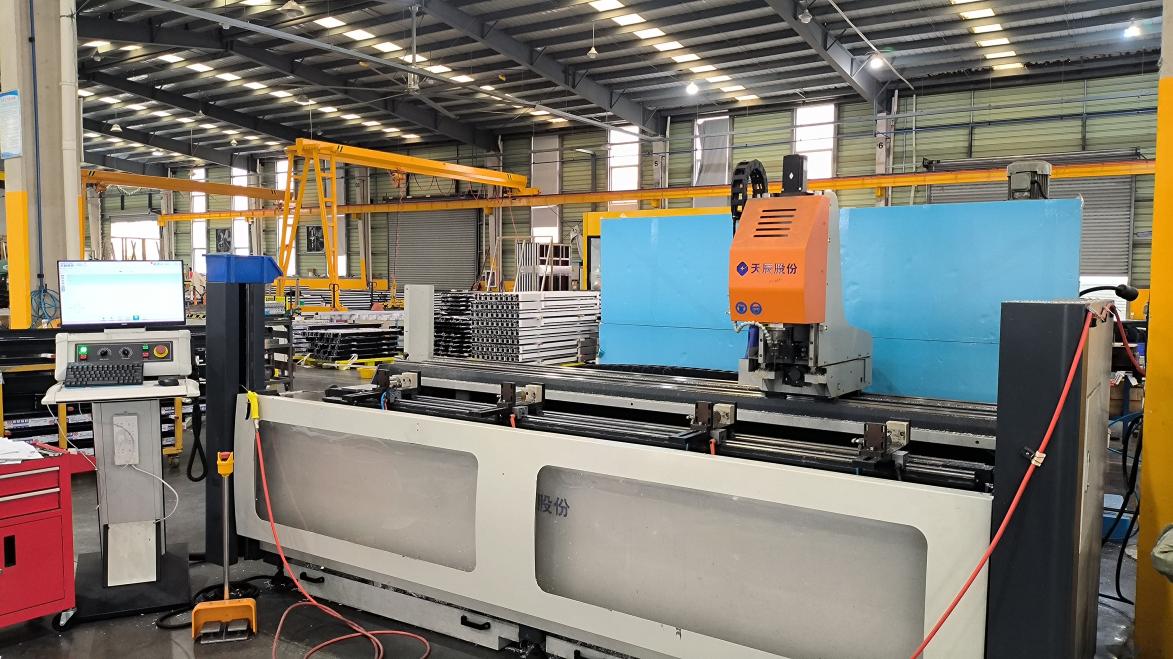
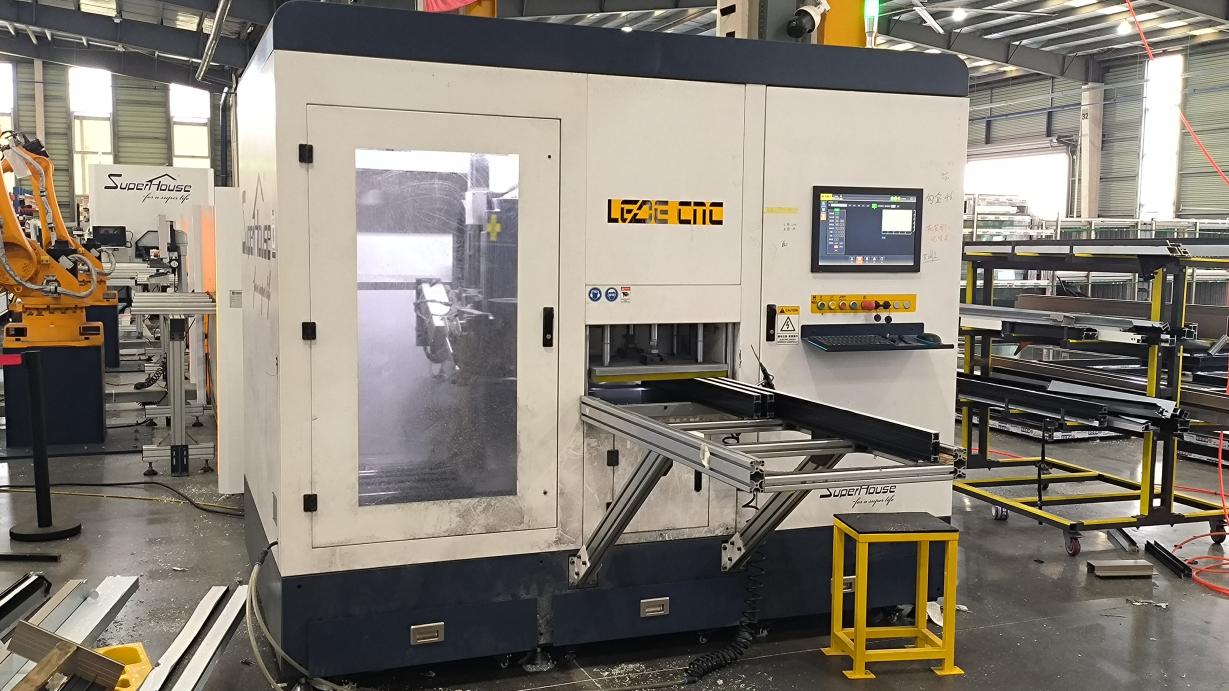
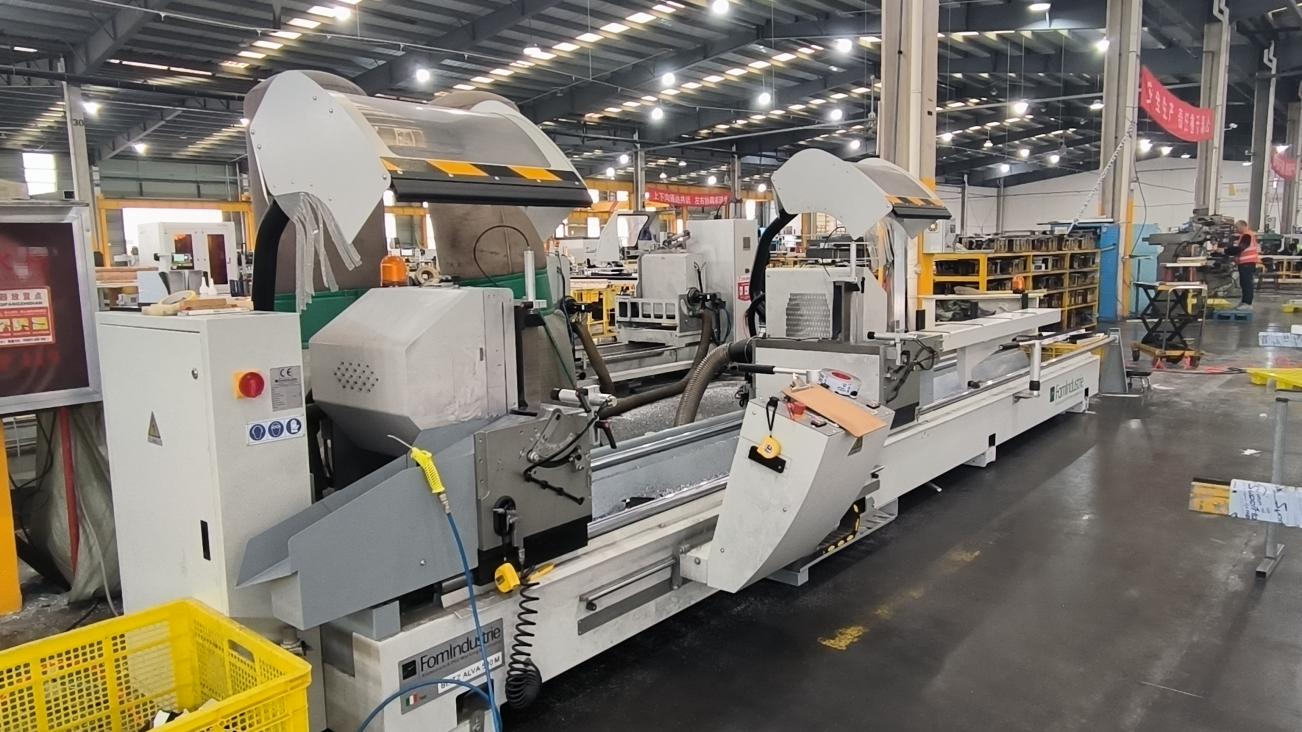
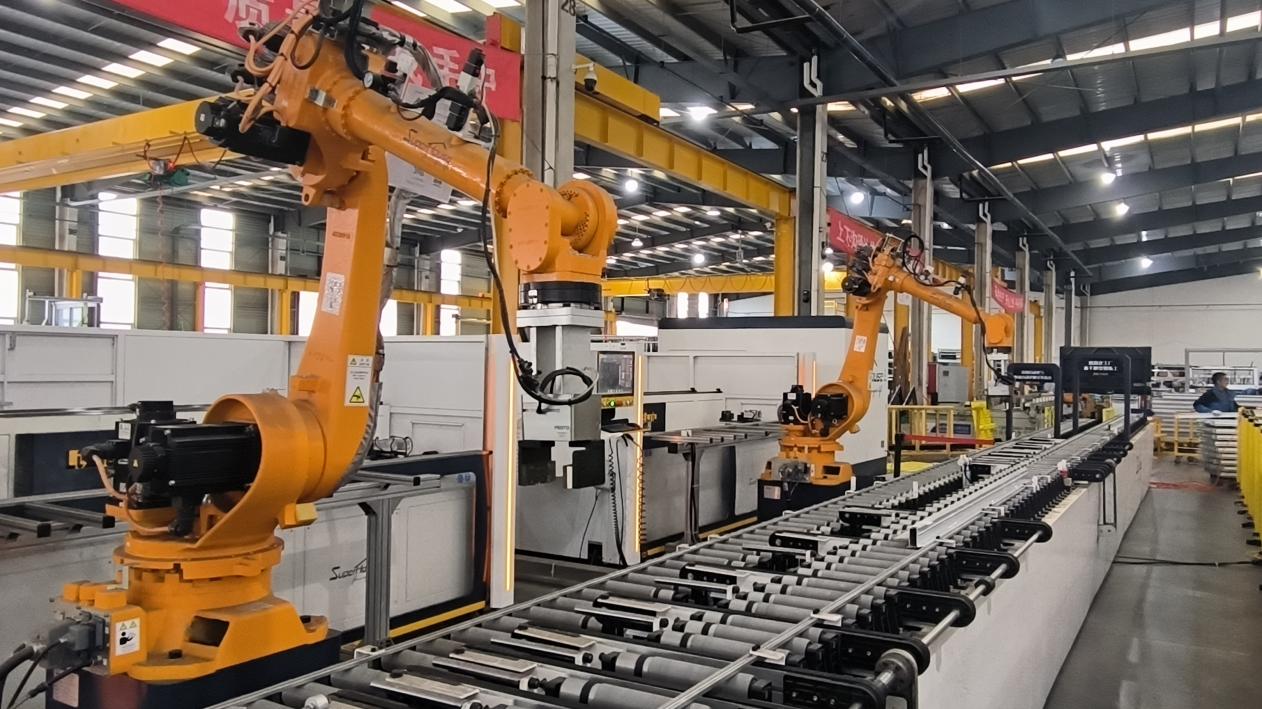
China accounts for over 50% of the world's primary aluminum production and extruded profile processing. Partnering with a vertically integrated Chinese manufacturer like Grandex provides global distributors and commercial contractors with a decisive competitive edge:
Navigating global building codes requires comprehensive understanding of regional performance mandates. Grandex slim profile casement systems are engineered and pre-tested to meet and exceed international building codes across major markets:
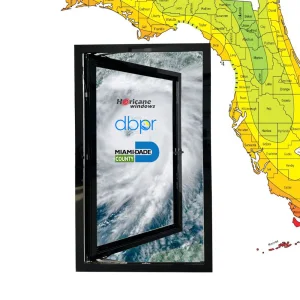
Certifications: NFRC, AAMA 101, Miami-Dade NOA, Florida Building Code (FBC).
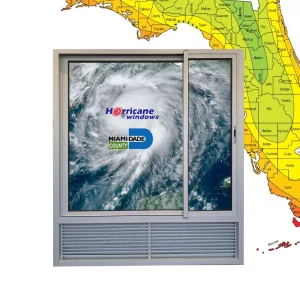
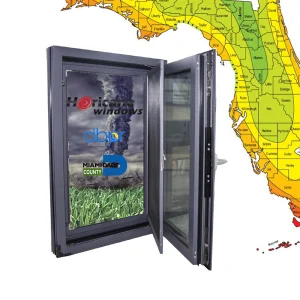
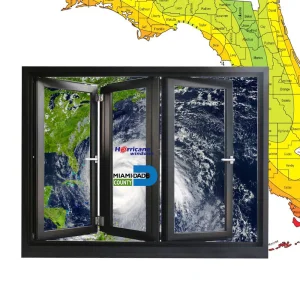
Fenestration installed in coastal high-velocity hurricane zones (HVHZ) must pass missile impact tests (TAS 201/203). Grandex hurricane impact casements feature SGP laminated safety glass that withstands direct impact from windborne debris traveling at 50 ft/s, accompanied by positive/negative cyclic pressure testing up to +70/-70 psf.
Certifications: CE Marking, EN 14351-1, Passive House Institute (PHI).
European envelope design prioritizes thermal efficiency and airtightness. Grandex triple-pane thermal break casements achieve U-values low enough for Passive House compliance (< 0.8 W/m²K), utilizing multi-point locking gear systems engineered for zero-draft seals.
Certifications: AS2047, AS1288, WERS Energy Ratings.
Australian standards mandate rigorous deflection, air infiltration, water penetration resistance (typically 450Pa to 600Pa), and structural pressure capacity. Products undergo rigorous NATA-accredited laboratory testing prior to deployment.
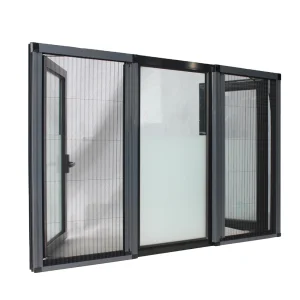
1. Ultra-Modern Luxury Residential Villas: Minimalist slim casement windows provide sleek, floor-to-ceiling glass elevations with concealed hinges, creating fluid visual continuity between indoor living rooms and surrounding landscape environments.
2. High-Rise Commercial & Hospitality: Hotel guestroom installations require high Sound Transmission Class (STC 40+) to insulate occupants from urban ambient traffic noise while providing robust water barrier performance during intense rainstorms.
3. Institutional & Passive Educational Buildings: High-performance dual-action tilt-turn casement windows offer micro-ventilation in tilt mode and easy cleaning access in full swing mode, reducing HVAC energy consumption by up to 35% annually.
For large-scale real estate developers, facade sub-contractors, and building material distributors, procuring architectural windows globally involves managing quality control risks, international logistics, and compliance verification. Below is the recommended procurement framework when partnering with Grandex:
Insist on mill test certificates (MTC) verifying that all frame profiles utilize 6063-T6 architectural grade aluminum alloy. Ensure profile wall thicknesses comply with structural standards (minimum 1.4mm for windows, 2.0mm for doors/heavy commercial casements). Surface finishes—whether Fluorocarbon PVDF coating, Qualicoat-certified powder coating, or Anodizing—must undergo salt-spray corrosion testing (ASTM B117) exceeding 2,000 hours.
Grandex's 45-person QA department enforces strict Quality Control gates across the assembly process:
 Grandex Door