Engineered for extreme structural integrity, thermal efficiency, and hurricane impact compliance across global markets.
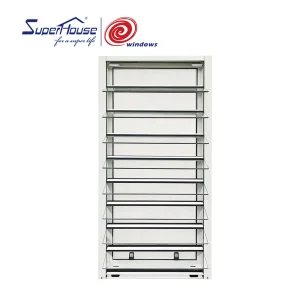
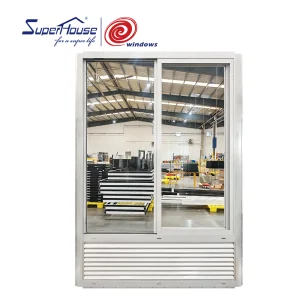
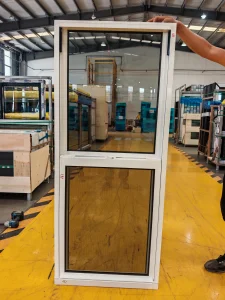
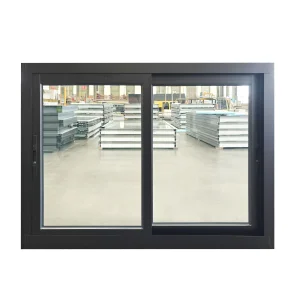
An authoritative analysis of structural shifts, energy mandates, and architectural demands driving modern aluminum window manufacturing.
The global construction sector is undergoing a profound paradigm shift towards net-zero operational carbon. Modern architectural specifications mandate aluminum fenestration systems equipped with multi-cavity thermal break technologies. Utilizing Polyamide PA66 reinforced with 25% glass fiber, top-tier aluminum window manufacturers isolate external heat transfer, achieving U-factors below 0.20 BTU/h·ft²·°F. This drastically reduces HVAC loads in commercial and high-density residential structures.
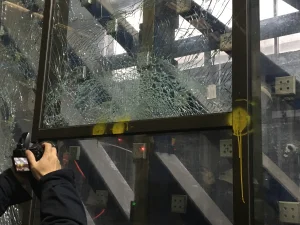
Increasing environmental volatility has heightened global demand for Notice of Acceptance (NOA) and Florida Product Approval certified windows. High-tier factories integrate heavy-gauge 6063-T6 aluminum extrusions paired with laminated impact glass (PVB/SGP interlayers). These systems withstand cyclic wind pressure forces exceeding ±100 PSF and severe projectile impacts without structural failure or air-water infiltration.
Contemporary architectural design demands maximum natural daylighting and unobstructed views. Advanced precision milling allows manufacturers to engineer minimalist frame profiles capable of supporting large-format, double- and triple-glazed units. Anodized, PVDF, and fluorocarbon surface treatments guarantee resistance against UV degradation, salt spray corrosion, and micro-cracking in severe coastal climates.
Windows and exterior fenestration systems are no longer static envelope elements. Industrial manufacturing now incorporates motorized actuators, integrated micro-blinds, electronic locking mechanisms, and sensor arrays compatible with IoT Building Management Systems (BMS). This allows optimized passive ventilation, dynamic solar heat gain coefficient (SHGC) control, and automated security monitoring.
Combining 16 years of industry experience with digitalized manufacturing workflows to serve Tier-1 developers, commercial contractors, and international distributors.
Corporate Background & Operational Scale: Established in 2014, Grandex Door Solutions Co., Ltd. operates from a state-of-the-art 35,000 m² automated manufacturing hub. Backed by 16 years of profound industry expertise and 8 years of specialized international export infrastructure, Grandex generates an annual export volume reaching USD 28 million. Operating as a trusted OEM and ODM strategic partner, our supply network spans over 1,200 commercial entities across North America, Western Europe, and Oceania.
Quality control is embedded into every stage of production. A dedicated team of 45 full-time QA/QC inspectors executes ISO 9001:2015 certified internal procedures. Every batch undergoes systematic raw material spectro-analysis, corner weld/crimp torque testing, hydrostatic pressure chamber evaluations, and hardware fatigue cycles prior to dispatch.
Our operational core is driven by a elite R&D division comprising 85 specialized structural and thermal engineers. In the past fiscal year alone, Grandex commercialized 120 custom architectural designs, providing customized solutions for complex geometric curtain walls, thermal-break sliding doors, and ultra-quiet tilt-and-turn window assemblies.
All fenestration systems are manufactured to satisfy or exceed international building codes. Products are fully verified by accredited third-party laboratories, achieving NFRC, Florida NOA, Intertek, AS2047, and CE certification standards, ensuring effortless code approval for enterprise project sites.
A transparent showcase of our automated CNC machining lines, material verification, and performance testing facilities.
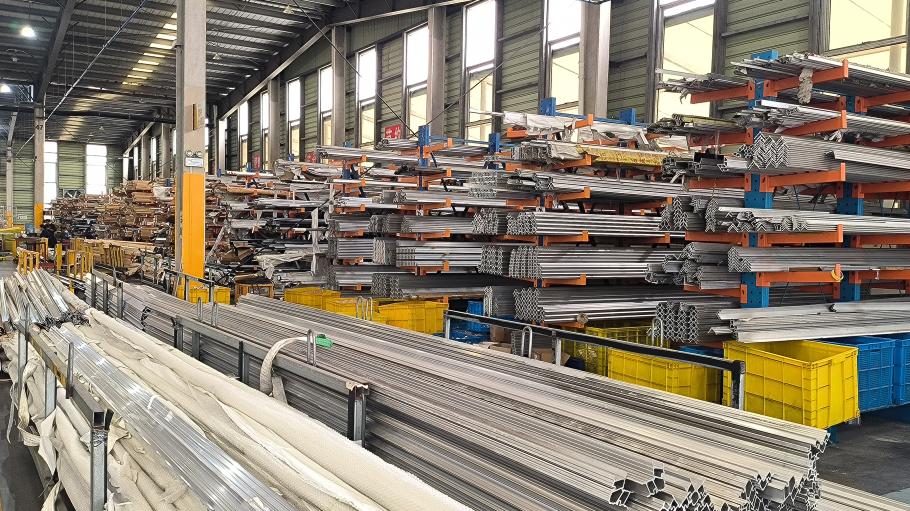
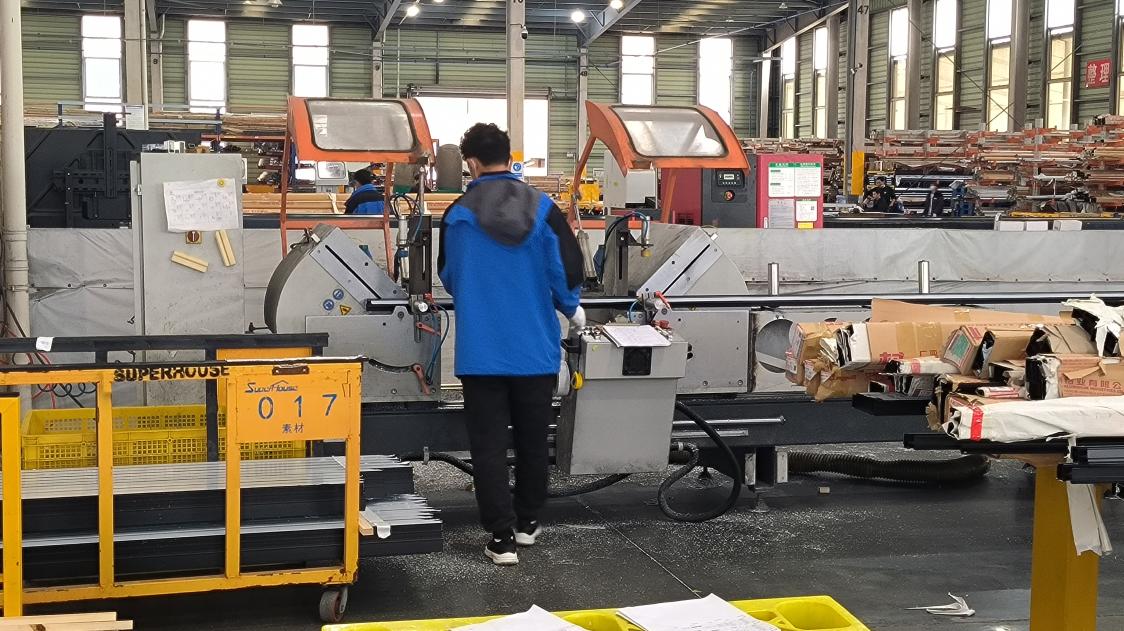
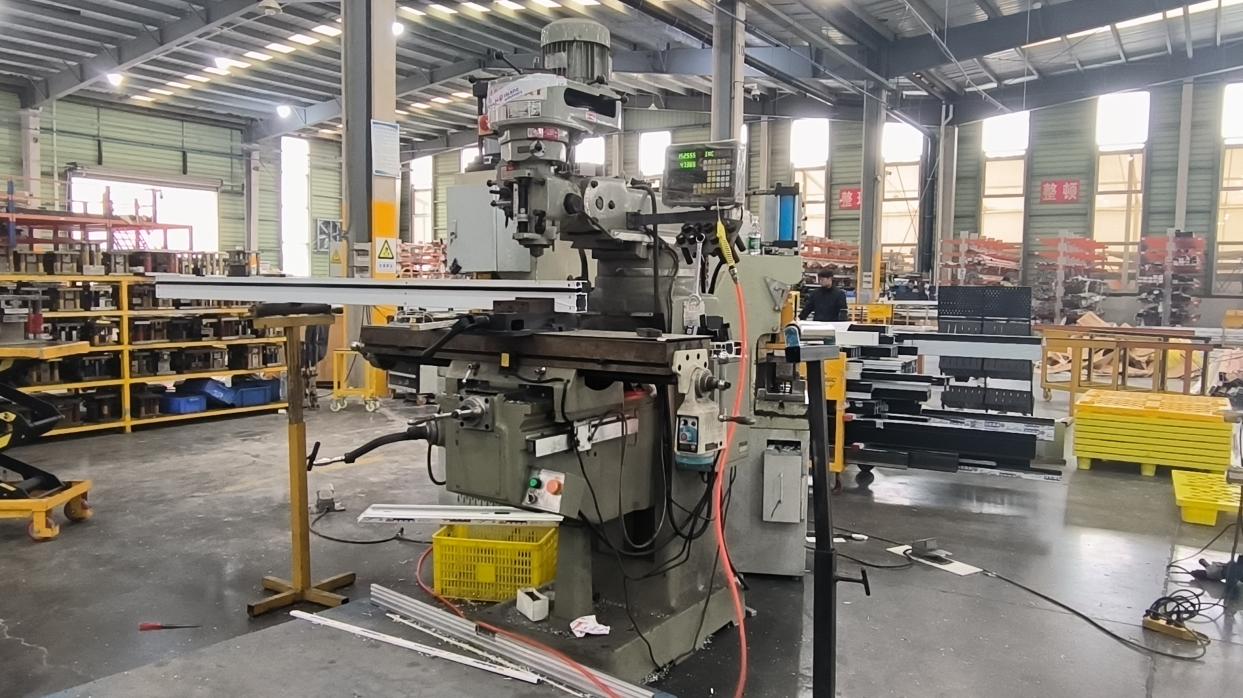
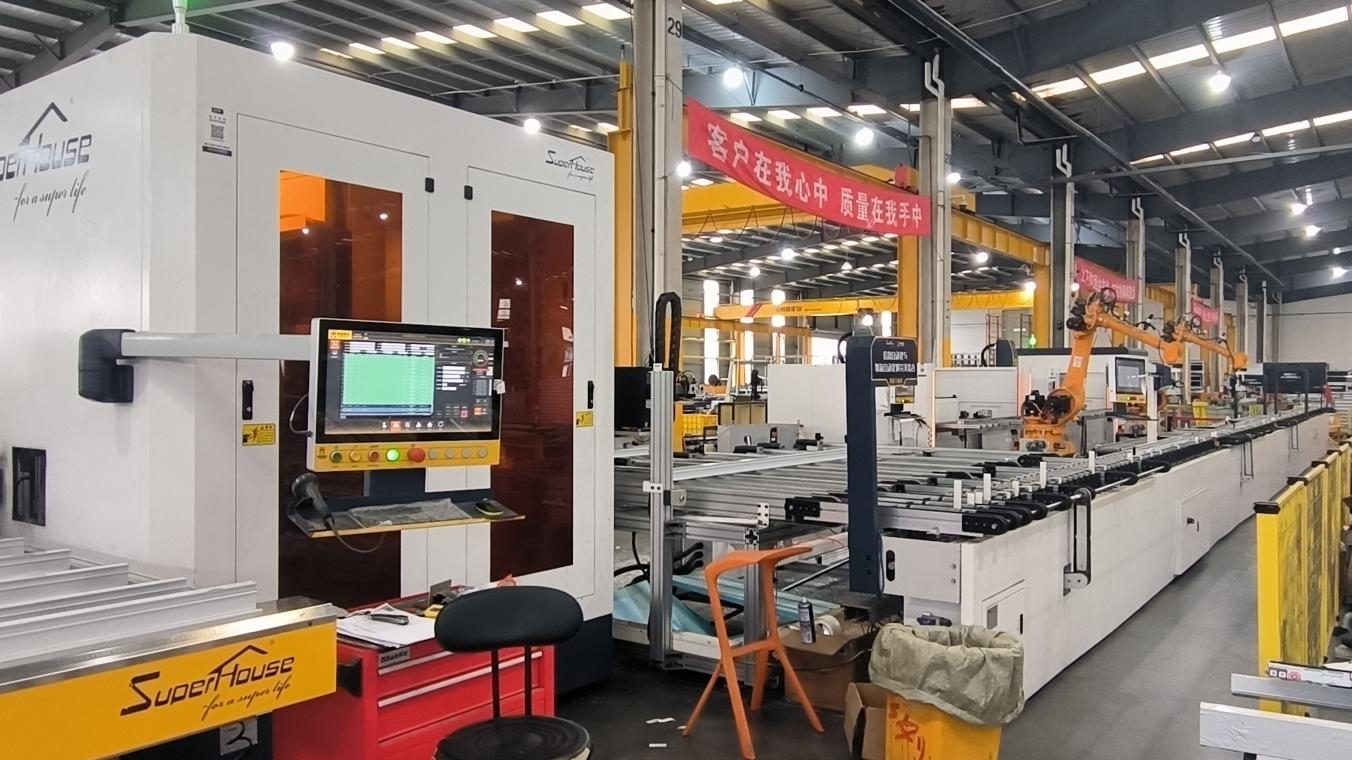
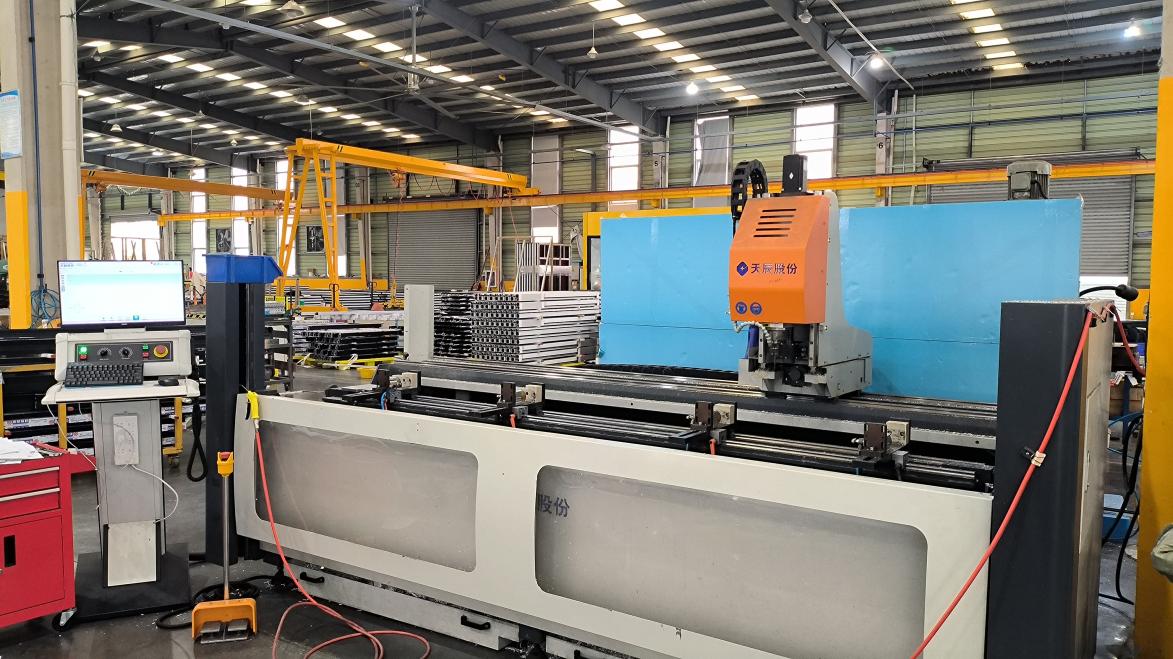
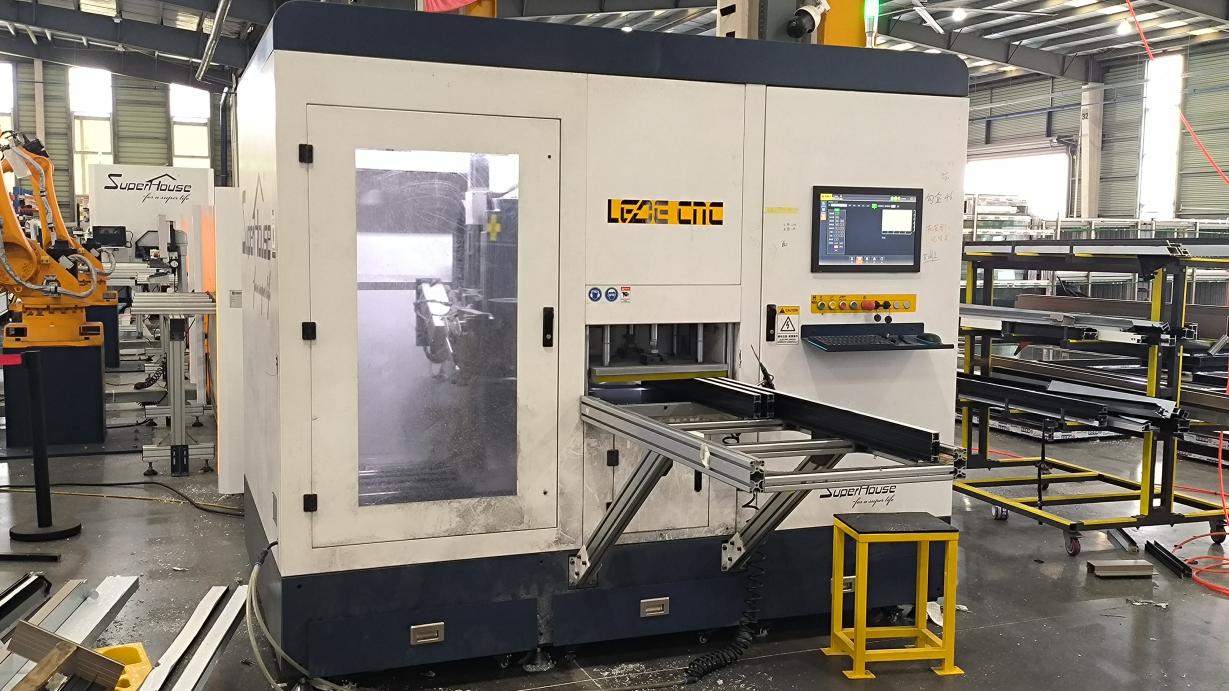
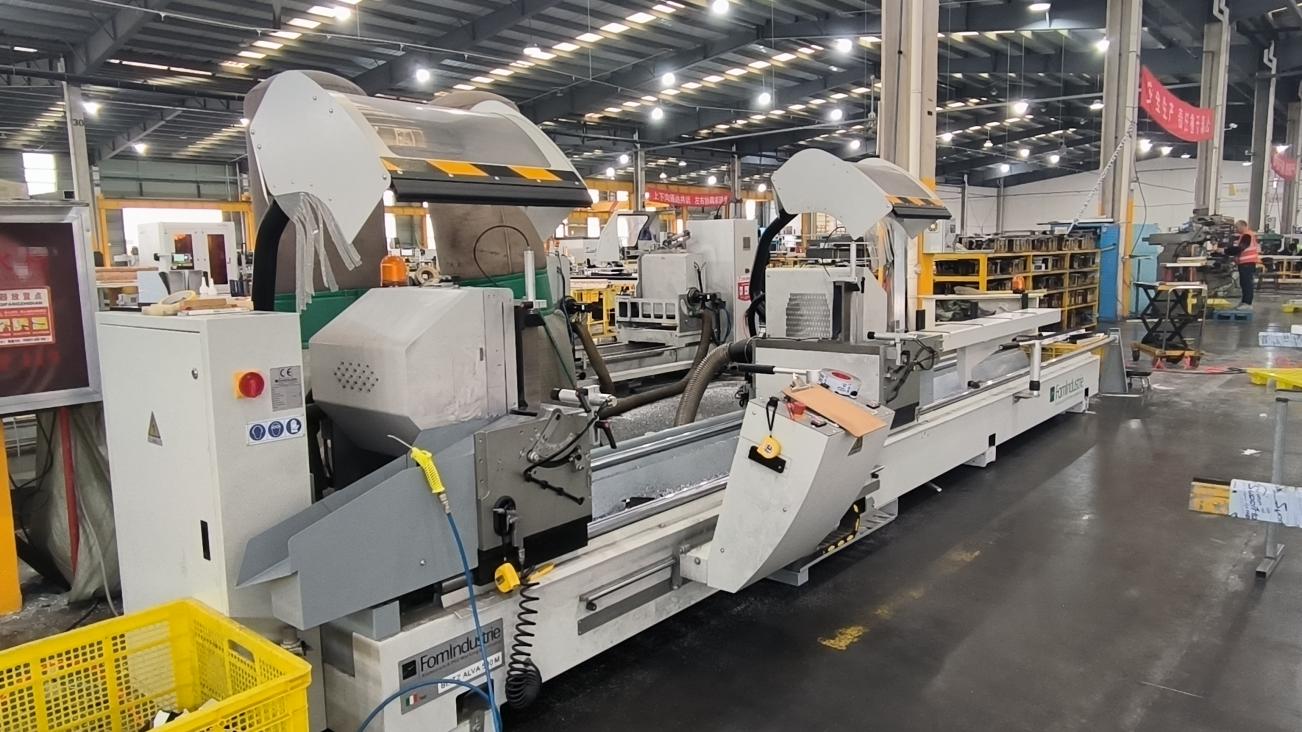
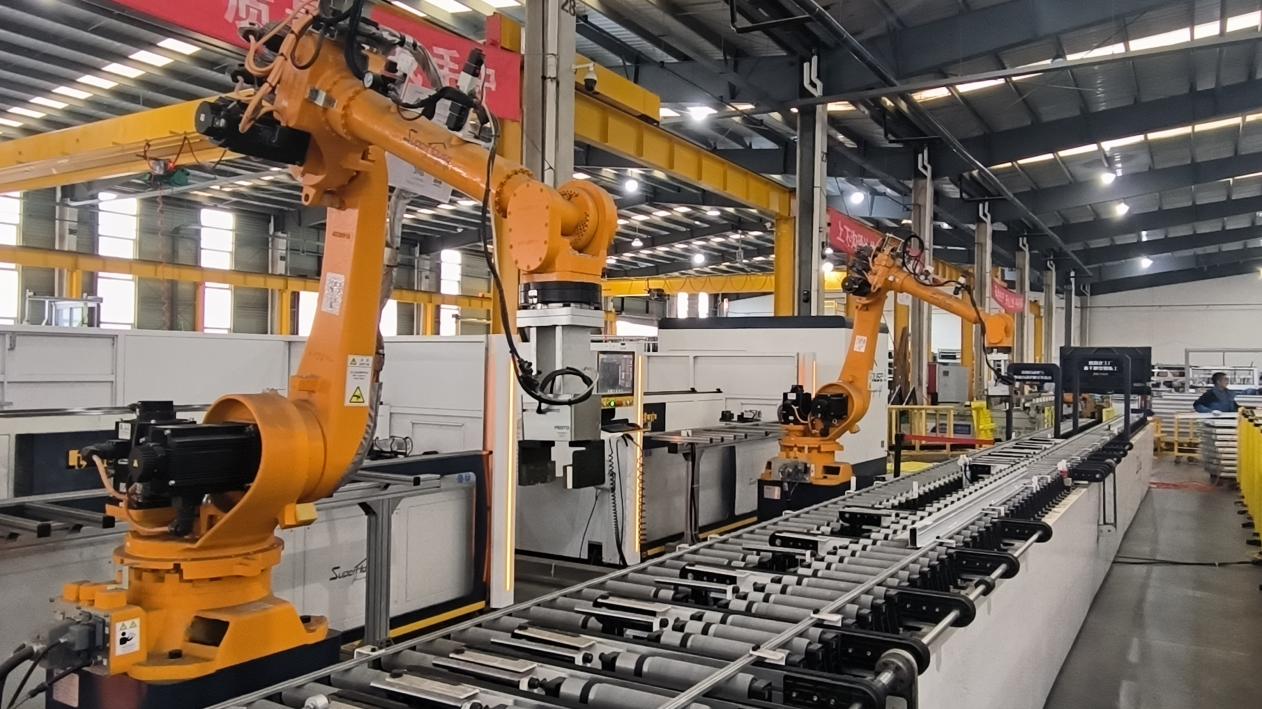
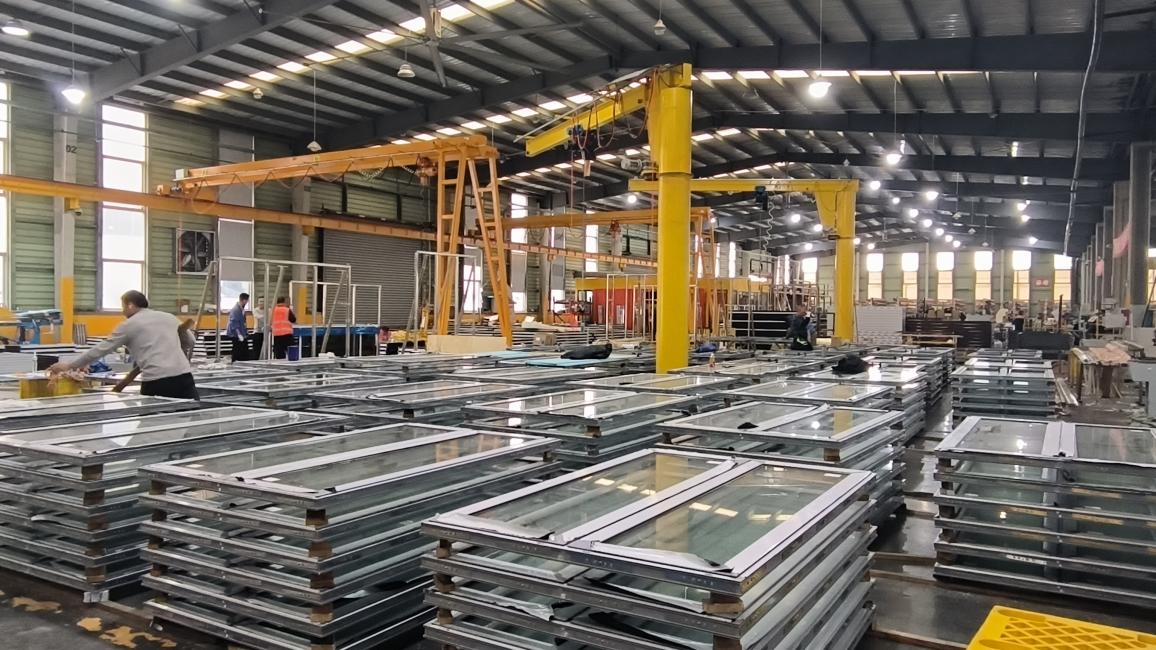
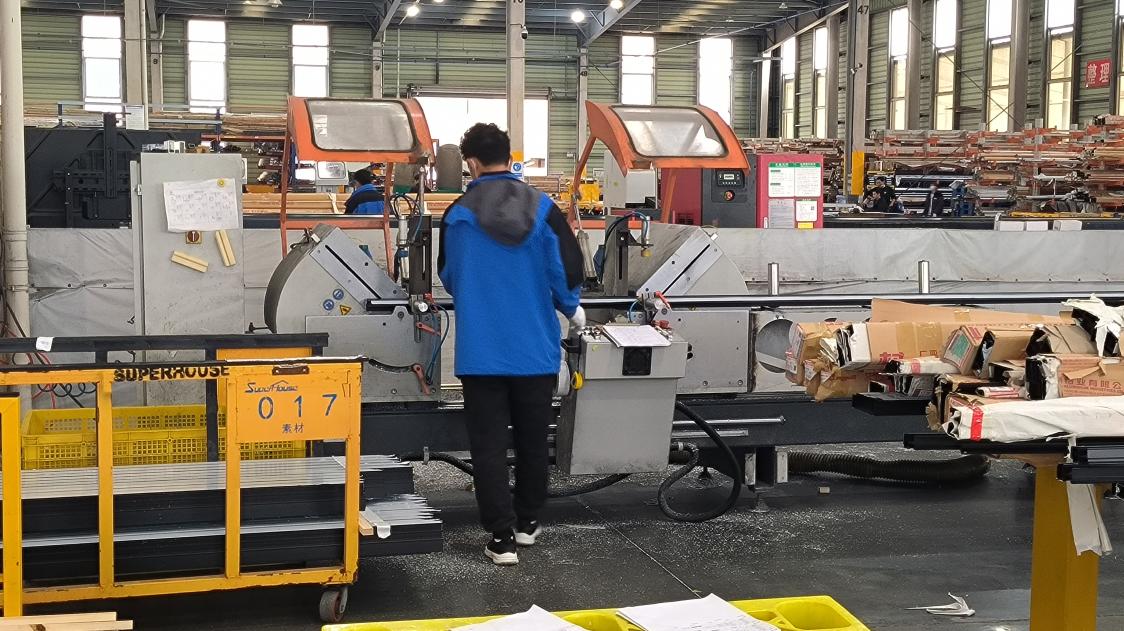
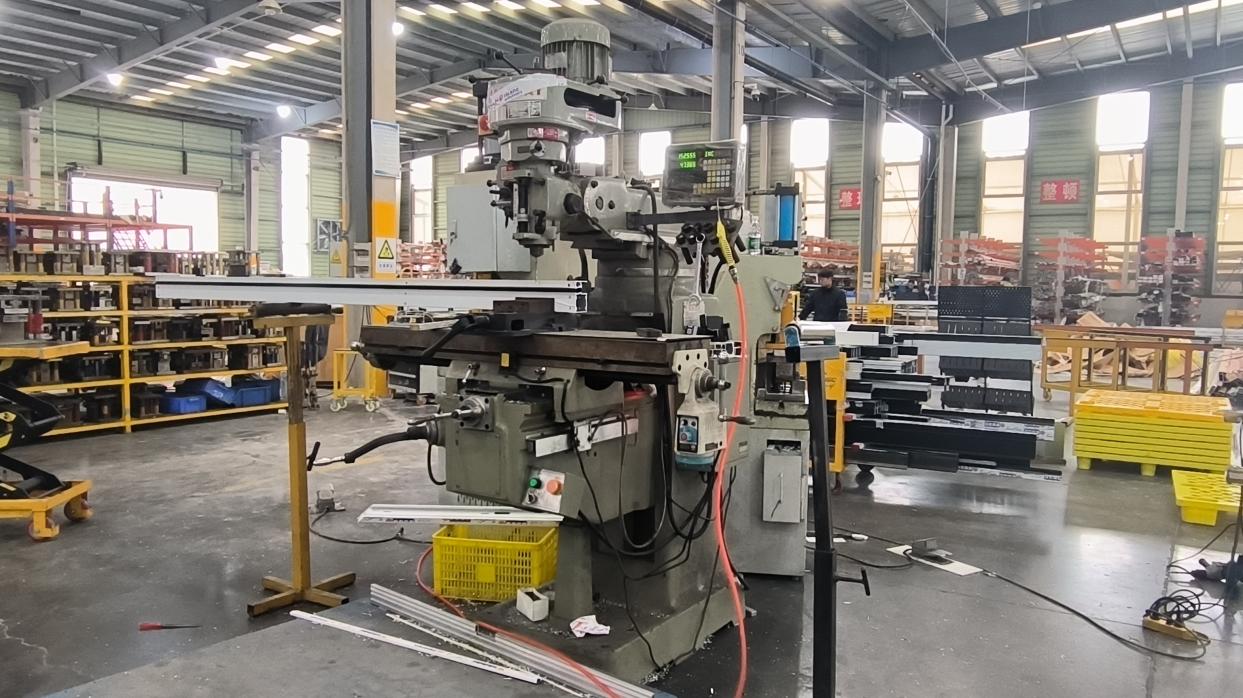
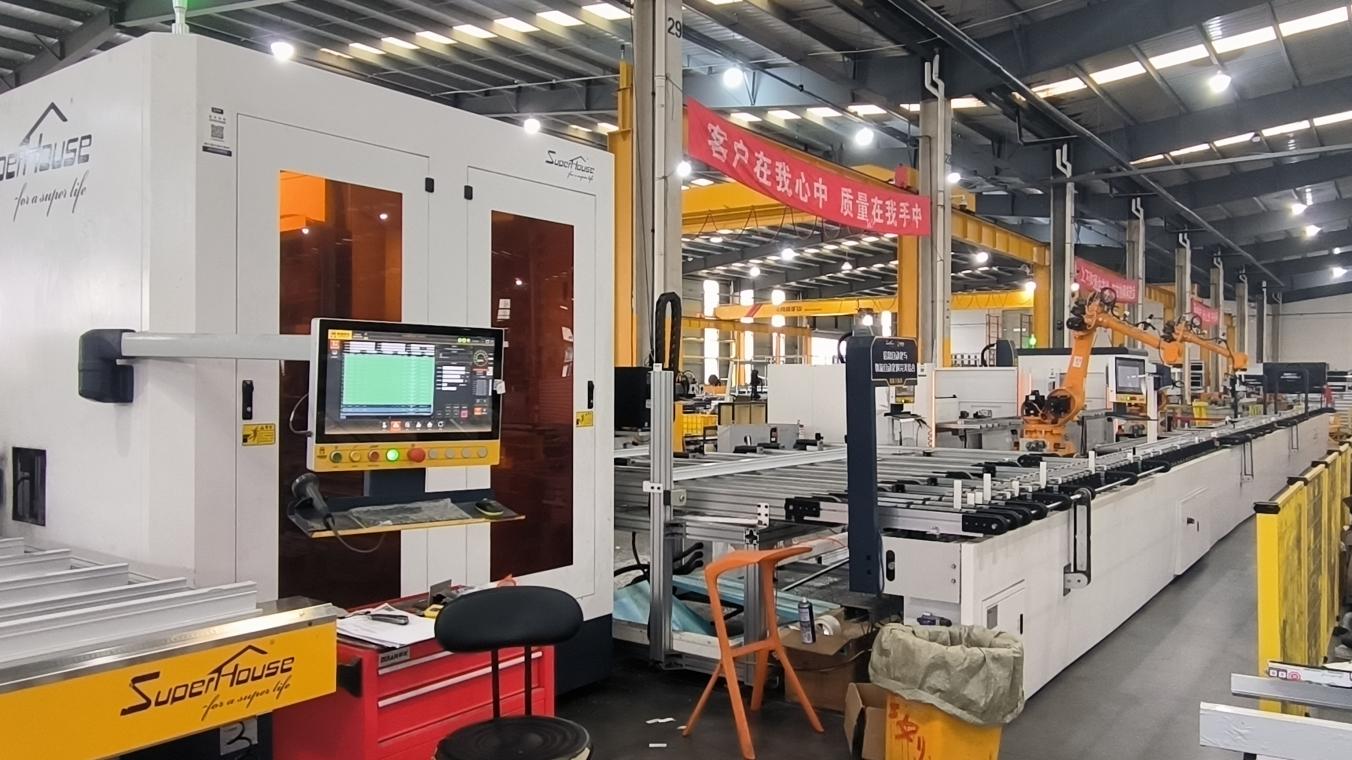
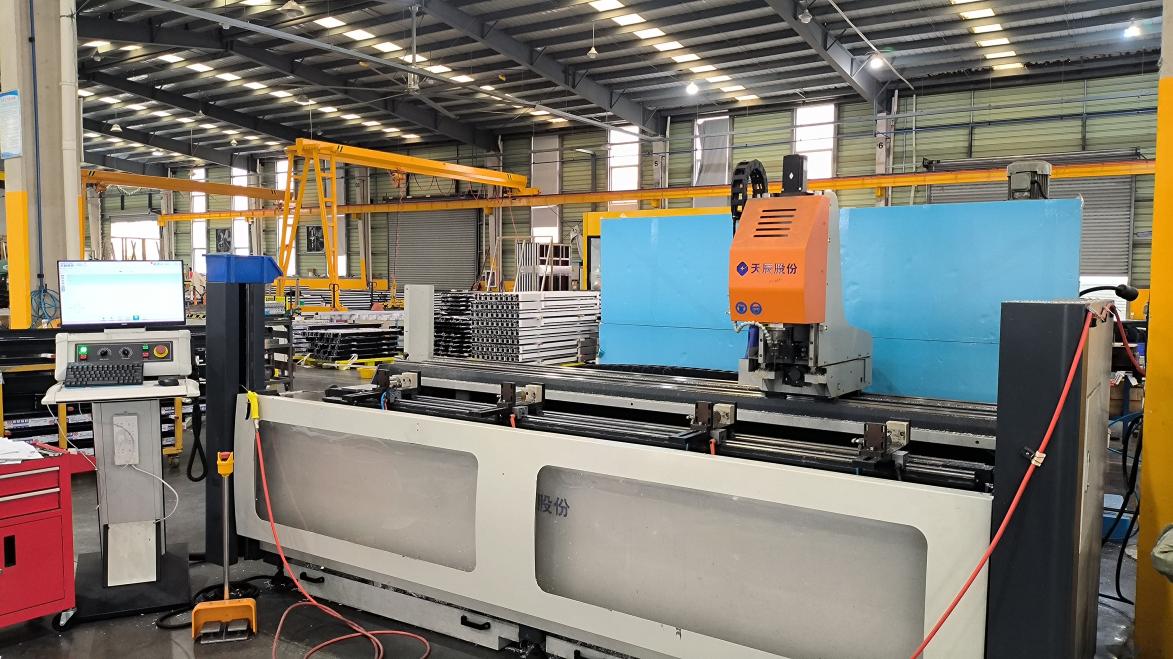
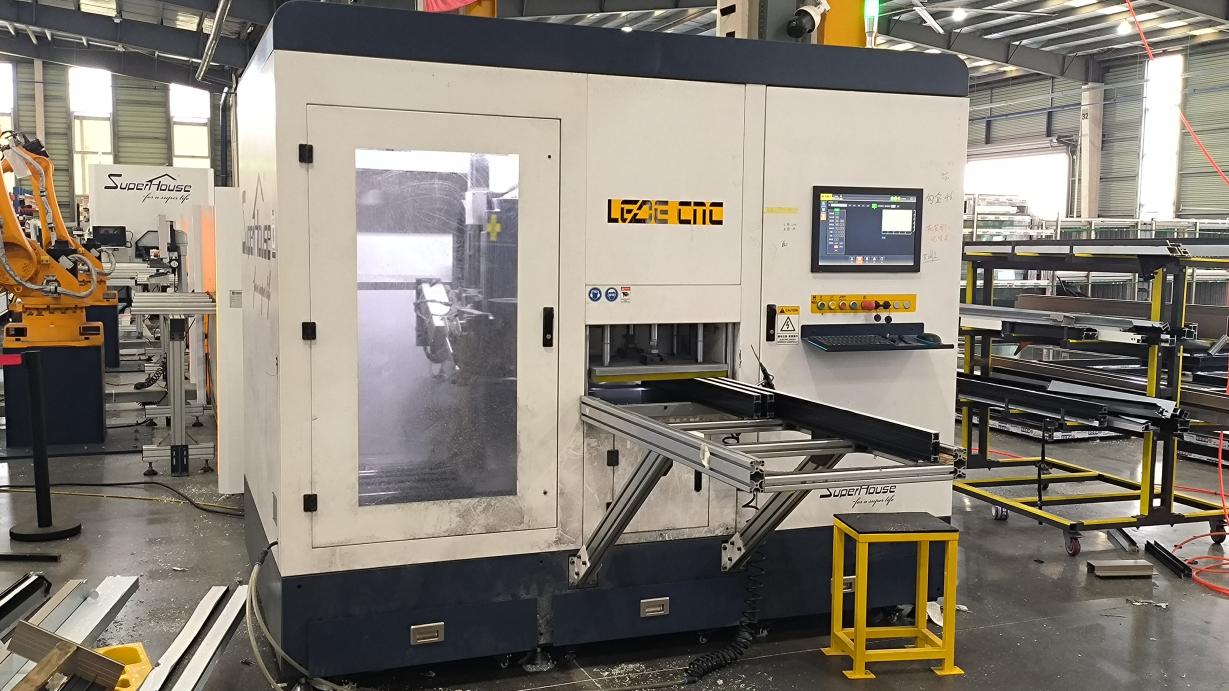
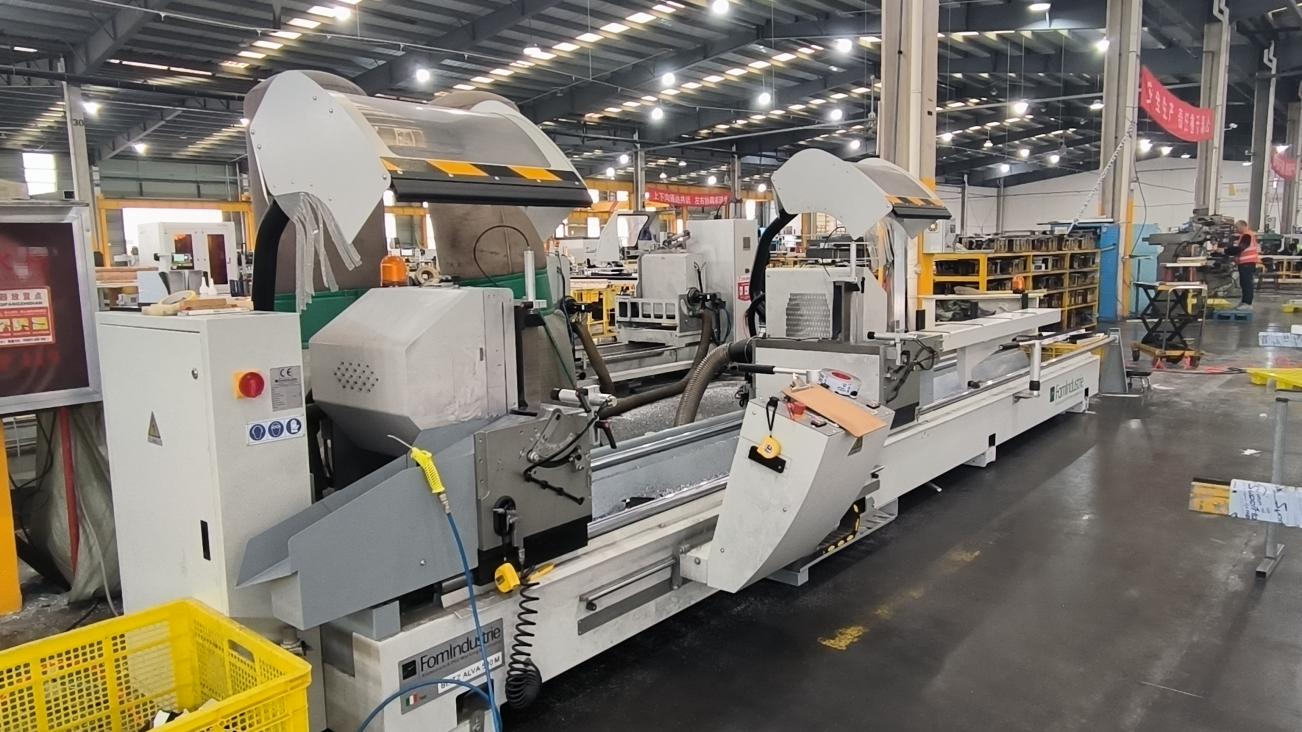
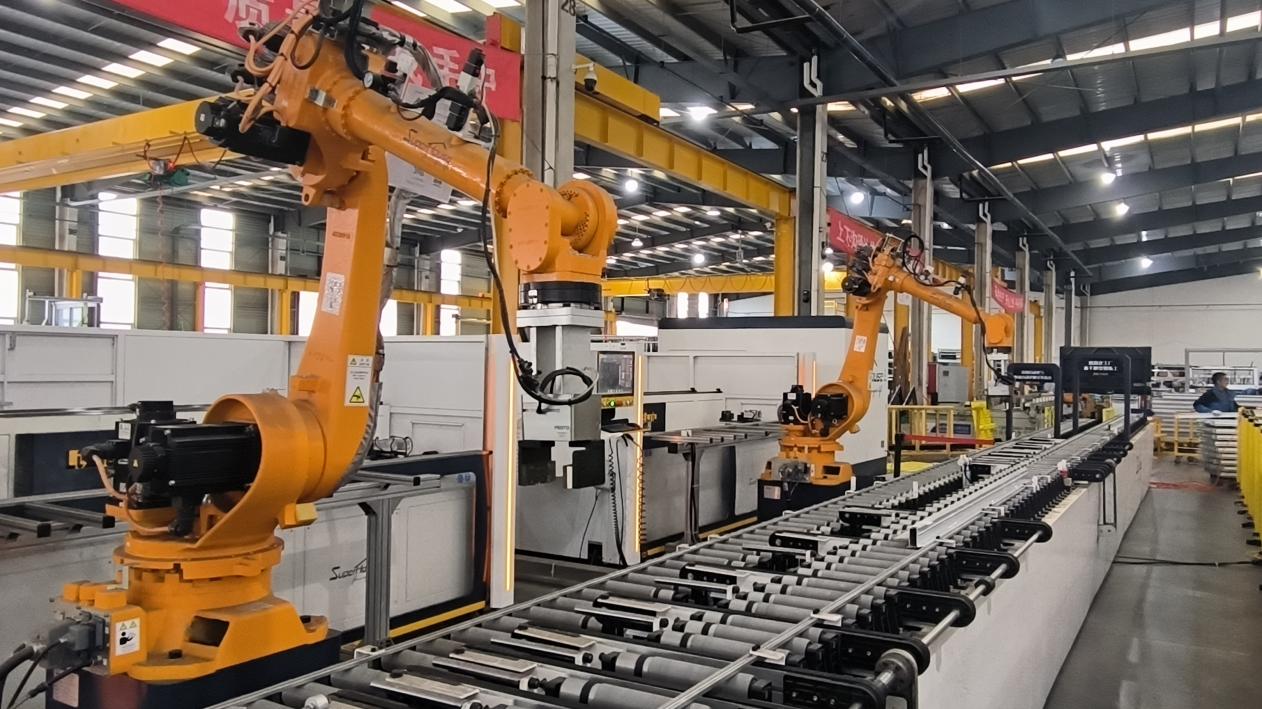
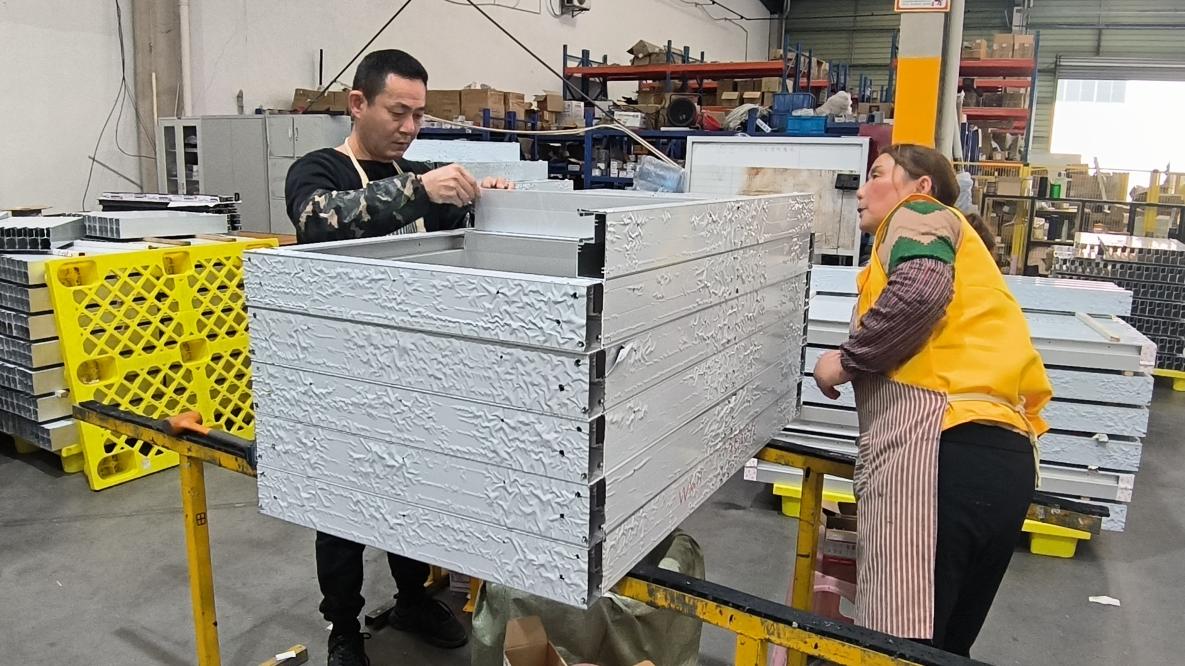
Dimensional tolerance verification (±0.5mm), profile wall thickness measurement, and surface finish defect analysis prior to final hardware assembly.
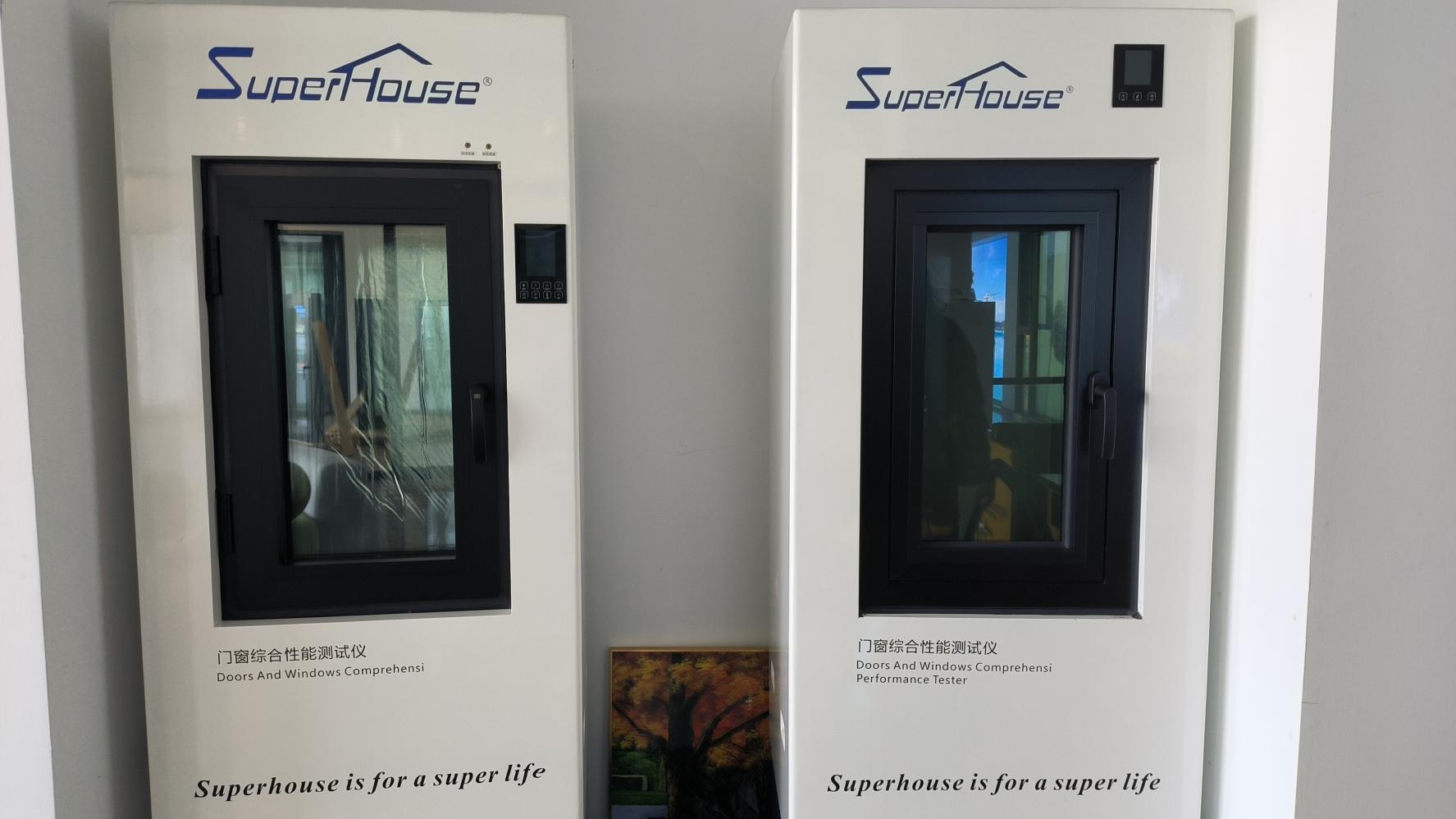
Simulating air infiltration (ASTM E283), water penetration resistance (ASTM E331), and structural load testing (ASTM E330) under extreme differential pressures.
Technical specifications comparison engineered for enterprise global buyers and procurement directors.
| Window System Typology | Target Applications | Thermal / Structural Performance | Hardware & Glass Specs | Compliance & Certifications |
|---|---|---|---|---|
| Thermal Break Casement & Awning | Luxury Residential Villas, High-Rise Apartments | U-Factor: 0.18 - 0.24 Acoustics: STC 38 - 42 dB |
German Siegenia / Hoppe Triple Glazed Low-E Argon |
NFRC, Energy Star, Title 24 |
| Hurricane Impact Sliding Windows | Coastal Hospitality, High-Velocity Zones | Wind Load: ±100 PSF Water Tightness: 750 Pa |
316 Stainless Heavy-Duty Rollers Laminated SGP / PVB Impact Glass |
Florida NOA, TAS 201/202/203 |
| Commercial Storefront & Curtain Wall | Hotels, Office Parks, Retail Centers | Structural: Deflection L/175 Thermal Break: PA66 Strip |
Concealed Door Closers 6mm + 12Ar + 6mm Tempered |
ASTM E330, CE Mark, ISO9001 |
| Architectural Bifold & Pivot Systems | Luxury Penthouses, Commercial Indoor-Outdoor | Air Permeability: Class 4 Operating Force: < 15N |
Bottom-Loaded Multi-Point Lock Custom Anodized / Powder Coated |
AS2047, NFRC Certified |
Pioneering tomorrow's building envelopes through material science and digital manufacturing.
Transitioning from traditional gas-filled double glazing to ultra-thin Vacuum Insulated Glass panels. VIG eliminates convective heat transfer, achieving thermal performance equivalent to solid insulated walls (U-values < 0.10 W/m²K) while reducing total frame depth and structural dead load.
Incorporating smart glass technologies that automatically adjust light transmission in response to solar intensity or direct occupant control. This minimizes interior glare, lowers summer cooling loads by up to 30%, and eliminates the need for mechanical shades.
In alignment with Scope 3 carbon reduction targets, future production leverages 100% recycled aluminum extrusions processed using green hydropower. Thermal breaks will increasingly incorporate renewable bio-polymers to drastically reduce embodied carbon metrics.
Technical and logistical insights for architects, developers, and commercial procurement teams.
Thermal break aluminum profiles combine structural strength with high thermal resistance. Solid aluminum conducts thermal energy rapidly, leading to energy loss and interior condensation. By inserting a low-conductive Polyamide (PA66 GF25) strip between inner and outer aluminum profiles, thermal conduction is disrupted. Compared to uPVC, aluminum provides superior structural rigidity, thinner frame profiles, higher resistance to UV degradation, and a longer operational lifespan exceeding 40 years.
For general North American projects, NFRC (National Fenestration Rating Council) certification is essential to verify U-factor, Solar Heat Gain Coefficient (SHGC), and Visible Transmittance (VT). For projects in coastal high-velocity hurricane zones (HVHZ), products must hold a Florida Notice of Acceptance (NOA) or Florida Product Approval, demonstrating compliance with TAS 201 (Large Missile Impact), TAS 202 (Uniform Structural Load), and TAS 203 (Cyclic Wind Pressure Loading).
Grandex utilizes marine-grade 316 stainless steel hardware, friction hinges, multi-point lock systems, and high-load rollers. External aluminum profiles undergo advanced anodizing (coating thickness ≥ 25μm) or high-performance PVDF fluorocarbon spraying. These finishes pass rigorous neutral salt spray (NSS) and acetic acid salt spray (AASS) tests for over 3,000 hours without surface pitting or finish breakdown.
Our 85-member engineering team supports full custom lifecycle engineering. This includes customized extrusion profile die design, structural glass calculations, dual-color internal/external anodizing options, integrated insect mesh solutions (stainless steel, invisible mesh), built-in motorization, and fully customized shop drawings tailored to specific architectural blueprints.
Custom sample creation and structural drawing approval typically require 7 to 10 working days. Full mass production for commercial orders (such as multi-family residential towers or hotel developments) generally ranges between 25 and 35 calendar days, depending on profile extrusion complexity, glass configuration, and surface treatment schedules.
All units undergo a multi-layer protective packaging protocol: 1) Protective anti-scratch film applied to profile surfaces; 2) High-density corner protection caps; 3) Bubble wrap cushioning around the frame; 4) Fully sealed, heavy-duty fumigated plywood crates or A-frame steel shipping racks to facilitate safe forklift handling at destination ports.
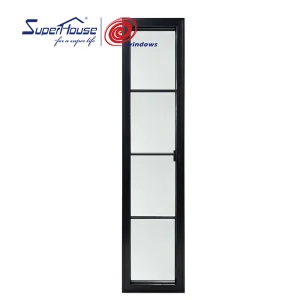
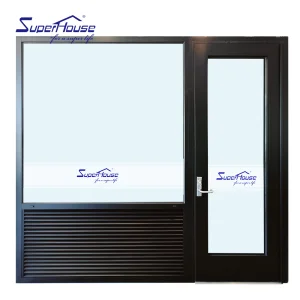
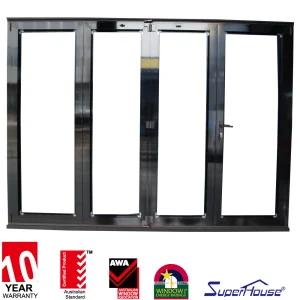
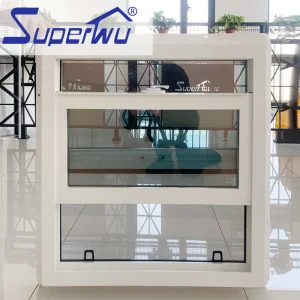
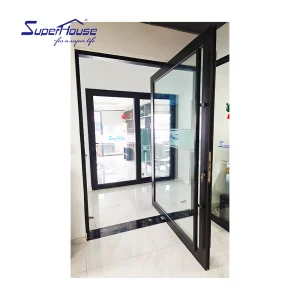
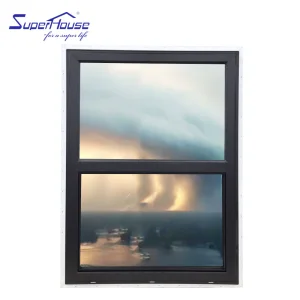
Explore our specialized fenestration series engineered for modern hospitality, high-end residential, and commercial developments.
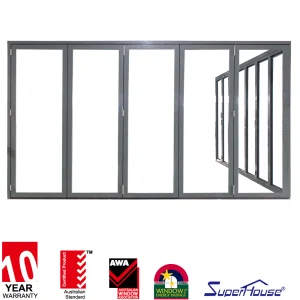
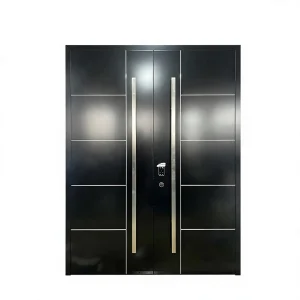
 Grandex Door