How to Choose a Premium Aluminum Entry Door in 2026?

Time:2026-11-06 Author:Liam
0%

Choosing a Premium Aluminum Entry Door in 2026 involves more than comparing finishes or browsing attractive product photos. The right door should suit your home’s climate, entrance dimensions, security needs, and daily use. A slim frame can create a clean, modern look, but its performance depends on details you may not see at first glance. Check for a well-designed thermal break, reliable weather seals, suitable glazing, and hardware that feels solid in your hand. Details matter.

This guide explains how to assess those features and compare products using manufacturer specifications, documented performance ratings, and clear warranty terms. It also considers installation, because even a well-made door can develop drafts or alignment problems when fitted poorly. Ask who will install it, how the opening will be measured, and what the warranty covers. A beautiful finish can still disappoint. I would not treat a thick profile as proof of quality; it is only one part of the decision. Look at the complete door system, including its frame, threshold, hinges, lock, and glass. Consider how rain, strong sun, temperature changes, and everyday traffic may affect your entrance. No single model is best for every home. By weighing appearance against measurable performance and practical support, you can make a more confident choice—and spot claims that deserve a closer look.
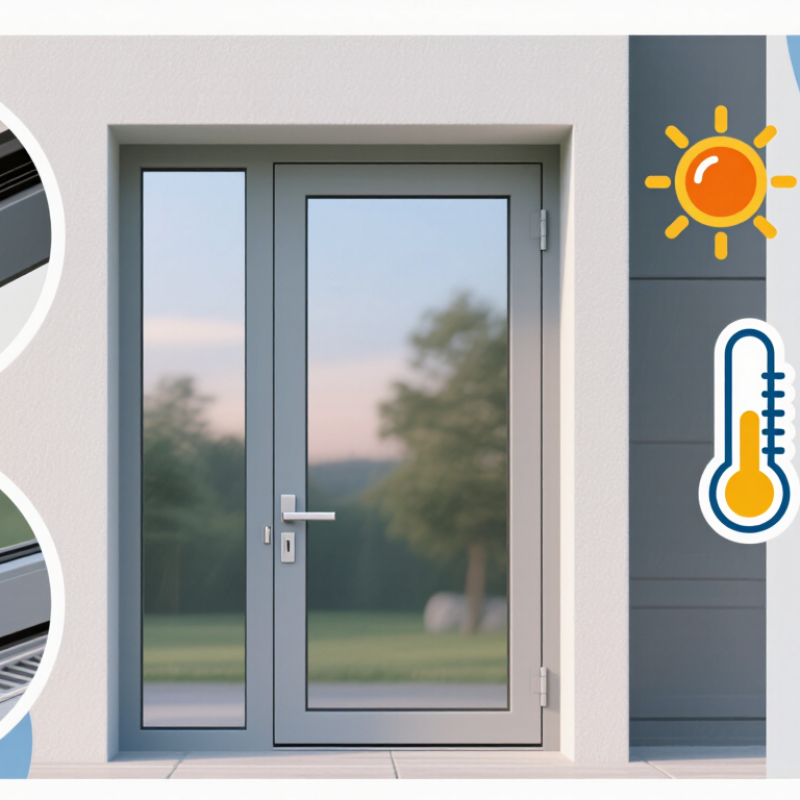
How to Choose a Premium Aluminum Entry Door in 2026?

Understanding What Defines a Premium Aluminum Entry Door

A premium aluminum entry door is more than a thick metal skin. Look for a thermally broken frame: an insulating barrier between the exterior and interior aluminum that limits heat transfer. Ask for the tested whole-door U-factor, not just the glass rating. NFRC rating procedures assess whole-product thermal performance, while NAFS testing evaluates air leakage, water penetration, and structural strength. Check that the test data match the door’s size and configuration. Small details matter. A poorly sealed threshold can still admit drafts and rain.

Hardware and installation deserve equal scrutiny. Multi-point locks should engage smoothly, and hinges should support the door without sagging. Inspect powder-coated or anodized samples in daylight; color and texture can vary across large panels. The 2024 Cost vs. Value report estimated a 188.1% resale-cost recoupment for a steel entry-door replacement, but that national benchmark is not aluminum-specific and cannot predict an individual project. Treat it as context, not a promise. A premium claim without test documentation is weak evidence, even when the finish looks impressive. The awkward part: performance figures do not tell you how the door will feel or sound in daily use. Check a full-size installed sample when possible.

Why a Thermal Break Matters in an Aluminum Entry Door

Approximate bulk-material thermal conductivity: aluminum 205, PVC 0.17, and timber 0.12 W/(m·K). Values vary by alloy and material composition. A thermally broken frame reduces heat flow through the aluminum; compare complete doors using their certified U-factor, not material conductivity alone.

Identifying Your Home’s Design and Performance Requirements

A premium aluminum entry door should suit the house before it impresses visitors. Look at the roofline, window frames, and interior flooring, then decide whether a slim profile or a stronger visual frame fits. Measure the opening. Note the wall depth, swing direction, and nearby steps; a beautiful door can feel awkward if its handle crowds a railing. Matte finishes often soften glare, while darker colors can show dust more clearly in bright sun.

Performance depends on the entrance’s exposure and daily use. A wind-facing porch may need stronger air and water resistance than a sheltered doorway. Ask for documented test ratings, and check whether the door has a thermal break to reduce heat transfer through the aluminum frame. Details matter. Inspect the threshold, weather seals, glazing, and lock alignment, not just the panel. If the home gets afternoon sun, consider insulated glazing or a shaded entry. Appearance can dominate the decision; it is an easy mistake to make. I would compare specifications with the actual opening and local conditions, then confirm installation details with a qualified installer. A small gap at the sill can undo careful product selection.

Comparing Frame Construction, Finishes, Glazing, and Hardware

A premium aluminum entry door starts with a thermally broken frame. The insulating barrier reduces heat transfer through the metal. Check corner joints, drainage paths, and weather seals; small gaps can undermine an otherwise solid build. Powder-coated and anodized finishes resist wear differently, so compare samples outdoors, not just under showroom lights. A finish sample can still mislead.

Glazing deserves close attention. The U.S. Department of Energy’s Energy Saver guidance estimates that windows account for 25–30% of home heating and cooling energy use; that figure is for windows, not doors, but highlights why glass specifications matter. Compare insulated glazing, low-emissivity coatings, and NFRC-certified U-factor and solar heat gain ratings. For hardware, inspect hinge strength, latch alignment, and multipoint locking. A heavy slab alone does not guarantee lasting performance.

Tips: Ask for the door’s tested air-leakage and water-penetration results, plus finish-care instructions. Open and close the sample repeatedly. Listen for scraping, then check whether the latch engages without force. If the installer cannot explain the thermal break or glazing ratings clearly, pause before ordering.

Evaluating Energy Efficiency, Security, and Weather Resistance

How to Choose a Premium Aluminum Entry Door in 2026?

Energy efficiency depends on the whole assembly, not just the aluminum frame. Look for a thermal break, continuous weather seals, and a clearly stated U-factor. Lower U-factors indicate less heat transfer. The U.S. Department of Energy’s Energy Saver guidance estimates that windows account for 25–30% of residential heating and cooling energy use; that figure is not door-specific, but it shows why glazed entry systems deserve careful scrutiny. Check the National Fenestration Rating Council label for certified performance values, especially when the door includes large glass panels. Numbers can mislead. Compare like-sized products and installation details, not ratings in isolation.

Security and weather resistance need equally concrete checks. Ask for test documentation under AAMA/WDMA/CSA 101/I.S.2/A440, which rates factors such as air leakage, water penetration, and structural performance. Match the rated performance grade to local wind and exposure conditions; a sheltered porch and a rain-beaten coastal entrance are not the same test. For security, inspect the complete assembly: lock, reinforced strike area, hinges, frame anchoring, and glass specification. A strong slab can still have a weak frame. Look for installation guidance and a written warranty, then confirm that the installer seals the sill and perimeter correctly. Even a premium door can leak if the threshold sits unevenly.

How to Choose a Premium Aluminum Entry Door in 2026? — Evaluating Energy Efficiency, Security, and Weather Resistance

Use this checklist to compare complete door assemblies, not frame material alone. Performance varies by design, glazing, size, installation, and local climate; request documentation for the exact configuration you plan to buy.

Evaluation Dimension What to Check Useful Evidence or Selection Guidance Why It Matters
Thermal performance The whole-door U-factor, including the frame, glazing, and edge details. Compare NFRC-certified whole-product ratings for similarly sized and configured doors. A lower U-factor indicates less heat transfer. Check applicable local energy-code requirements rather than relying on a generic “energy-efficient” claim. Aluminum conducts heat readily. A thermally broken frame can reduce heat flow, but the rating for the complete assembly is the more useful comparison.
Frame thermal break Whether a continuous thermal barrier separates the interior and exterior aluminum sections. Ask for a section drawing or product specification that identifies the thermal break and its construction. Compare it alongside the whole-door U-factor. A thermal break helps limit heat transfer through the metal frame and can reduce interior-surface temperature differences.
Glazing and condensation Glazing type, low-emissivity coating, insulating glass construction, and documented condensation performance where available. For glazed doors, compare the glass configuration and whole-door ratings. Consider local winter conditions and indoor humidity; no glass specification alone guarantees that condensation will never occur. Glass can account for a substantial share of heat transfer in a glazed entry door. Condensation risk also depends on indoor humidity, installation, and surface temperatures.
Air leakage Tested air-leakage performance for the operable door assembly, including the perimeter seals and meeting stile where applicable. Request a report from a recognized laboratory using an applicable door-and-window test standard, such as ASTM E283, and compare tested values and conditions for equivalent products. Effective weatherstripping, a well-fitting frame, and correct installation help limit drafts and uncontrolled air movement.
Water penetration The tested water-penetration resistance of the complete unit and the pressure at which it was tested. Look for a test report using an applicable method such as ASTM E331. Compare the reported test pressure with local exposure and design requirements; a test result is not a guarantee against water entry in every installation. Rain resistance depends on the door, seals, threshold, sill pan, flashing, and installation details working together.
Wind and structural performance Design-pressure or structural test ratings appropriate to the building location and exposure. Request the applicable test documentation, such as results based on ASTM E330, and confirm that the specified size and configuration are covered by the rating. Wind loads vary by location, building height, and exposure. A rating for one size or configuration may not apply to another.
Locking and hardware Deadbolt quality, strike and frame reinforcement, hinge attachment, and whether multiple locking points engage securely. Check hardware documentation and compatibility with the actual door. ANSI/BHMA grades apply to specified hardware products; they should not be treated as a security grade for the entire door assembly. Security depends on the lock, hinges, frame, fasteners, glazing, and installation—not on the aluminum frame alone.
Impact and forced-entry needs Whether the door and glazing meet any locally required impact, windborne-debris, or forced-entry standards. Where relevant, request documentation for the exact assembly. ASTM E1886 and ASTM E1996 are used for testing and evaluating exterior glazing systems for windborne debris; confirm the applicable local code and product scope. Requirements differ by jurisdiction and hazard zone. A standard for glazing or impact performance does not automatically establish the forced-entry resistance of every door component.
Threshold and drainage Threshold design, sill-pan compatibility, drainage paths, and the transition to the finished floor. Review the manufacturer’s installation instructions and confirm that the planned sill and flashing details suit the wall construction and exposure. Even a tested door can leak if water cannot drain properly or if the sill and flashing are installed incorrectly.
Installation and verification Whether the installer will follow the product instructions, maintain a square and plumb frame, and seal the perimeter correctly. Get the installation scope in writing and retain product labels, test reports, warranty terms, and records of the installed configuration. A door’s rated performance depends on correct installation and on using the tested components and configuration.
Warranty and maintenance Coverage for finish, hardware, seals, glazing, and labor, along with cleaning and adjustment requirements. Read exclusions and required maintenance carefully, especially for coastal or corrosive environments. Confirm how replacement parts and service are handled. Environmental exposure and regular use affect finishes and moving parts; clear coverage helps set realistic ownership expectations.

Comparison note: Ask each supplier for ratings and test reports for the same door size, glazing, hardware, and threshold configuration. Verify local code requirements and have the assembly installed according to the manufacturer’s instructions.

Choosing a Door Configuration, Supplier, and Installation Plan

Choose the door configuration around the way people actually use the entrance. A single hinged panel suits many homes, while a wider opening may benefit from a sidelight or paired doors. Check the swing direction against nearby walls, furniture, and the path outside. Measure the rough opening, not just the existing door slab. Small details matter. Glass can brighten a dim entry, but consider privacy, glare, and how its performance fits your climate.

Ask suppliers for clear specifications, including frame depth, thermal-break construction, glazing options, hardware, and finish-care requirements. Request a written quote that separates the door, delivery, and installation costs. Compare what is included, not just the headline price. Check references and ask who handles field measurements, damage claims, and warranty service. A polished showroom sample cannot show how well a door will fit your opening.

Plan installation before ordering. Confirm the finished floor height, threshold detail, drainage path, and any trim changes with the installer. The crew should inspect the opening and explain how the frame will be anchored and sealed against water. Schedule work when the entry can be secured, and clarify cleanup and disposal beforehand. I still find this part easy to underestimate: a premium door can feel disappointing if the threshold is awkward or the seal needs adjustment after the first rain.

FAQS

What makes an aluminum entry door premium?

Look for a thermally broken frame, reliable seals, sturdy hardware, and documented performance tests. A polished finish alone is not enough.

Why should I check the whole-door U-factor?

It measures heat transfer through the complete door, not just the glass. Ask for results matching your door’s size and configuration.

What should performance tests cover?

Check ratings for air leakage, water penetration, and structural strength. Test results should match the door being considered.

How can I tell whether the door suits my home?

Compare its profile and finish with your roofline, window frames, and flooring. Also measure wall depth and check the swing direction.

Which details can affect everyday comfort?

Inspect the threshold, weather seals, glazing, and lock alignment. A small gap at the sill can admit drafts or rain.

Does the entrance’s exposure matter?

Yes. A wind-facing porch may need stronger air and water resistance than a sheltered doorway. Afternoon sun may call for shading or insulated glazing.

What should I inspect in the hardware and finish?

Try the multi-point lock and check that hinges support the door without sagging. View a finish sample in daylight; large panels may look different.

Can resale figures predict this door’s value?

Not reliably. A published steel-door estimate is not aluminum-specific and cannot promise a result for your home. I might still be tempted by the number.

Is a premium claim enough without test documents?

No. Ask for evidence, then inspect a full-size installed sample if possible. Numbers cannot tell you exactly how the door will feel or sound.

Conclusion

Choosing a Premium Aluminum Entry Door in 2026 starts with understanding what makes a door truly high quality: durable materials, precise construction, thoughtful design, and reliable long-term performance. Begin by considering your home’s architectural style, climate, privacy needs, and daily use. These requirements will help guide decisions about frame construction, finish, glazing, and hardware, balancing appearance with durability and ease of maintenance.

Next, compare energy efficiency, security features, and resistance to wind and moisture to find an option suited to your local conditions. Consider which configuration best fits your entrance, including the door’s size, opening direction, and any sidelights or glazing. Finally, assess the supplier’s product information, warranty, and support, and plan for professional measurement and installation. A careful evaluation of these details can help you choose an entry door that complements your home and performs reliably over time.

Liam

Liam

Liam is a dedicated marketing professional with a profound expertise in the industry, where he excels at highlighting the unique advantages of our core products. With a keen understanding of market trends and consumer needs, Liam frequently updates our company’s professional blog, providing......