7 Tips for Buying an Aluminum Front Door

Time:2026-09-30 Author:Aria
0%

Choosing an Aluminum Front Door is not only about a clean, modern appearance. It affects security, insulation, maintenance, and daily comfort. A door may look impressive in a showroom, yet perform poorly after months of rain and temperature changes.

Dr. Joseph Lstiburek, a widely cited building-science expert, has said, “Water is the enemy of buildings.” That warning matters here. Check the sill, drainage path, weather seals, and installation details before admiring the finish. Small gaps around the frame can invite drafts, stains, and hidden moisture.

These seven tips focus on decisions buyers often overlook. Consider the aluminum alloy, thermal break, glass specification, hardware quality, finish durability, threshold design, and installer experience. Touch the sample surface. Inspect the corners. Ask how the door handles coastal air, strong sunlight, and repeated use.

Looks can mislead.

A thicker frame is not automatically better. A lower price may also hide weaker seals or limited after-sales support. Some recommendations depend on your climate, entrance orientation, and budget. There is no perfect door for every home.

A careful buyer should compare written specifications, not just photographs. Request performance data where available. Confirm the warranty in plain language. If the installer avoids technical questions, pause before signing.

The right Aluminum Front Door should feel solid, close smoothly, resist weather, and suit the building for years. These tips cannot remove every uncertainty. They can make expensive mistakes less likely.
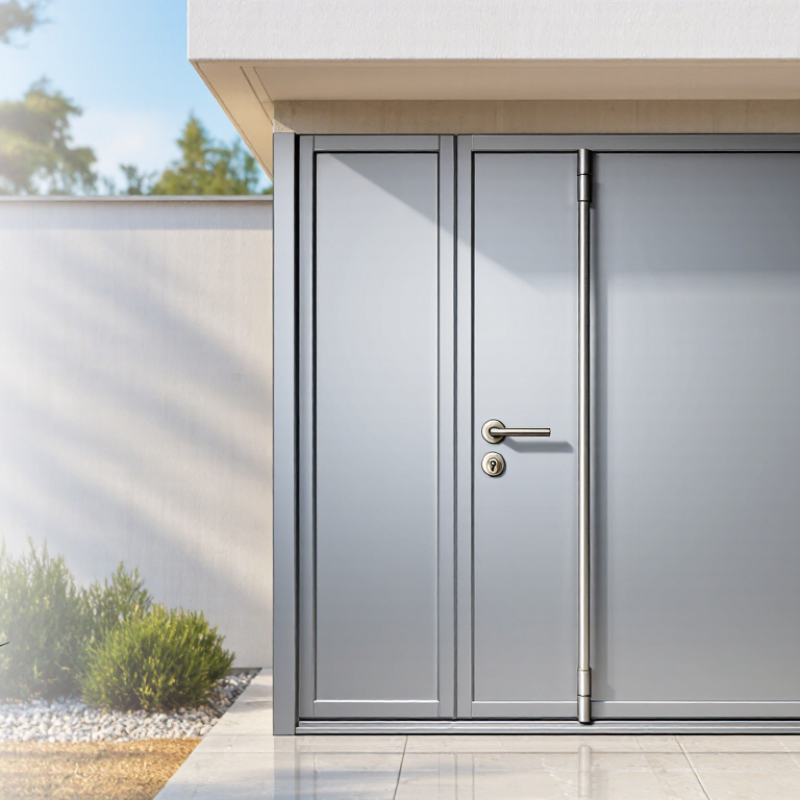
7 Tips for Buying an Aluminum Front Door

Define Door Size, Swing, Exposure, and a 3–5 Point Locking Plan

7 Tips for Buying an Aluminum Front Door

Define Door Size, Swing, Exposure, and a 3–5 Point Locking Plan

Tip 1: Measure the rough opening, not only the existing slab. Check width, height, depth, and threshold condition.

Tip 2: Confirm the swing from inside the home. A door that opens toward furniture can create daily frustration.

Tip 3: Leave enough clearance for handles, trim, and nearby walls. I once underestimated hallway space, and the adjustment was expensive.

Tip 4: Study the door’s exposure. A west-facing entrance may receive intense afternoon sun, wind, and driving rain. Use a covered entry when possible. Check drainage below the threshold. Water often reveals poor planning quickly.

Tip 5: Ask how the aluminum surface handles heat and moisture. Dark finishes can become hot in direct sunlight. Coastal air also deserves attention.

Tip 6: Plan the locking system before ordering. A three-point system may suit a smaller entrance with moderate exposure. Taller or more exposed doors may benefit from four or five locking points. The locks should engage smoothly along the frame, without forcing the handle. Confirm the strike locations with a qualified installer. More points do not automatically mean better security.

Tip 7: Test the complete door assembly, not just the lock. Open it slowly. Listen for rubbing, movement, or uneven contact. Request clear installation instructions and warranty terms. Reliable measurements matter more than attractive samples. I still prefer a second site check, because rushed measurements can spoil an otherwise excellent door.

Choose Thermally Broken Aluminum with 6063-T5 Alloy Frames

Buying an aluminum front door starts with the frame, not the color. Tip 1: Confirm the frame uses 6063-T5 aluminum alloy. This grade offers useful strength, clean extrusion, and reliable corrosion resistance. Tip 2: Choose a thermally broken frame. Its insulating barrier separates interior and exterior aluminum, reducing heat transfer around the doorway. The difference is noticeable.

Tip 3: Ask for thermal performance data, not vague claims. Look for tested U-values and clear product documentation. Tip 4: Inspect the thermal break closely. It should run continuously around the frame, especially near corners and the threshold. Tip 5: Check the sill design. A poor threshold can admit drafts, rain, and cold air. I once focused too heavily on the door panel and overlooked this detail.

Tip 6: Confirm the 6063-T5 frame is properly finished. A consistent coating should cover edges, joints, and exposed surfaces. Tip 7: Review installation requirements before ordering. Even an excellent thermally broken door can perform poorly with gaps or uneven anchoring. Use an experienced installer and request photographs of completed sealing work. Small mistakes matter. Also, ask how the frame handles local weather, daily use, and future hardware replacement. I would not trust attractive specifications without test evidence and practical installation details.

7 Tips for Buying an Aluminum Front Door: Choose Thermally Broken Aluminum with 6063-T5 Alloy Frames

Thermal performance depends heavily on frame construction. A thermal break separates the interior and exterior aluminum sections, reducing heat transfer and condensation risk.

Representative frame U-factor reference values in W/m²·K. Lower values indicate better insulation. Actual certified performance varies with frame geometry, glazing, hardware, weather seals, installation, and test standard.

Seven Buying Checks

  1. Choose a continuous thermal break rather than a conventional solid aluminum frame.
  2. Look for 6063-T5 aluminum alloy frames, a common architectural-grade extrusion specification.
  3. Compare the certified whole-door U-factor, not only the frame material.
  4. Specify insulated low-E glazing when the door includes glass panels.
  5. Check the number and replaceability of weather seals around the frame and sash.
  6. Confirm that the threshold includes effective drainage and a reliable thermal barrier.
  7. Review hardware strength, finish durability, installation requirements, and warranty coverage.

Compare NFRC U-Factor Ratings and Target ≤0.17 for Energy Efficiency

When buying an aluminum front door, treat the NFRC label as a practical energy guide. The U-factor measures how quickly heat passes through the complete door assembly. Lower numbers usually indicate better insulation. For demanding energy goals, target a certified U-factor of 0.17 or lower. However, confirm local climate requirements before choosing that target.

Tip 1: Compare complete assemblies, not glass alone. Check the frame, panel, glazing, and edge seals. Aluminum transfers heat easily, so a thermally broken frame can make a meaningful difference. During home inspections, I have seen impressive glass ratings weakened by poorly insulated frames. That detail is easy to miss.

Tip 2: Ask for the NFRC certification and exact product configuration. A decorative glass panel or different size may change the tested rating. Installation also matters. A small gap around the frame can create drafts, moisture problems, and disappointing performance. Use an experienced installer, then inspect the threshold and perimeter seals closely. Targeting 0.17 is sensible, but it is not magic. Door orientation, wind exposure, shading, and indoor humidity still affect comfort. I would also compare air leakage ratings, because a low U-factor cannot compensate for a badly sealed door.

Verify ASTM E283 Air Leakage and ASTM E330 Structural Performance

7 Tips for Buying an Aluminum Front Door

An aluminum front door should look strong, but appearance proves little. Ask for an independent test report showing ASTM E283 air leakage results. This test measures how much air passes through the door assembly under pressure. Lower leakage usually means better control around the frame, weatherstripping, and sill. Check the tested door size and configuration. A report for a small single door may not represent a larger unit with sidelites.

ASTM E330 evaluates structural performance under uniform static air pressure. It helps show whether the door, frame, glass, and connections resist wind-related loads. Ask whether the reported pressure matches your building location and exposure. Also confirm the test used the same glass, hardware, threshold, and reinforcement you plan to buy. Small changes matter. A decorative panel can alter performance.

Installation deserves equal attention. Even a well-tested door can leak when the opening is uneven or the sill is poorly sealed. Request clear installation instructions and inspect the rough opening before delivery. I once treated laboratory ratings as complete answers; that was too simple. Field conditions can expose weak sealing, careless shimming, or drainage problems. Review the full report, not only the headline rating, and ask a qualified installer to explain any unclear result.

Select ANSI/BHMA Grade 1 or Grade 2 Hardware and a 10-Year Warranty

7 Tips for Buying an Aluminum Front Door

Select ANSI/BHMA Grade 1 or Grade 2 hardware and a 10-Year Warranty

Hardware determines how an aluminum door feels after thousands of openings. ANSI/BHMA Grade 1 offers the highest durability classification. Grade 2 suits many residential entrances and light commercial applications. Ask for certification, not vague phrases like “heavy duty.” The lock should close smoothly, without scraping or excessive handle movement.

A ten-year warranty sounds reassuring, but read every exclusion. Confirm coverage for the lockset, hinges, finish, glass, water infiltration, and structural defects. Check whether labor and transportation are included. Some warranties cover only replacement parts. That distinction matters. I would not assume a long warranty proves excellent installation.

The U.S. Energy Information Administration’s 2020 Residential Energy Consumption Survey reports that space heating used 42% of household energy. A well-fitted door cannot transform a home, but poor seals can create noticeable drafts. Request the door’s NFRC-rated U-factor and air-leakage information. Lower U-factor generally indicates better insulation. Ask for tested performance under NAFS or an equivalent fenestration standard.

The 2024 Cost vs. Value report recorded a 188.1% cost recoupment for a steel entry-door replacement. That figure does not directly predict aluminum-door resale value, but it shows why entry-door performance attracts buyer attention. Inspect the threshold, weatherstripping, fasteners, and frame alignment before signing. Small gaps are easy to miss. Regrettably, many warranty disputes begin with installation details rather than the door itself.

FAQS

What aluminum alloy should the door frame use?

Look for 6063-T5 aluminum alloy. It offers strength, clean extrusion, and useful corrosion resistance.

Why choose a thermally broken frame?

A continuous insulating barrier separates indoor and outdoor aluminum. This reduces heat transfer around the doorway.

Where should I inspect the thermal break?

Check corners, joints, and the threshold. The barrier should continue without visible interruptions.

What frame details can cause drafts or water entry?

Inspect the sill and perimeter seals carefully. Poor threshold design can admit rain, cold air, and drafts.

What energy rating should an aluminum front door have?

Consider a certified U-factor of 0.17 or lower. Confirm local climate requirements before choosing that target.

Should I compare the glass rating alone?

No. Compare the complete assembly, including the frame, panel, glazing, and edge seals.A low glass rating is not enough.

What does the air leakage test reveal?

ASTM E283 reports how much air passes through the door assembly under pressure. Lower leakage usually means tighter sealing.Check the tested size.

What does the structural performance test show?

ASTM E330 evaluates resistance to uniform static air pressure. Review the glass, hardware, threshold, and reinforcement used during testing.

Can installation change the door’s performance?

Yes. Uneven openings, gaps, poor shimming, or weak sill sealing can reduce performance.Laboratory ratings are not the whole story.

What should I request before ordering?

Request test reports, exact product configurations, installation instructions, and completed sealing photographs.I once trusted attractive specifications too quickly.

Conclusion

Buying an Aluminum Front Door starts with careful planning. Measure the opening accurately, decide whether the door should swing inward or outward, and consider its exposure to sun, wind, rain, and temperature changes. A clear three- to five-point locking plan can improve security and help the door close evenly. For better insulation, choose thermally broken aluminum and look for frames made from durable 6063-T5 alloy.

When comparing products, review NFRC U-Factor ratings and aim for 0.17 or lower for strong energy performance. Confirm that the door has been evaluated for air leakage under ASTM E283 and structural performance under ASTM E330. Hardware should meet ANSI/BHMA Grade 1 or Grade 2 standards, depending on your security and usage needs. Finally, read the warranty carefully and favor coverage lasting at least 10 years, provided the installation requirements are practical and clearly stated.

Aria

Aria

Aria is a dedicated marketing professional with a deep passion for innovative strategies and a keen understanding of our company's product offerings. With a wealth of experience in the industry, Aria excels at crafting engaging content that highlights the unique features and benefits of our......