What Are the Top Aluminum Residential Door Types in 2026?

Time:2026-11-20 Author:Charlotte
0%

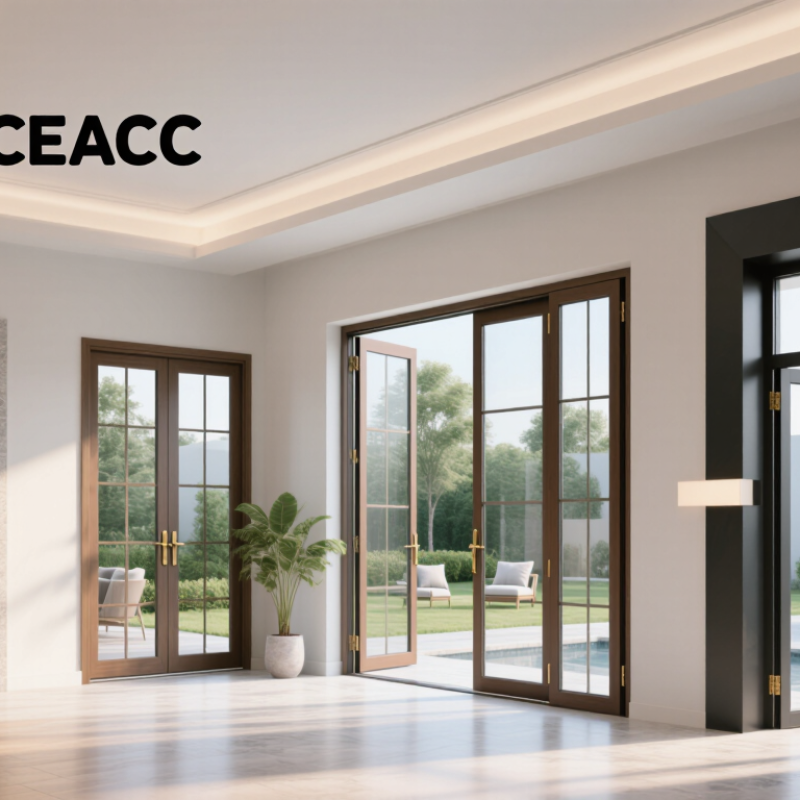
Choosing an Aluminum Residential Door in 2026 means balancing appearance, daily use, energy performance, and the limits of your opening. A slim sliding door can bring daylight into a living room and save clearance space. Hinged and French-style doors offer a familiar entry feel, while folding systems can open a wider connection to a patio. Pivot doors create a striking entrance, but they need careful planning for weight, hardware, and clearance. Each type solves a different problem.

The right choice depends on how the home is used, not just how a product looks in a showroom. Check frame construction, glass specification, weather seals, hardware quality, and the installer’s experience. In colder or hotter regions, ask how the complete door system manages heat transfer and air leakage; performance varies by design and installation. Measure the opening, consider furniture paths, and think about wind exposure before choosing a configuration. Small details matter.

There is no perfect type. That trade-off is easy to miss. A broad glazed door may brighten a room, yet need more frequent cleaning. A secure-feeling, heavy unit may be awkward for some household members. Product labels can help, but they do not replace a site-specific assessment or clear warranty terms. This guide compares the leading aluminum residential door types for 2026, their practical strengths, and the questions worth asking before you buy. Some choices are less obvious than they seem.
What Are the Top Aluminum Residential Door Types in 2026?

Aluminum Residential Doors: Materials and Basic Construction

Aluminum residential doors are built around an extruded frame, shaped to hold panels, glass, and hardware. The frame’s profile affects strength, weight, and the space available for insulation. Many doors use a thermal break: a low-conductivity material separating the interior and exterior aluminum sections. This can reduce heat transfer, though performance also depends on glazing, seals, and installation. Check the full assembly, not just the frame.

Panels may be insulated, glazed, or combined, depending on the design. Double glazing can improve insulation, while laminated or tempered glass may be selected for specific safety and durability needs. Ask how the glass is secured and whether the door includes replaceable weatherstripping. Small details matter.

Hinges, locks, and thresholds must suit the door’s weight and expected use. Powder-coated finishes can provide color and surface protection, but scratches still need attention. A tiny gap at the threshold can invite drafts or water, even when the materials look sturdy.

It is easy to focus on a sleek frame and overlook that joint. Also compare stated performance ratings with local climate and actual installation conditions; a good specification cannot correct a poorly fitted door.

Aluminum Hinged Entry Doors: Configurations and Uses

Aluminum Hinged Entry Doors: Configurations and Uses

Aluminum hinged entry doors suit homes where a clear swing path is available. A single leaf works well for compact porches and everyday access. Paired doors create a wider opening for moving furniture or welcoming guests. Sidelights can bring daylight into a dim hallway, though they reduce wall space for privacy. Inward- and outward-swinging layouts each have trade-offs. Check porch clearance, nearby steps, and local weather exposure before choosing. Small details matter.

Tips: Measure the opening at several points, since older frames may not be square. Ask about thermal breaks, continuous weather seals, and a threshold suited to your entry. These features can help limit drafts and moisture, but installation quality matters too. Choose glazing based on both daylight and privacy needs.

For busy entrances, look closely at hinge capacity, handle placement, and the door’s full swing. A heavier glazed leaf may need hardware designed for its weight. Outward swings can preserve indoor floor space, yet may conflict with a narrow landing. There is no perfect configuration. A broad double-door opening looks inviting, but one leaf may be used far more often than the other. That detail is easy to overlook.

Top Aluminum Hinged Entry-Door Configurations in 2026

Common nominal door widths and typical residential uses

Single-leaf doors are commonly available in 30-, 32-, and 36-inch nominal widths; paired doors are often 60 or 72 inches overall, depending on leaf sizes. Narrower single doors suit compact entrances, 36-inch doors are a common main-entry choice, and pairs provide a wider opening for grand entrances or moving large items. Actual sizes and clear openings vary by frame, hardware, and local requirements.

Aluminum Sliding and Bifold Doors: How They Differ

What Are the Top Aluminum Residential Door Types in 2026?
Aluminum Sliding and Bifold Doors: How They Differ

Aluminum sliding and bifold doors both bring daylight into a home, but they use space differently. Sliding doors move along a track, with one panel passing behind another. They suit patios and rooms where furniture sits close to the opening. The trade-off is a partly blocked doorway, even when the door is fully open.

Bifold doors fold their panels together at one side, creating a wider opening for entertaining or connecting a kitchen to a garden. They need clear floor space for the folded stack, and their hinges and tracks need regular cleaning. More moving parts can mean more adjustment over time. That detail is easy to overlook. Neither option is automatically more energy-efficient; glazing, seals, installation, and local climate all matter.

Tips: Measure the usable opening, not just the frame. Check where panels will sit when open, and ask how the sill handles rain and everyday access. If you rarely need a completely open wall, a sliding door may be simpler. If uninterrupted access matters, bifolds may fit better—but I would still compare threshold height and maintenance before choosing.

What Are the Top Aluminum Residential Door Types in 2026? Aluminum Sliding and Bifold Doors: How They Differ

Comparison Point Aluminum Sliding Doors Aluminum Bifold Doors
How They Open One or more panels glide horizontally along tracks. Panels usually slide past fixed or other sliding panels. Multiple hinged panels fold and stack to one or both sides as the door opens.
Clear Opening With a conventional configuration, some of the doorway remains covered by fixed or parked panels. Pocket systems can slide panels into a wall cavity when the design allows. Can create a wide opening when panels are folded aside, though the stacked panels still occupy some space at the opening.
Space at the Sides Does not need the panels to swing into the room or onto the patio. The track and panel overlap remain within the door system. Needs room for the folded panel stack and its operating hardware; the stack may project into or out of the opening depending on the configuration.
Track and Threshold Uses a top and/or bottom track with rollers. Low-profile thresholds are available, but drainage and water management still need to suit the location. Uses a track and hinges to guide the folding panels. Low thresholds may be available, subject to the system design and site conditions.
Ventilation Allows controlled partial opening while other panels remain in place. The usable opening depends on the panel arrangement. Can open a larger portion of the doorway, making it useful when a broad connection between indoor and outdoor areas is wanted.
Glazing and Views Often selected for broad glazed panels and relatively unobstructed views, although frame width and panel layout vary by system. Can provide extensive glazing, but the hinges, panel joints, and stacked panels are more visible when closed or open.
Weather and Air Sealing Performance depends on the design of the seals, interlocks, drainage, installation, and tested ratings. Sliding operation alone does not guarantee better sealing. Performance depends on the seals between panels, frame design, drainage, installation, and tested ratings. Folding joints require careful detailing.
Thermal Performance Thermal performance varies by glazing, frame construction, weather seals, and installation. Thermally broken aluminum frames can reduce heat transfer through the frame. Thermal performance likewise depends on glazing, frame construction, seals, and installation. Check the complete door’s published performance rather than the material alone.
Security Considerations Look for suitable multipoint or equivalent locking, secure glazing, anti-lift features where appropriate, and a tested rating for the complete installed assembly. Look for secure locking at the main access panel and appropriate locking of the folding set, along with secure glazing and a tested rating for the complete assembly.
Routine Care Keep tracks clear of dirt and debris, check drainage paths, and maintain rollers and seals according to the manufacturer’s instructions. Keep tracks and drainage paths clear, and periodically check hinges, rollers, locking points, and seals for wear or adjustment needs.
Often Suited To Patios, balconies, and rooms where a simple sliding action, broad glazed panels, and minimal swing clearance are priorities. Open-plan living spaces and garden connections where creating a wide opening is a priority and there is space for the folded panels.
Key Trade-Off Convenient to operate without swing clearance, but a standard layout may leave part of the doorway closed even when fully open. Can open a larger portion of the doorway, but has more moving joints and requires space for the panel stack.

Actual performance and available configurations vary by product, glazing, dimensions, installation, and local building requirements. Compare tested ratings for the complete door assembly.

Aluminum French and Patio Doors: Key Characteristics

Aluminum French doors bring a formal, balanced look, with paired panels that swing inward or outward. They need clear floor space, especially near rugs, furniture, or narrow decks. Sliding patio doors save that space and suit openings where a wide glass view matters. Their trade-off is simple: the moving panel leaves only part of the opening available for passage. Both styles can feel light and sturdy, but frame depth, seals, rollers, and installation affect daily performance. Small details matter.

Aluminum conducts heat readily, so ask whether the frame has a thermal break and request product-specific energy ratings. DOE Energy Saver guidance estimates that windows account for about 25–30% of household heating and cooling energy use. That figure is for windows, not doors, but it shows why glass and frame performance deserve attention. The National Fenestration Rating Council’s labels report whole-product U-factor and solar heat gain coefficient (SHGC), useful measures when comparing options. A lower U-factor generally means less heat transfer; the right SHGC depends on climate and sun exposure. Ratings do not capture every installation flaw. Check the threshold, weatherstripping, and drainage details, then consider the actual opening and local conditions. A beautiful door that sticks after rain is still a frustrating choice.

How to Compare Aluminum Door Types for Your Home

Choosing an aluminum door starts with how the room works, not how the frame looks. Sliding doors suit patios and narrow rooms because their panels move along a track. They preserve floor space, but the track needs regular cleaning, especially where grit collects. Check the locking points and weather seals, too. A wide glass opening can feel bright, yet it may offer less privacy.

Hinged doors provide a familiar swing and often seal tightly when fitted well. They need clear space for the leaf to open, so measure furniture and walkways first. French-style pairs create a broad entrance, though both panels require careful alignment. Folding doors stack to one side and can open much of a wall. Their many joints and rollers mean hardware quality and installation accuracy matter. Not every large opening benefits from folding panels.

Compare the frame’s thermal-break design, glazing options, drainage, and stated performance data. Ask how the door handles wind and rain in your local conditions; broad claims alone are not enough. Measure the rough opening at several points, since older homes are rarely perfectly square. I would not choose by frame color alone. It is easy to overlook the sill: a low threshold helps access, but its drainage details deserve close attention. Check who will install and adjust the door, and clarify what routine maintenance the hardware needs.

FAQS

When does a single aluminum hinged door work well?

It suits compact porches and everyday entry. Check that the door has room to swing fully.

Are paired hinged doors useful for moving furniture?

Yes. They create a wider opening for furniture and guests. One leaf may get used much more often, though.

What should I consider before choosing inward or outward swing?

Check nearby steps, porch clearance, and the landing width. An outward swing saves indoor floor space but may crowd a narrow landing.

Do sidelights improve an entry?

They can bring daylight into a dim hallway. They also reduce wall space and may affect privacy.

What should I measure before ordering a door?

Measure the usable opening at several points. Older frames may not be square. Small detail.

How do sliding doors differ from bifold doors?

Sliding panels pass behind one another, so part of the doorway stays blocked. Bifold panels fold to one side and create a wider opening.

Which option works better near patio furniture?

Sliding doors can suit furniture placed close to the opening. Bifolds need clear floor space for their folded panels.

Do aluminum doors automatically provide better energy efficiency?

No. Glazing, seals, installation, and local climate all matter. Ask about thermal breaks and continuous weather seals, too.

What maintenance might bifold doors need?

Their tracks and hinges need regular cleaning. Extra moving parts may need adjustment over time, which is easy to underestimate.

Conclusion

Choosing the right Aluminum Residential Door in 2026 starts with understanding how aluminum frames, panels, glazing, and insulation work together. Hinged entry doors are a familiar choice for main entrances and side access, with single- and double-door configurations suited to different openings. Sliding doors save space and provide broad views, while bifold doors fold back to create a wider connection between indoor and outdoor areas.

French and patio doors offer their own balance of access, daylight, and style: French doors typically have paired hinged panels, while patio doors may use sliding or hinged designs. To compare door types, consider the available wall space, opening width, traffic patterns, privacy, energy performance, security features, maintenance needs, and local climate. Matching these practical requirements to your home’s layout can help you select a door that is comfortable to use and complements the space.

Charlotte

Charlotte

Charlotte is a seasoned marketing professional with a deep understanding of the company's portfolio and a passion for elevating its presence in the market. With a keen eye for detail and a commitment to excellence, she ensures that our professional blog is regularly updated with insightful articles......