Architectural-Grade Fenestration Solutions Engineering High Thermal Efficiency, Structural Integrity, and Advanced Security Systems for Global B2B Enterprises
Engineered to exact OEM/ODM specifications with certified international standards (Miami-Dade NOA, NFRC, AS2047, CE)
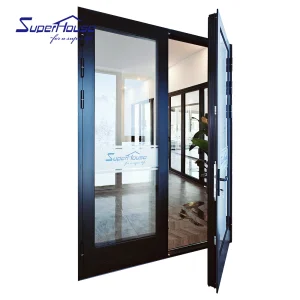
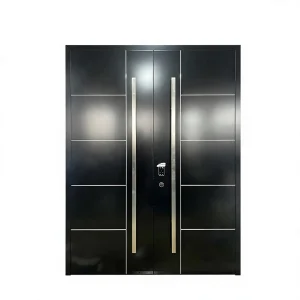
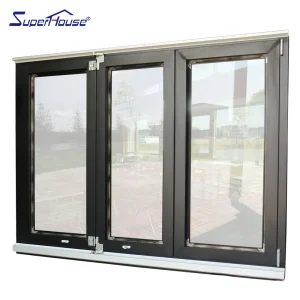
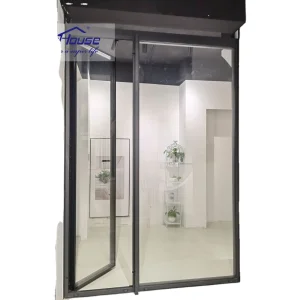
A authoritative examination of thermal insulation compliance, carbon-neutral architecture, and custom OEM manufacturing dynamics.
The global demand for high-performance architectural openings has undergone a paradigm shift, driven by strict carbon-neutral building mandates, rising energy costs, and escalating extreme weather events worldwide. Thermal insulated aluminum doors have transitioned from luxury fenestration options to indispensable components of modern commercial and residential building envelopes. Historically, standard aluminum profiles suffered from high thermal conductivity (k ≈ 160–200 W/m·K), serving as major energy bridges that resulted in massive operational heating and cooling losses. The modern fenestration sector overcomes this physical limitation through advanced multi-cavity thermal break systems, integrated polyamides (PA66 GF25), and precision OEM engineering.
From an enterprise procurement perspective, leading real estate developers, architectural specifiers, and distribution networks demand custom OEM thermal insulated aluminum door manufacturers capable of delivering structural resilience, localized code compliance, and scalable production capacity. Regulatory frameworks such as the International Energy Conservation Code (IECC), North American NFRC certifications, European Passive House (Passivhaus) standards, and Australian AS2047 benchmark low U-factors (overall heat transfer coefficient) and optimal Solar Heat Gain Coefficients (SHGC). Achieving U-factors below 1.2 W/m²K requires precise material chemistry, multi-chamber extrusion design, argon-filled double/triple Low-E insulating glass units (IGUs), and engineered EPDM weatherstripping.
In high-density urban environments, high-rise commercial structures require thermal insulated aluminum doors that combine thermal resistance with extreme wind-load resistance (Pa rating). Conversely, luxury residential applications in coastal areas require hurricane impact resistance (Miami-Dade NOA approval) alongside seamless indoor-outdoor transition profiles. Manufacturers with deep OEM capabilities must balance these structural demands through tailor-made extrusion dies, customized hardware integration (such as German Siegenia, Hoppe, or GU hardware), and automated finish application (PVDF fluoropolymer or powder coating certified to AAMA 2605).
Operational excellence, rigorous quality assurance infrastructure, and global supply chain partnerships.
Established in 2014, Grandex Door Solutions Co., Ltd. operates as a premier entry door manufacturer and engineering factory, utilizing a state-of-the-art 35,000 m² modern production facility. Built on 16 years of core industry expertise and 8 years of dedicated international export operations, Grandex generates an annual export volume of USD 28 million. Grounded in robust OEM (Original Equipment Manufacturer) and ODM (Original Design Manufacturer) frameworks, our product systems serve high-tier markets in North America and Western Europe, supported by an expansive network of over 1,200 verified supply chain partners.
| Key Metric / Capability Parameter | Enterprise Standard / Operational Capacity | Strategic Value to B2B Clients |
|---|---|---|
| Manufacturing Base Area | 35,000 m² Integrated Industrial Plant | High volume capacity, simultaneous batch processing |
| Annual Export Revenue | USD 28 Million | Financial stability, large-scale procurement reliability |
| Engineering R&D Team | 85 Specialized Fenestration Engineers | Rapid OEM prototyping, CAD/BIM drawing approval |
| Quality Assurance Staff | 45-Member QA/QC Division | Zero-defect policy, 100% incoming/outgoing testing |
| Annual Design Innovation | 120 New Door Systems Introduced Last Year | Market-leading design catalog, flexible ODM options |
| Global Supply Network | 1,200+ Material & Hardware Partners | Supply chain resilience, premium hardware sourcing |
Quality control is embedded at every phase of the production line. Supported by ISO 9001-certified internal testing and third-party laboratory verification (including NFRC, Intertek, and CSA testing standards), the 45-member Quality Assurance team monitors raw aluminum alloy spectrographic integrity, thermal strip insertion tension, IGU sealing longevity, and hardware operational cycle counts. Driven by an active R&D division with 85 specialized engineers, Grandex introduced 120 new door and window designs last year alone, delivering full custom solutions spanning bespoke dimensions, integrated multi-point lock security systems, advanced surface finishes (anodizing, PVDF, wood grain sublimations), and high-performance decorative glass panels.
End-to-end automated manufacturing lines guaranteeing precision tolerances within ±0.1mm.
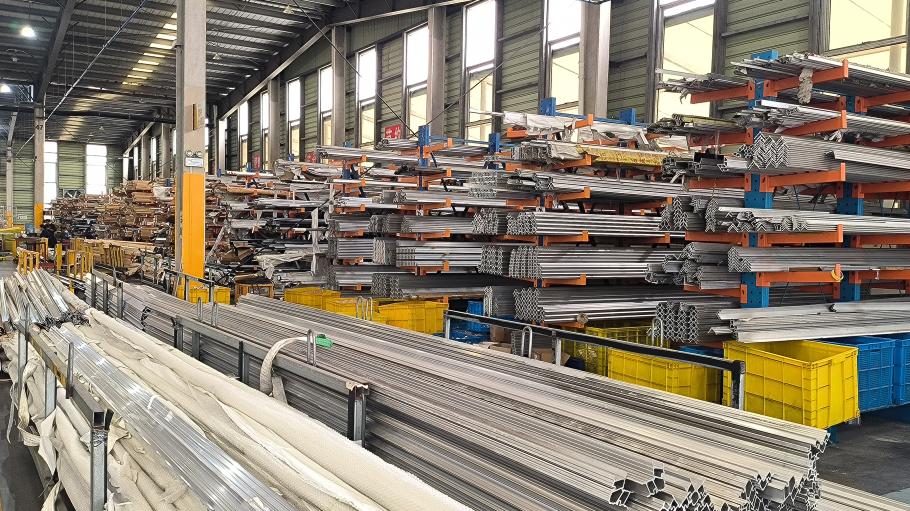 1. Raw Materials Storage
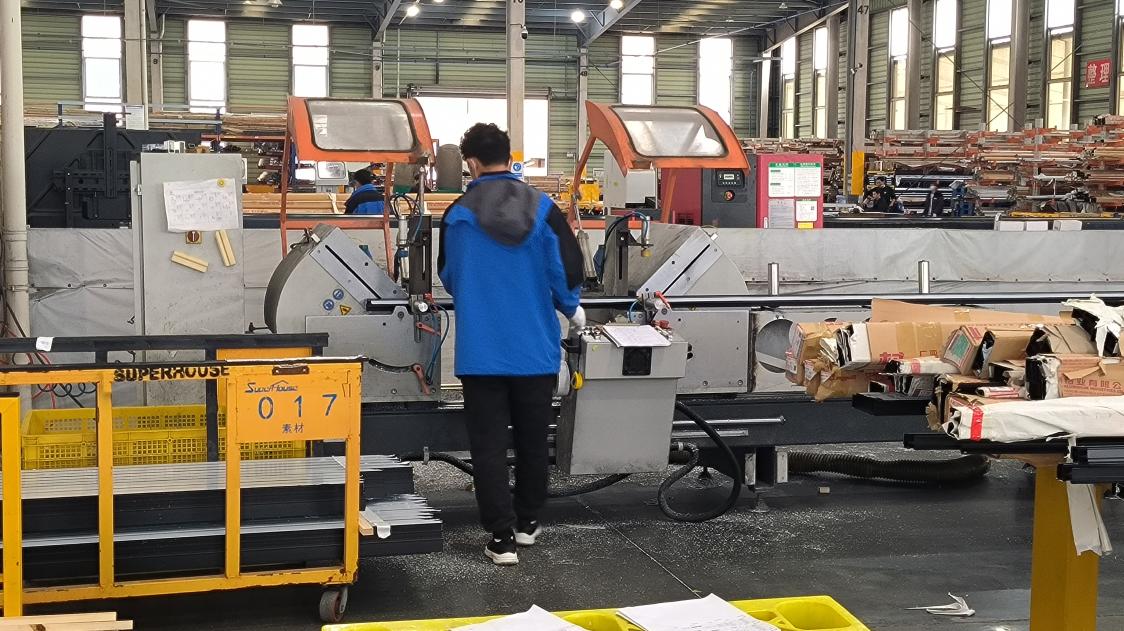 2. Precision Profile Sawing
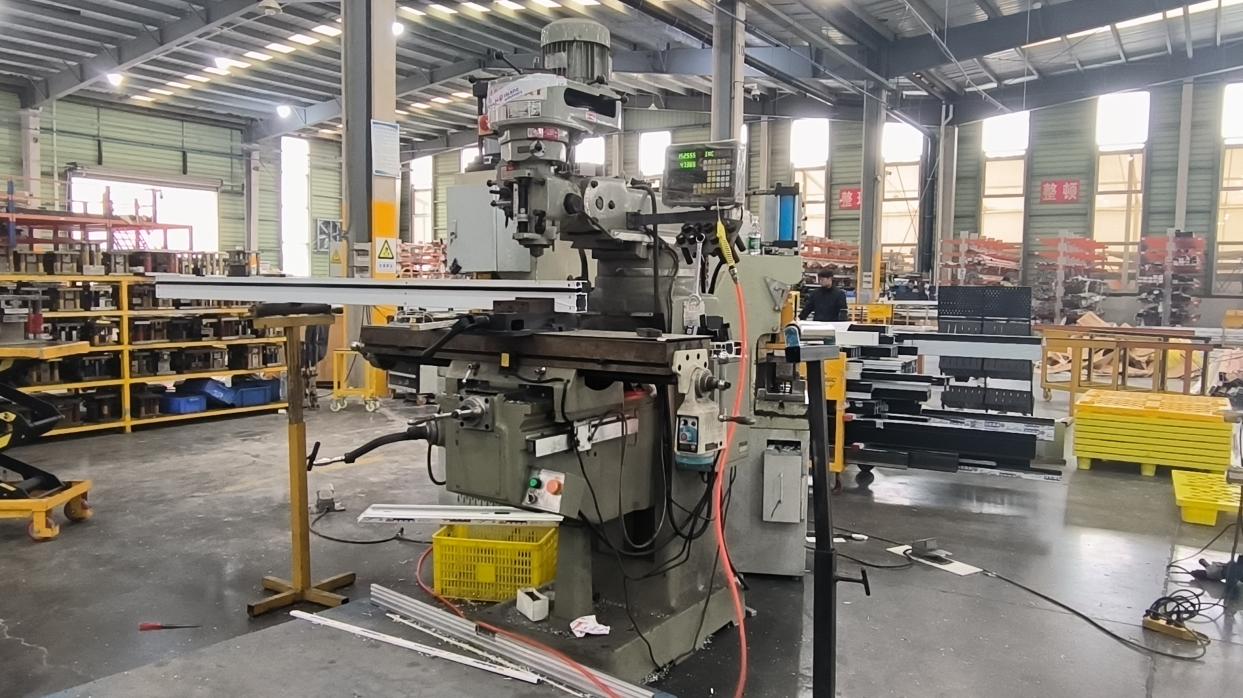 3. Corner & Joint Milling
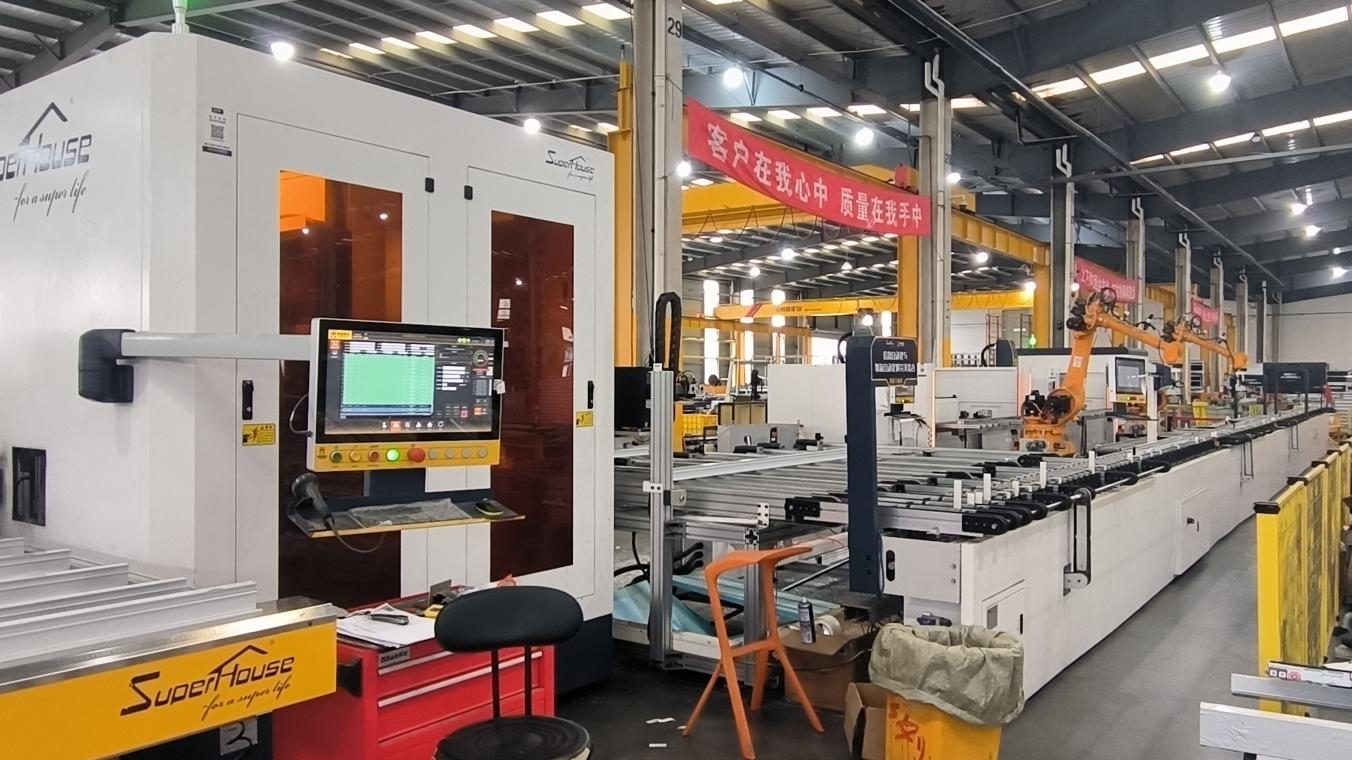 4. High-Speed CNC Milling
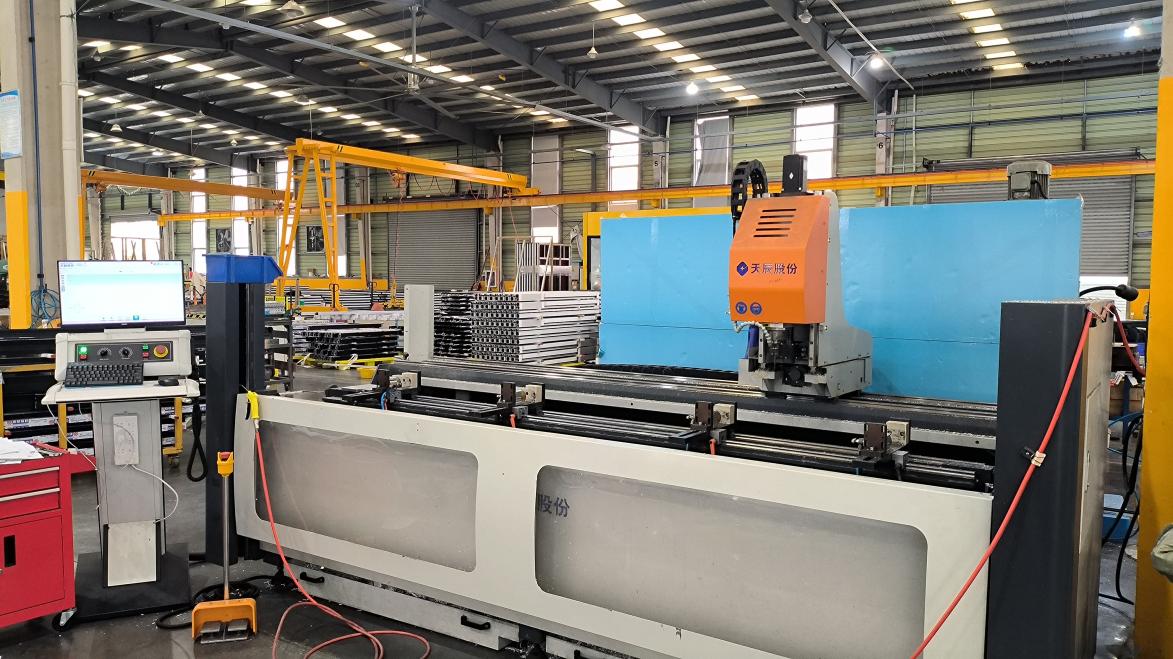 5. Automated CNC Drilling
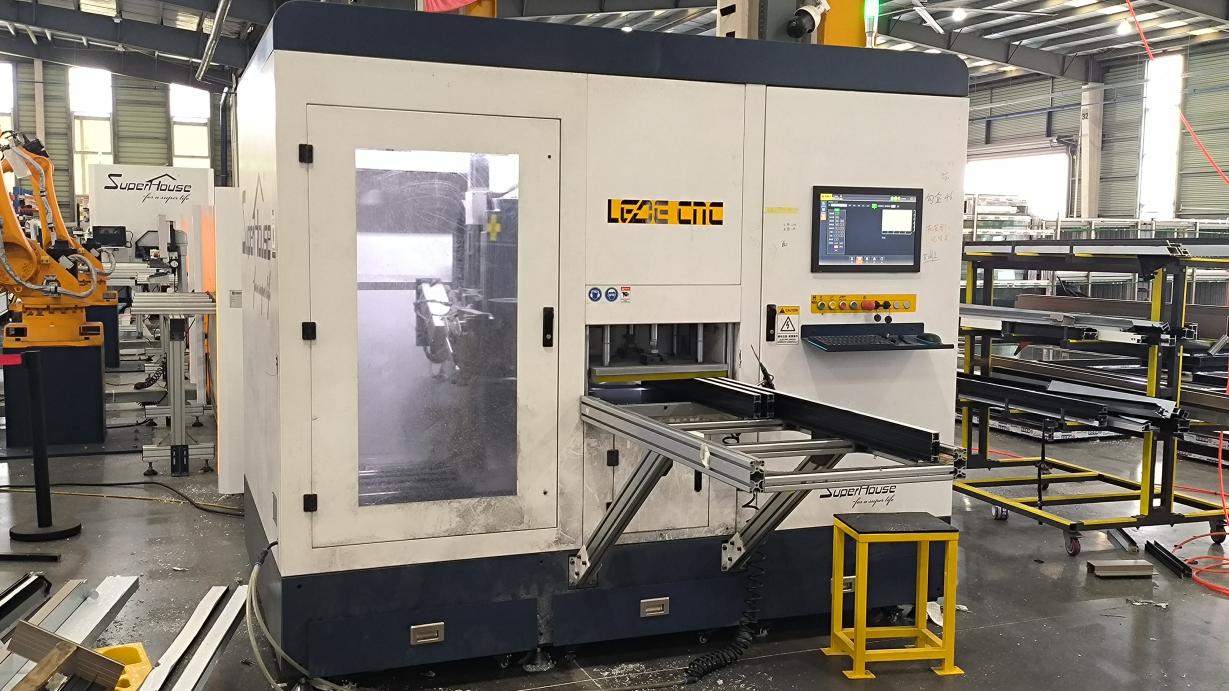 6. 5-Axis CNC Machining Center
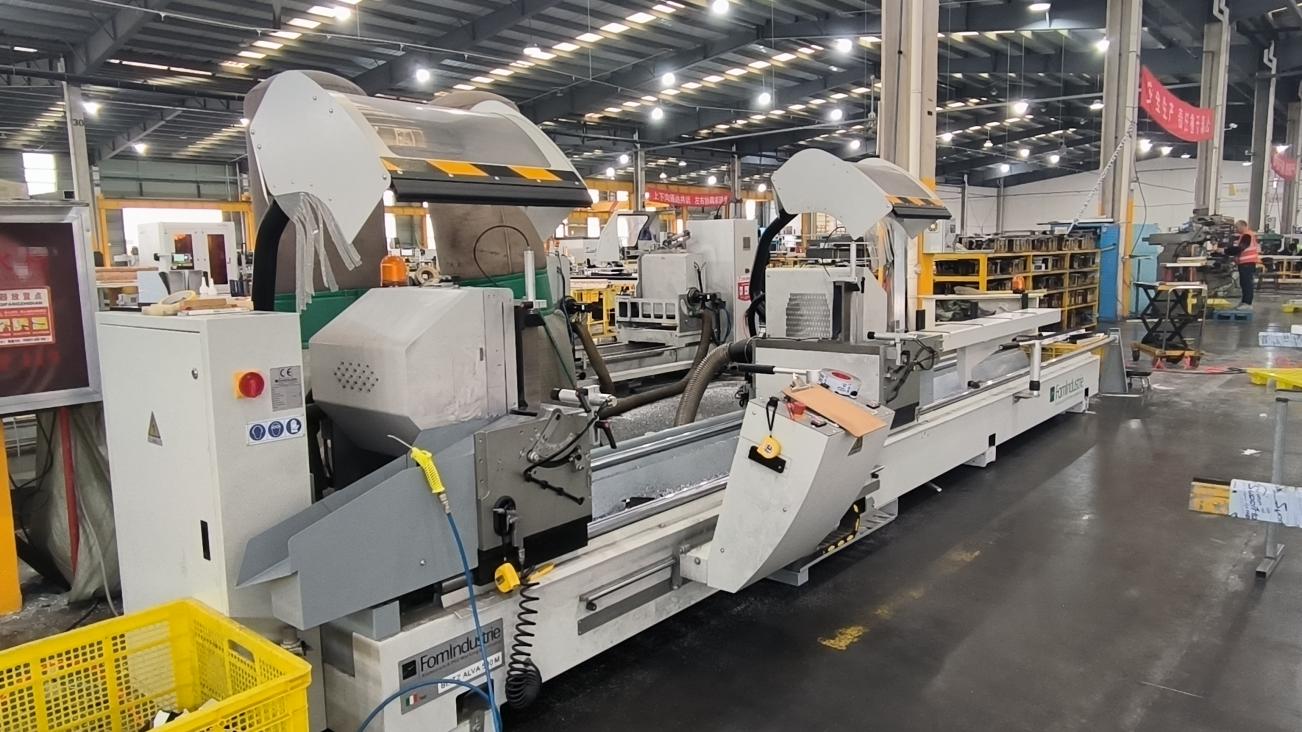 7. Thermal Break Cutting
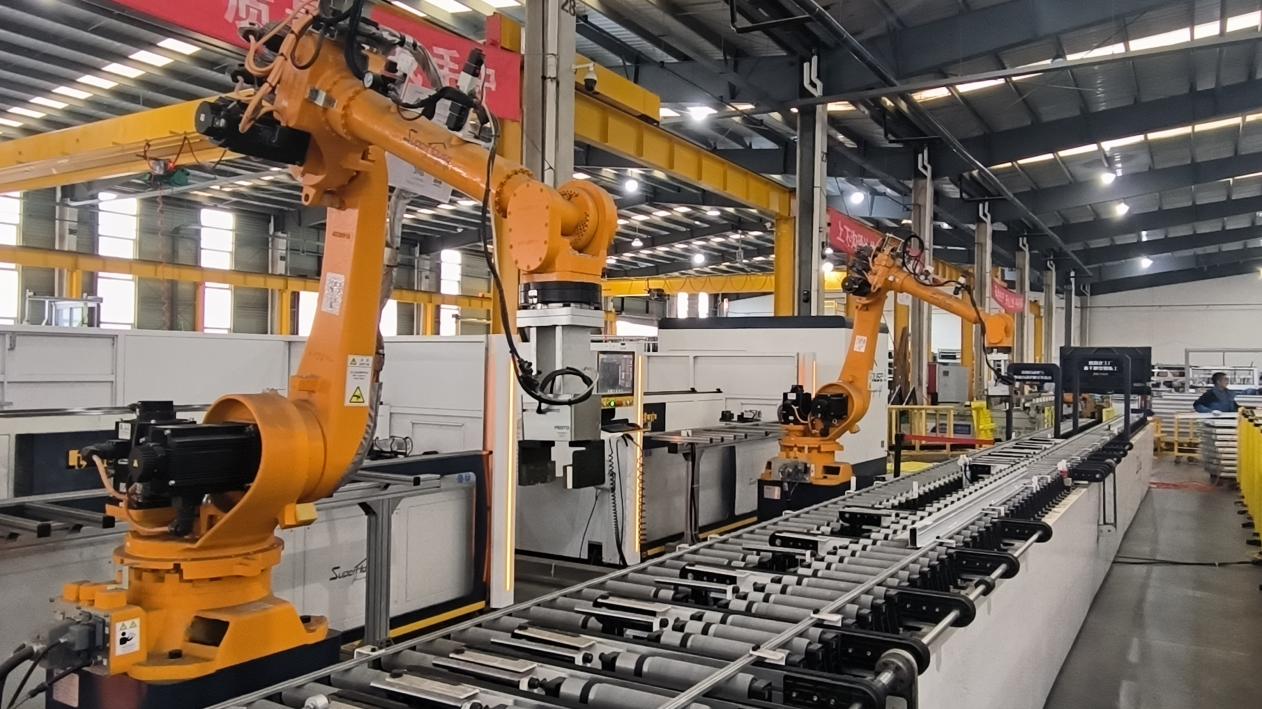 8. Intelligent Sorting Line
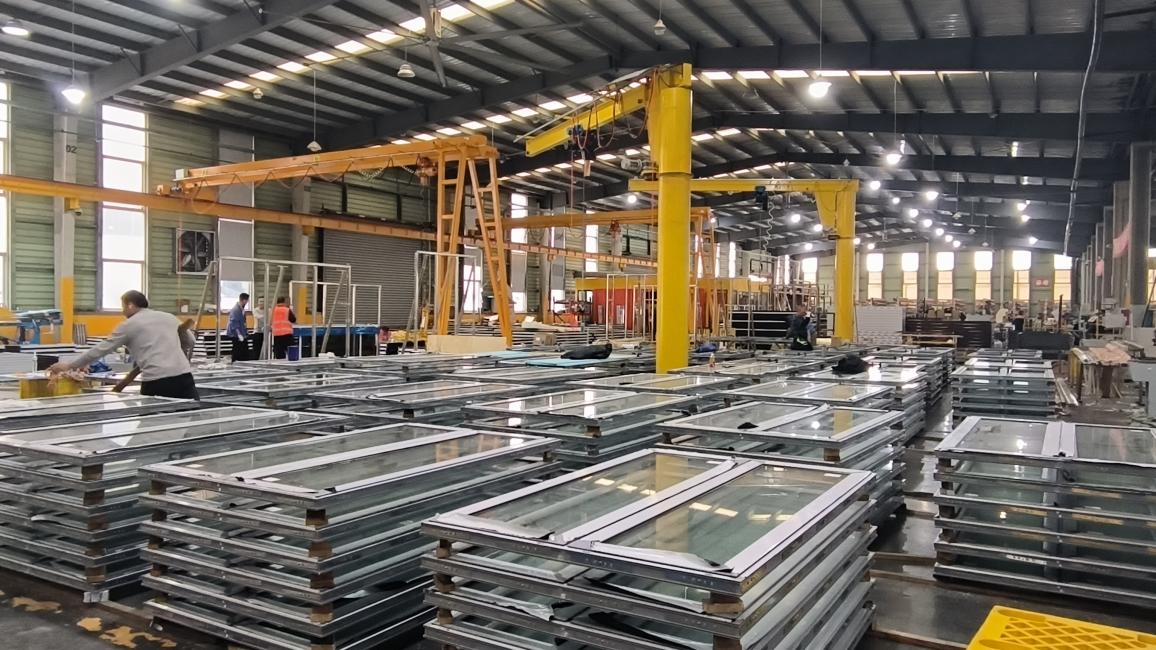 9. QA Checking & Packing
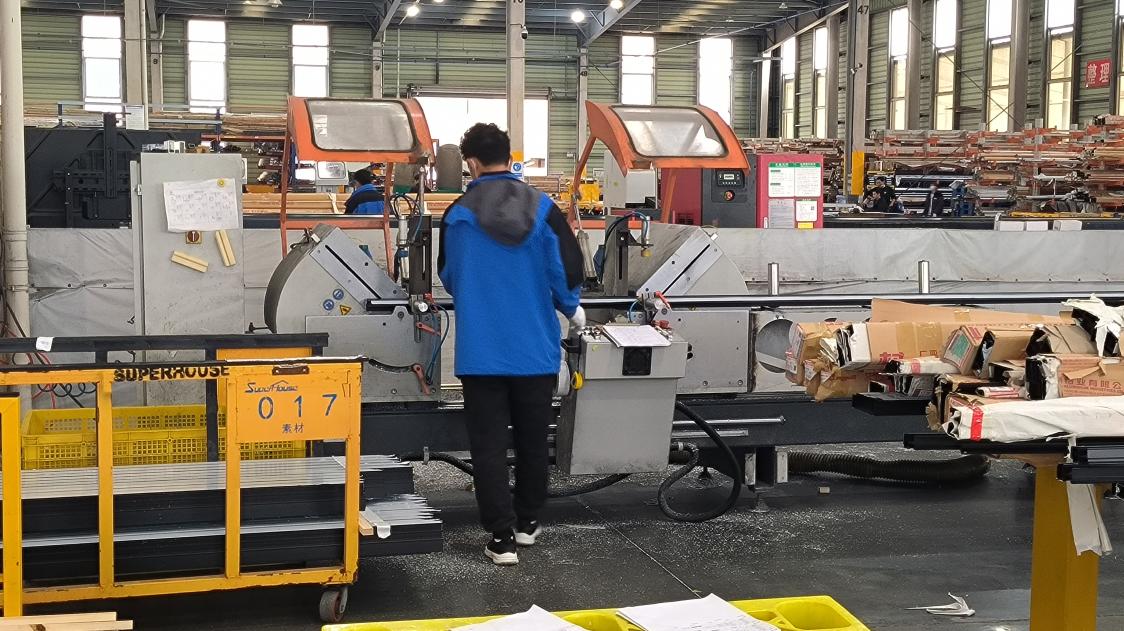 10. Heavy Sawing Equipment
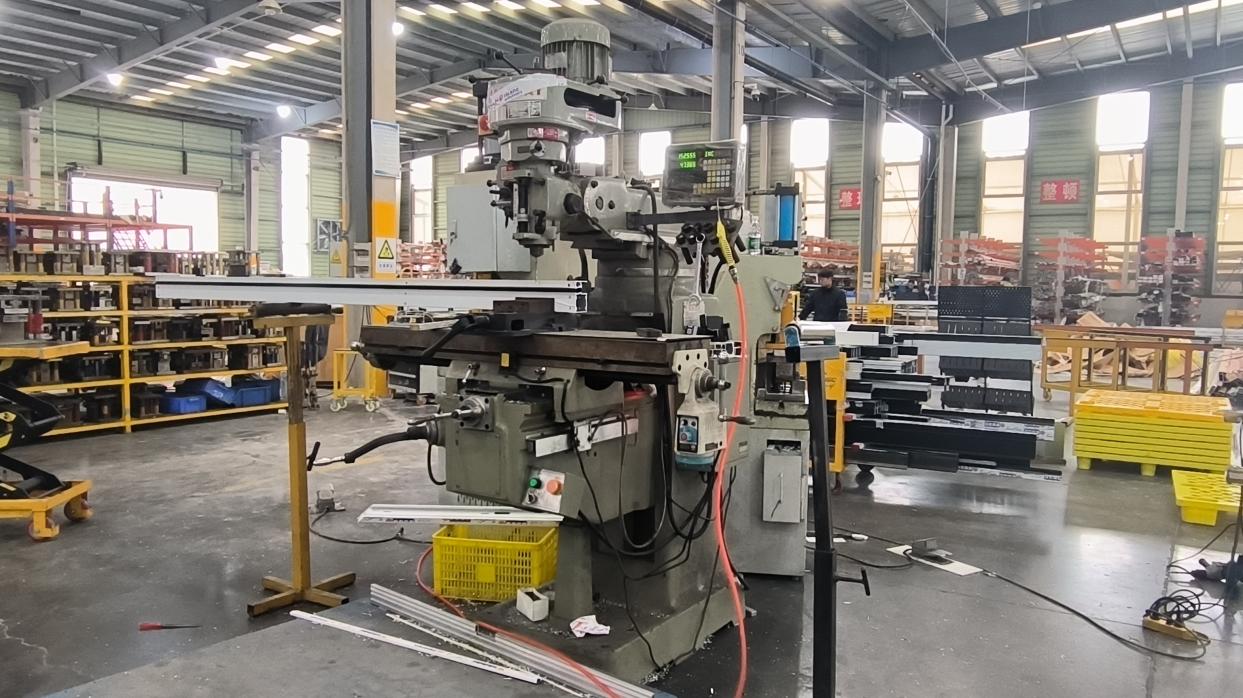 11. Multi-Axis Milling Machine
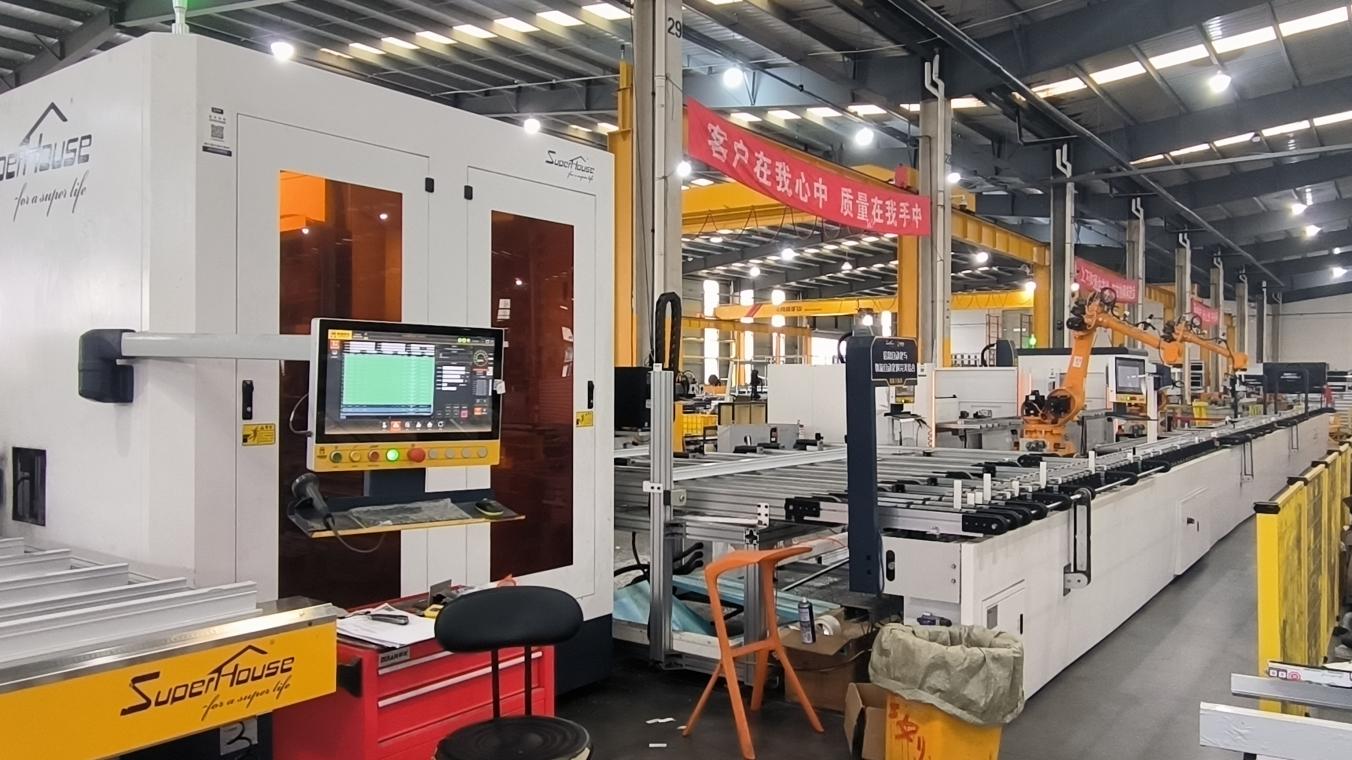 12. Industrial CNC Milling
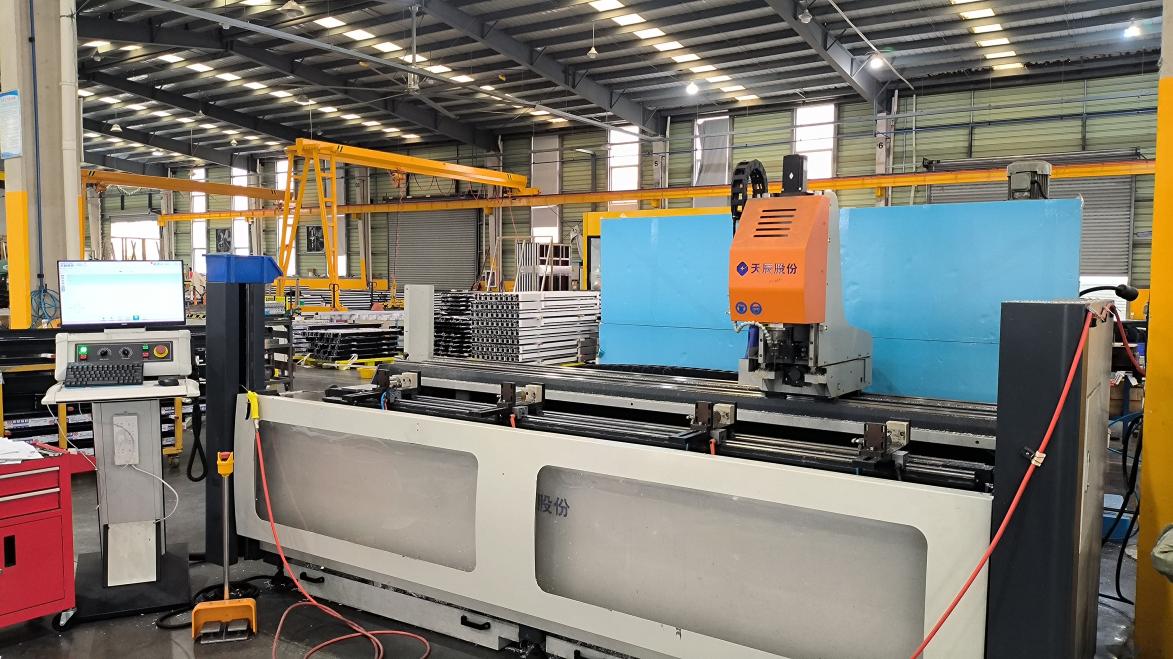 13. High-Precision CNC Drilling
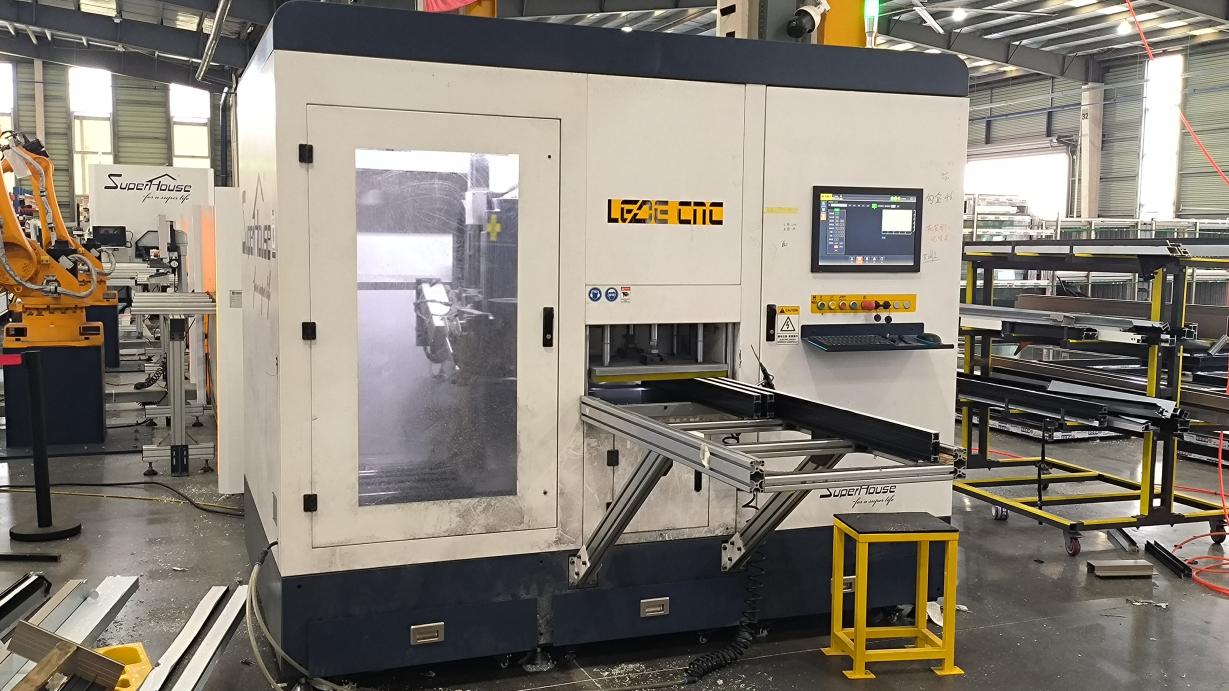 14. Advanced CNC Center Unit
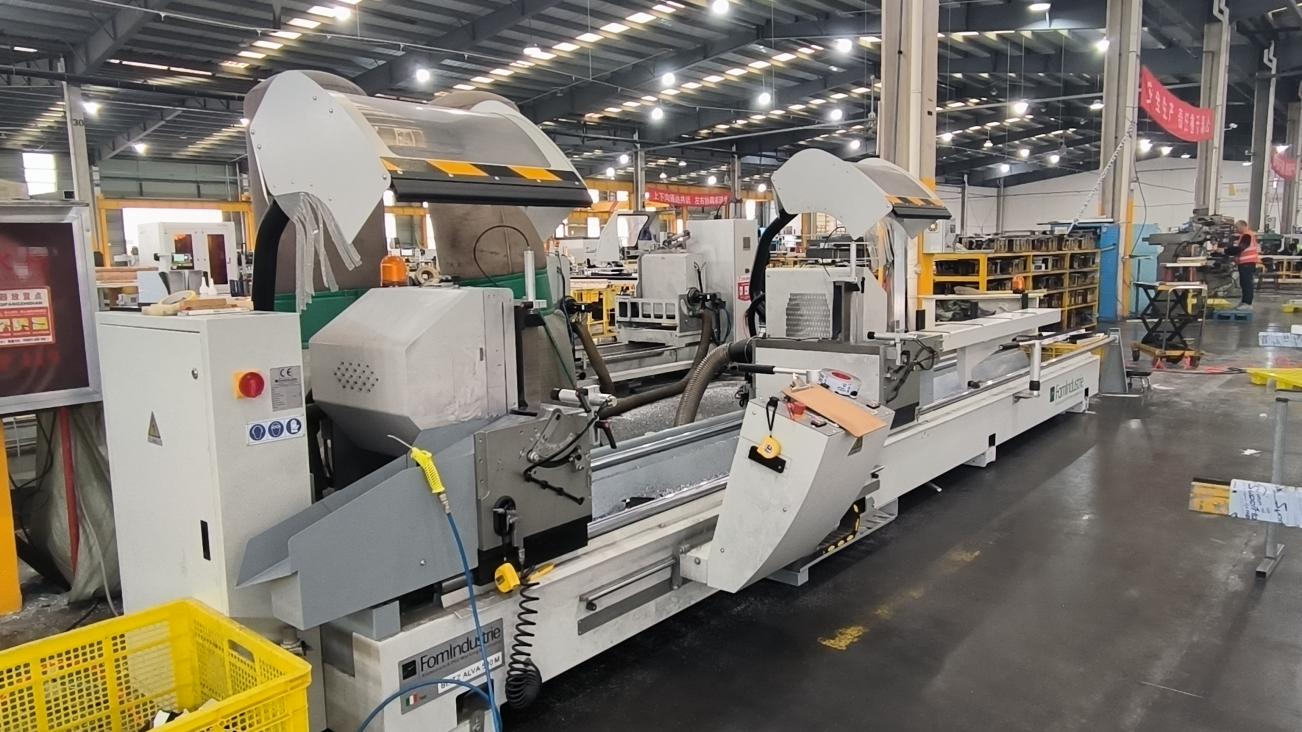 15. Double Head Cutting Saw
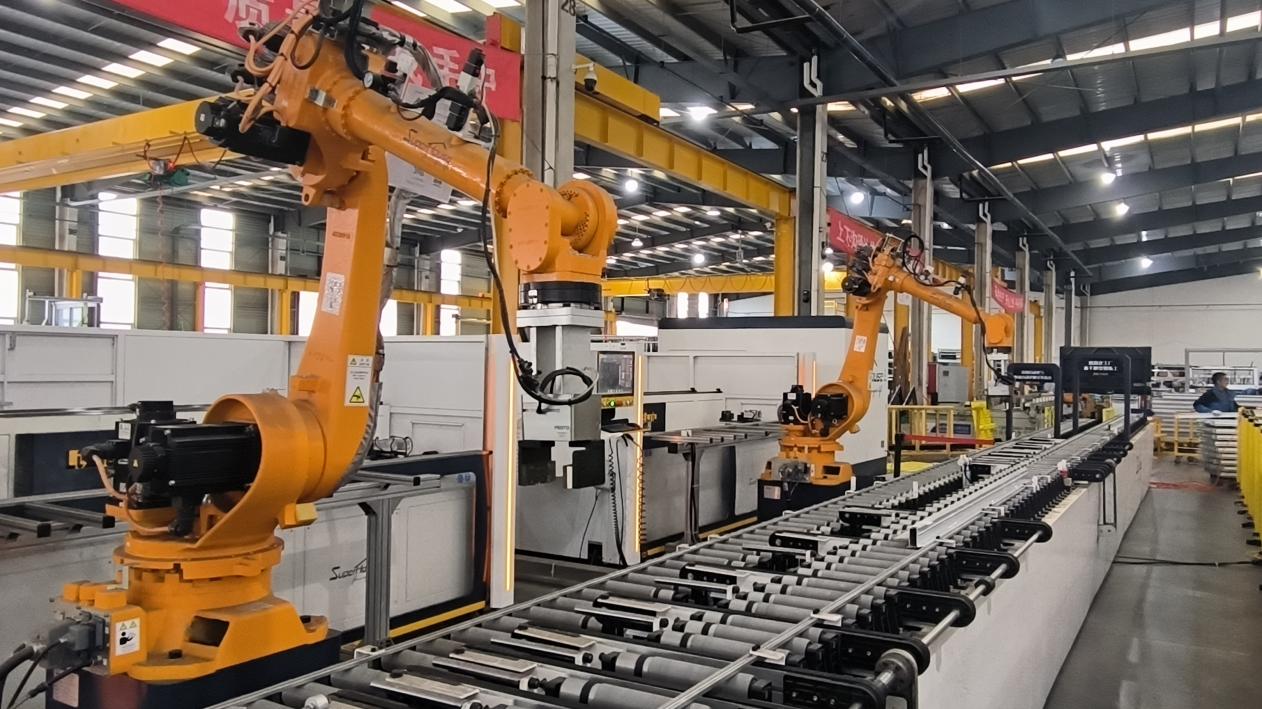 16. Automated Logistics Sorting
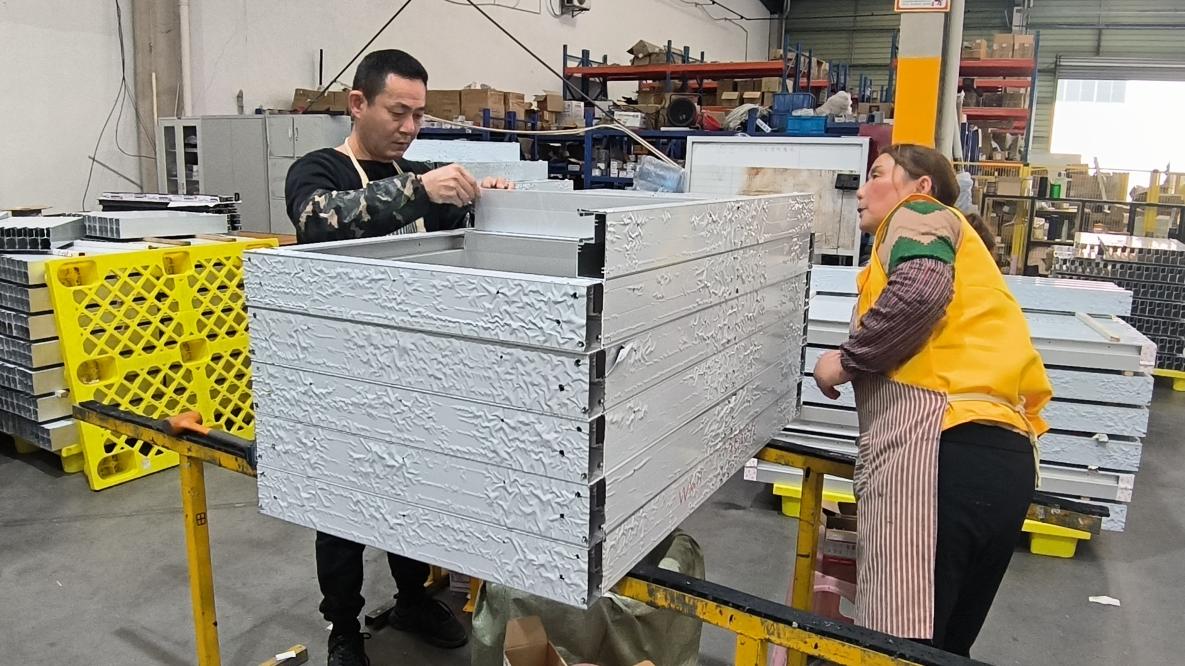 Semi-Finished Inspection Protocol
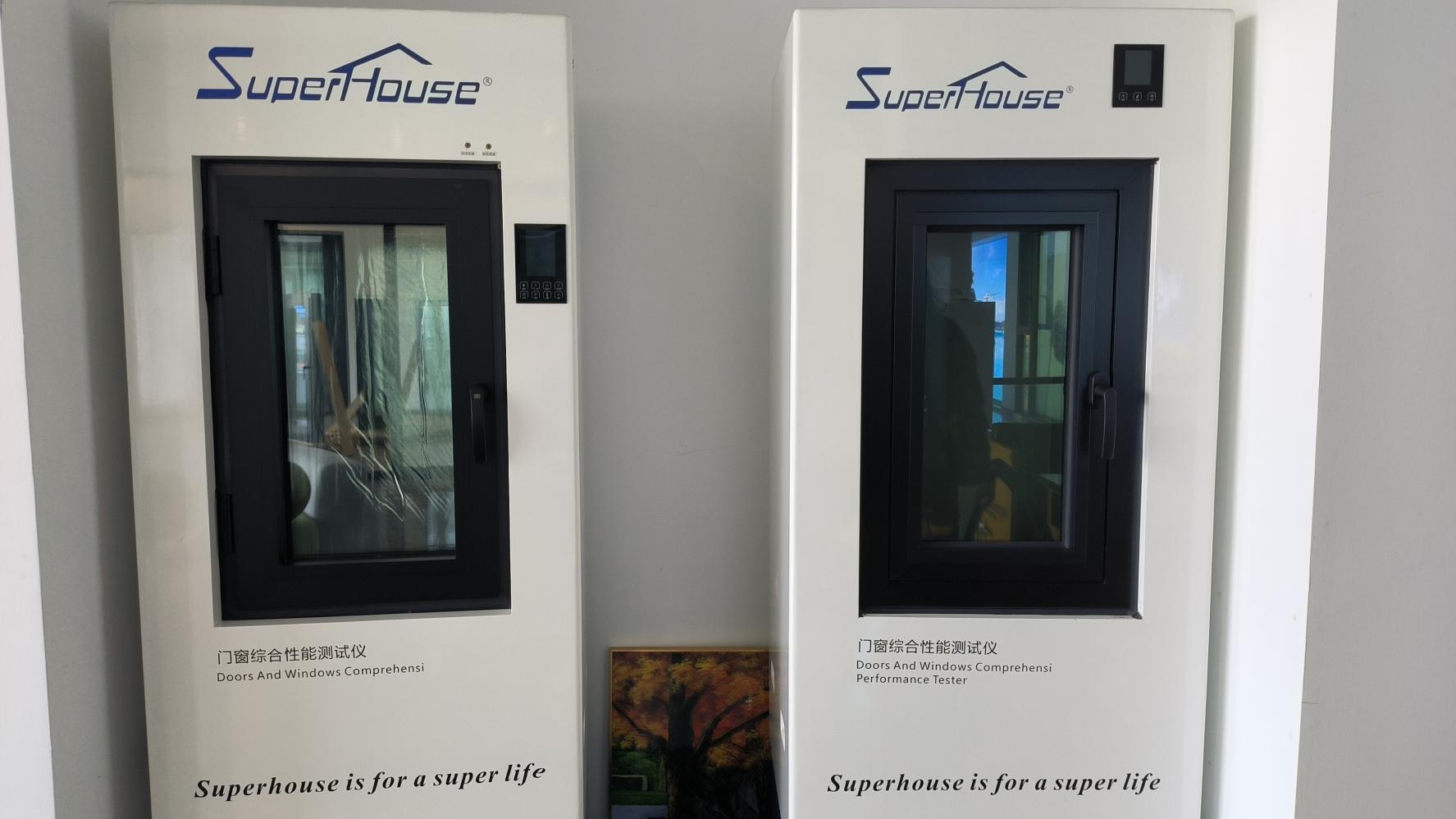 Comprehensive Performance Tester
In-depth engineering of polyamide barriers, glazing technologies, and smart access integration.
The core mechanism of a thermal insulated aluminum door lies in its thermal barrier. Grandex utilizes 25% glass fiber reinforced polyamide (PA66 GF25) strips crimped tightly between interior and exterior aluminum extrusions. Polyamide's thermal expansion coefficient closely matches that of aluminum (2.4 × 10⁻⁵ /K), preventing structural shearing, strip loosening, or air leakage under extreme temperature fluctuations ranging from -40°C to +80°C.
Glass constitutes over 70% of an opening's total surface area. Grandex OEM offerings integrate multi-pane IGUs featuring Low-Emissivity (Low-E) soft coatings, warm-edge composite spacers (such as Technoform or Swisspacer), and 90%+ pure Argon gas filling. For ultra-quiet and passive-house level performance, triple glazing combined with laminated acoustic interlayers (PVB/SGP) delivers sound reduction indices exceeding Rw 42 dB while keeping overall U-factors well within stringent green-building benchmarks.
Addressing modern commercial and luxury residential security trends, our engineering department integrates biometric 3D face recognition systems, smart RFID entry, electric multi-point motor locks, and remote app-controlled access. Modern architectural doors no longer merely isolate temperatures—they act as active security gateways designed to withstand both physical forced entry and adverse environmental factors.
To resist saline sea air, ultraviolet radiation, and industrial atmospheric pollutants, profile surfaces undergo comprehensive pretreatments followed by electrostatic spraying of PVDF (polyvinylidene fluoride) resins, powder coatings certified to AAMA 2604/2605, or high-micron anodic oxidation. This guarantees dynamic color retention and resistance to chalking for over 25 years in harsh climate zones.
Tailored structural fenestration matrices addressing micro-climates, wind loads, and building codes globally.
Focuses on high-velocity hurricane zones (HVHZ) requiring Miami-Dade NOA approval and NFRC energy ratings. Doors feature laminated impact glass with DuPont SGP interlayers, reinforced heavy-duty wall profiles, and multi-point locking systems designed to withstand cyclic wind pressures exceeding 90 psf.
Demands low U-values compliant with Passive House standard requirements. Utilizes ultra-wide polyamide thermal breaks (34mm+), triple Low-E argon-filled glass units, concealed hinges, and secondary EPDM continuous seals to achieve maximum airtightness (Class 4 EN 12207).
Requires high SHGC control and heat rejection. Incorporates solar-reflective double glazing, high-durability PVDF coatings resistant to sand abrasion, and specialized thermal break barriers designed to block extreme radiant heat transfer during ambient peak temperatures exceeding 50°C.
In-depth responses covering procurement, customization, thermal performance testing, and engineering support.
Grandex utilizes high-grade 6063-T5 or 6063-T6 architectural aluminum extrusion alloys, offering optimal mechanical strength, corrosion resistance, and surface finish capability. For thermal insulation, we exclusively integrate imported or premium-grade Polyamide 66 with 25% glass fiber reinforcement (PA66 GF25). This ensures structural stability, matching thermal expansion rates, and prevents long-term profile shear failure under thermal strain.
Supported by an R&D team of 85 specialized engineers, Grandex provides full OEM/ODM manufacturing customization. We assist B2B clients through customized profile die extrusion, custom hardware routing, CAD/BIM drawing development, bespoke color matching (RAL, PVDF, Wood Grain), structural thermal simulations, and custom glass layup configurations designed to meet specific regional building codes.
Our product series undergo rigorous internal testing and third-party validation. Depending on the target region and system selection, our products comply with North American NFRC thermal standards, Miami-Dade NOA hurricane impact regulations, Florida Product Approval (FPA), Australian AS2047 / AS2208 certifications, European CE markings, and ISO 9001 internal quality control frameworks.
Our thermal break door configurations can achieve overall U-factors ranging from 0.20 to 0.35 BTU/h·ft²·°F (approx. 1.1 to 1.9 W/m²K), depending on glass specification (double Low-E vs. triple Low-E argon-filled IGUs) and thermal break width. Solar Heat Gain Coefficients (SHGC) can be tailored from 0.15 to 0.50 to meet cold-climate heating or warm-climate cooling optimization targets.
Our 45-member QA team implements strict statistical process control (SPC) across all manufacturing phases. This includes spectrographic raw material inspection, automated CNC machining tolerance verification, thermal strip crimping pull-out strength testing, IGU dew-point and leak testing, powder coating cross-hatch adhesion testing, and 100% pre-shipment assembly inspection on hardware operations.
Standard OEM production lead times typically range from 25 to 35 days post-approval of shop drawings and technical specifications. Custom die-extrusion creation for new profiles requires an additional 10-15 days. Express manufacturing protocols are available for large-scale real estate projects to align with tight construction schedules.
Explore our specialized range of emergency escape, ultra-narrow minimalist, and hurricane impact insulated solutions.
 Grandex Door