Explore our curated selection of certified high-thermal-efficiency entrance solutions and impact-resistant fenestration systems tailored for commercial projects and luxury residential developments.
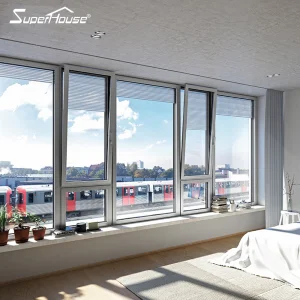
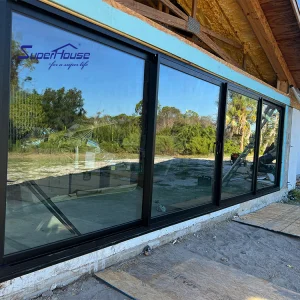
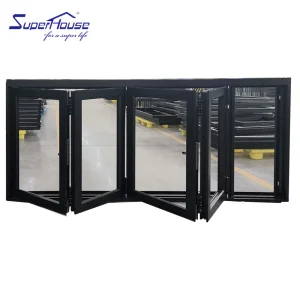
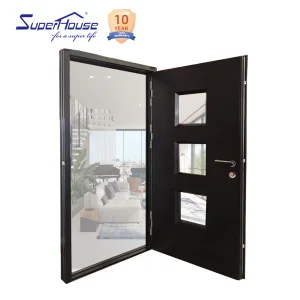
The global building envelope market is undergoing a paradigm shift driven by stringent net-zero carbon mandates, escalating energy costs, and evolving building performance legislation. Entry doors, historically viewed as static architectural access points, are now recognized as critical thermal boundaries responsible for up to 35% of total structural heat exchange if improperly specified. In modern sustainable architecture, thermal performance, structural integrity, and aesthetic design must converge seamlessly.
Governments across North America, Western Europe, and Asia-Pacific have implemented aggressive updates to energy codes. The International Energy Conservation Code (IECC), California's Title 24, and the European Union's Energy Performance of Buildings Directive (EPBD) now mandate strict performance ceilings on U-Factors and Solar Heat Gain Coefficients (SHGC). As a result, commercial developers and residential general contractors no longer evaluate entrance systems purely on material cost, but on long-term lifecycle savings, carbon offset metrics, and compliance certifications like NFRC (National Fenestration Rating Council), AAMA (American Architectural Manufacturers Association), and Energy Star 7.0.
Measures the rate of heat transfer through the door assembly. Top-tier manufacturers achieve overall U-Factors below 0.80 W/m²K (0.14 BTU/h·ft²·°F) using advanced structural thermal breaks and polyisocyanurate core insulations.
Uncontrolled air leakage dramatically penalizes HVAC load efficiency. High-performance entry door systems employ continuous multi-gasket continuous weatherstripping (EPDM/TPV) to achieve Class 4 EN 12207 tightness ratings.
Modern thermal doors must simultaneously withstand extreme wind pressures and projectile impact requirements, such as Florida's Miami-Dade County NOA standards, without compromising thermal break integrity.
Selecting an OEM/ODM supplier for high-volume building projects requires thorough technical scrutiny. Our benchmarking methodology analyzes manufacturing plants based on six core technical competencies:
| Evaluation Parameter | Industry Baseline | Top 10 Tier-1 Manufacturer Standard | Architectural Business Impact |
|---|---|---|---|
| Thermal Insulation Tech | Standard polyurethane foam, minimal thermal breaks | Polyamide PA66 GF25 thermal breaks + Aerogel/VIP Cores | Reduces building HVAC thermal loss by up to 42% |
| Testing & Compliance | Self-certified internal quality reports | Third-party NFRC, AAMA 101, AS2047, Miami-Dade NOA | Guarantees seamless municipal building permit approvals |
| CNC Manufacturing Precision | Manual cutting and mechanical assembly | 5-Axis automated CNC centers with 0.1mm tolerance | Ensures perfect airtight seal alignment and zero site refitting |
| Surface Finish Durability | Standard powder coating (AAMA 2603) | Fluoropolymer PVDF / AAMA 2605 Marine-Grade Coating | 30-year zero-fading resistance under extreme UV/Salt Spray |
| Customization Agility | Fixed modular standard sizes only | Full CAD/BIM custom parametric engineering | Fulfills complex architectural design requirements without delay |
| QA / Quality Control Network | Batch sampling inspection (1-2%) | 100% In-line semi-finished & acoustic/airtightness testing | Eliminates field failures and costly post-install warranty claims |
Established in 2014, Grandex Door Solutions Co., Ltd. is a premier entry door manufacturer operating from a modern 35,000 m² facility. With 16 years of industry expertise and 8 years of dedicated export experience, the company generates an annual export revenue of USD 28 million. Grounded in strong OEM and ODM trade backgrounds, our products primarily serve North America and Western Europe, supported by a network of over 1,200 supply chain partners. We cater to leading building material distributors, real estate developers, and commercial contractors. Quality is integral to our operations: supported by strict ISO 9001 certified internal testing and third-party laboratory verification, our 45-member QA team ensures rigorous quality control throughout production. Driven by an active R&D division with 85 specialized engineers, we introduced 120 new door designs last year and offer full custom solutions spanning custom dimensions, security locks, surface finishes, and decorative glass panels.
Below is an overview of our state-of-the-art automated manufacturing workflow, engineered to deliver ultra-precise architectural tolerances across all product lines:
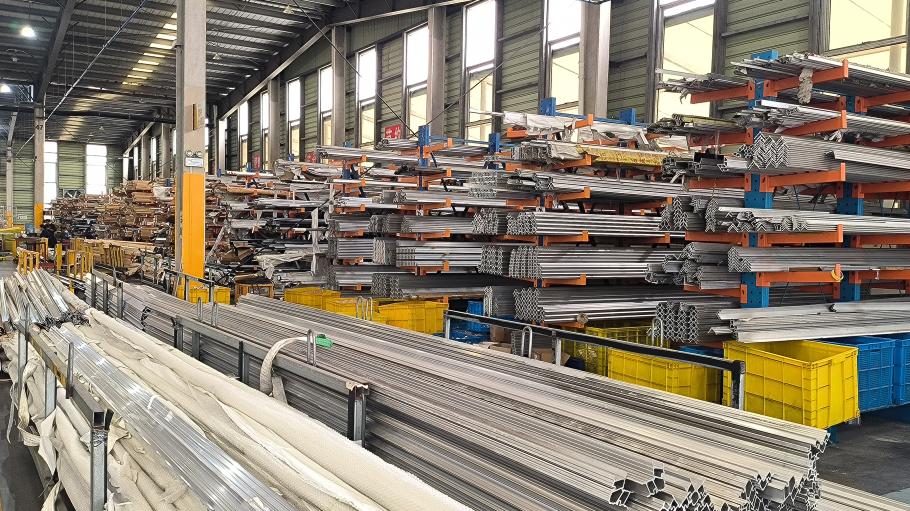 Raw materials
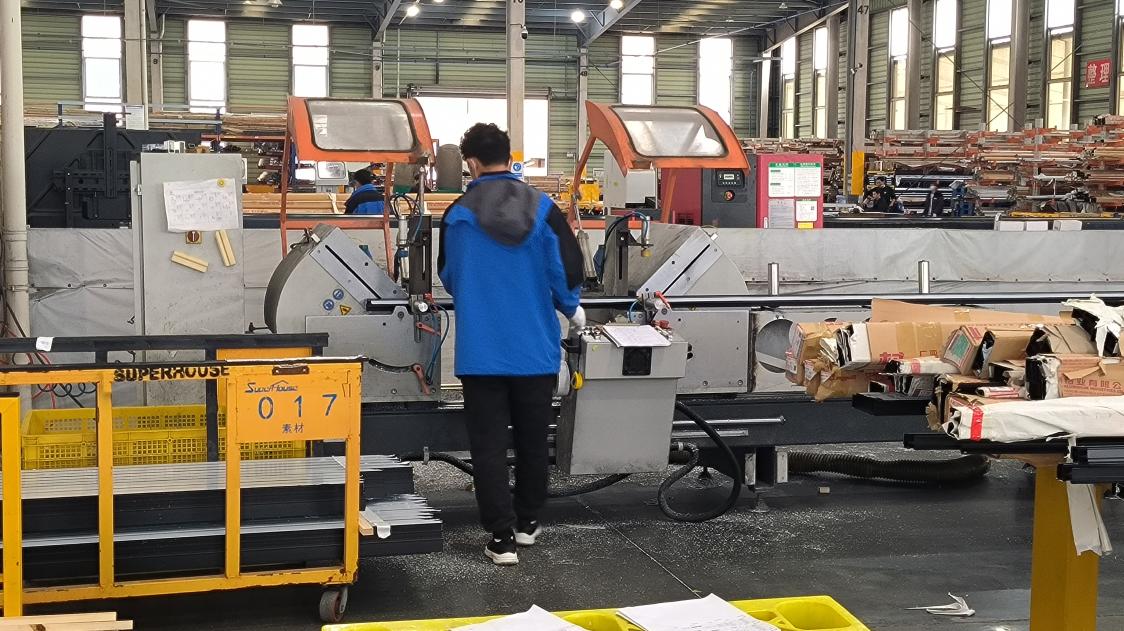 Sawing
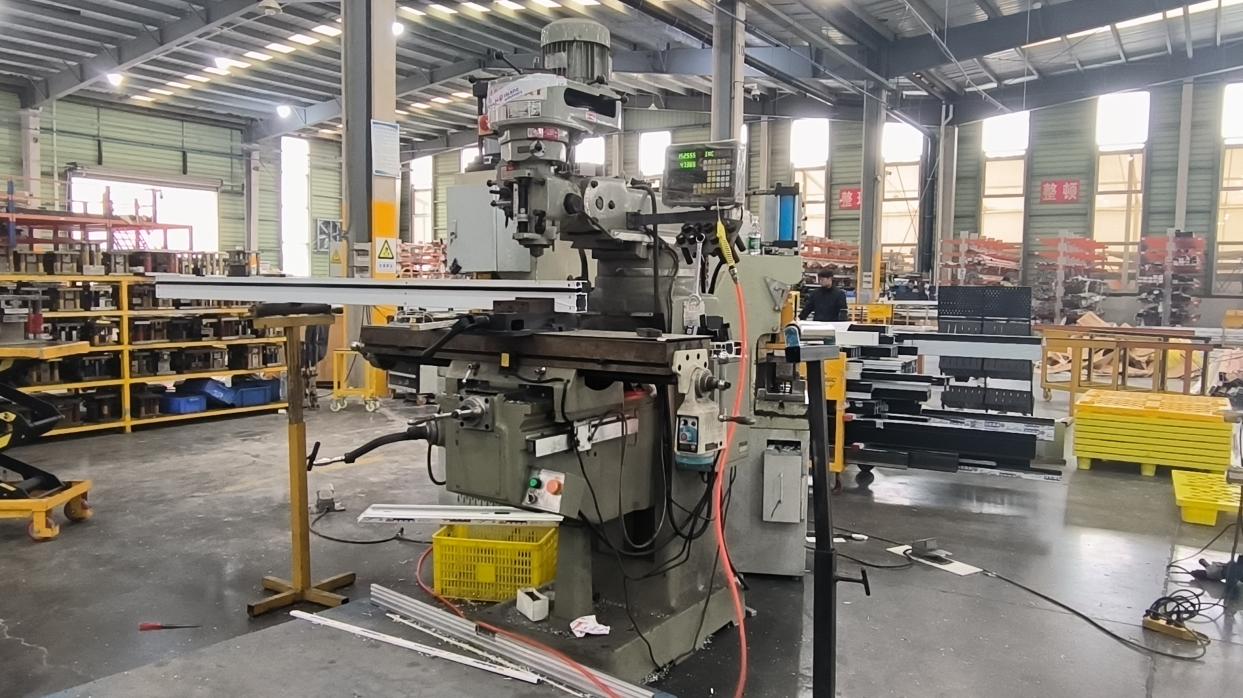 Milling
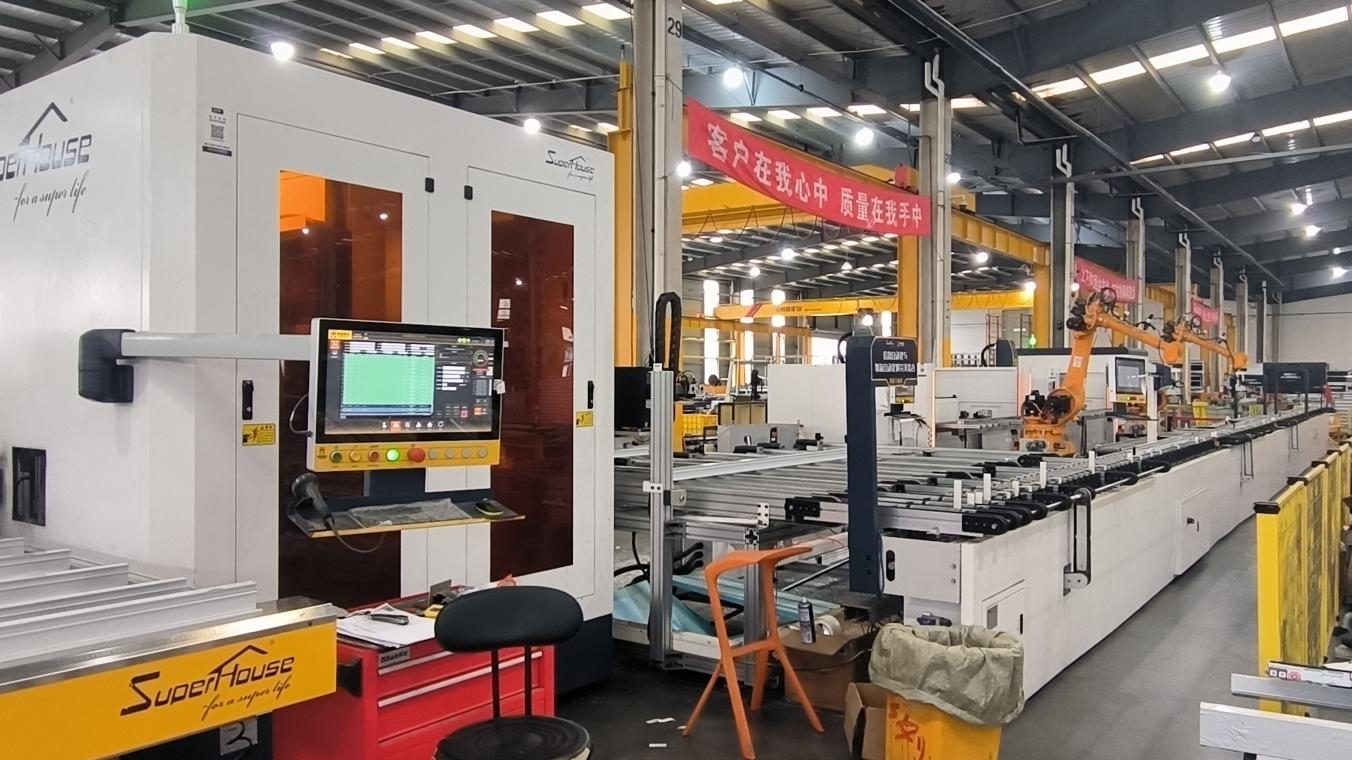 CNC Milling
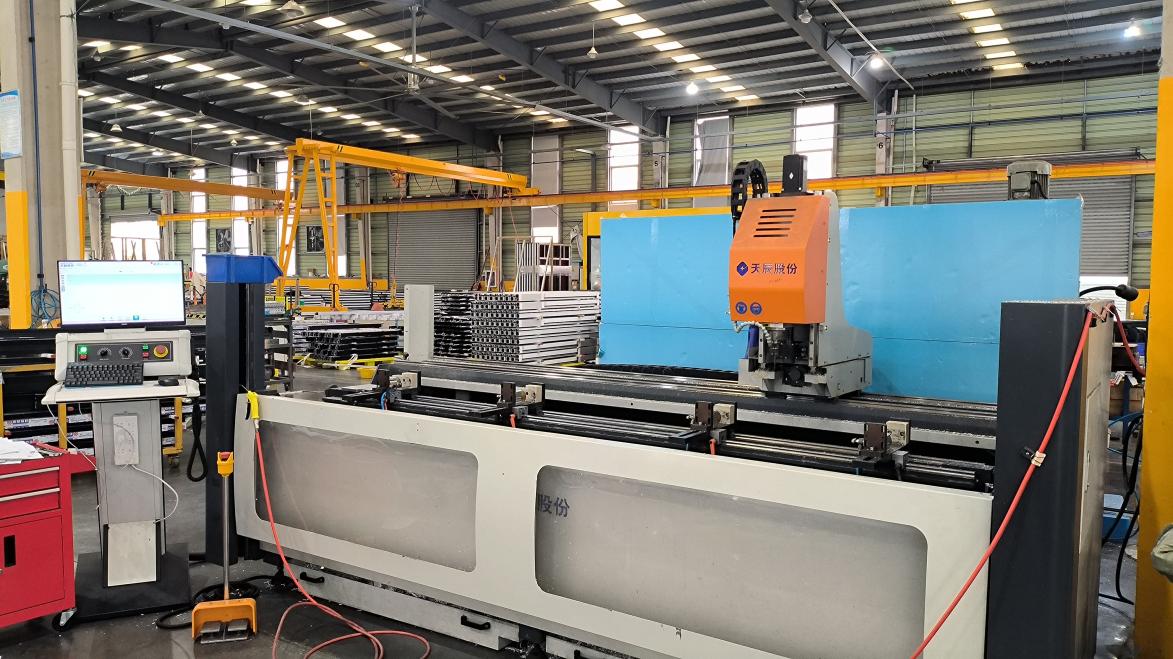 CNC Drilling
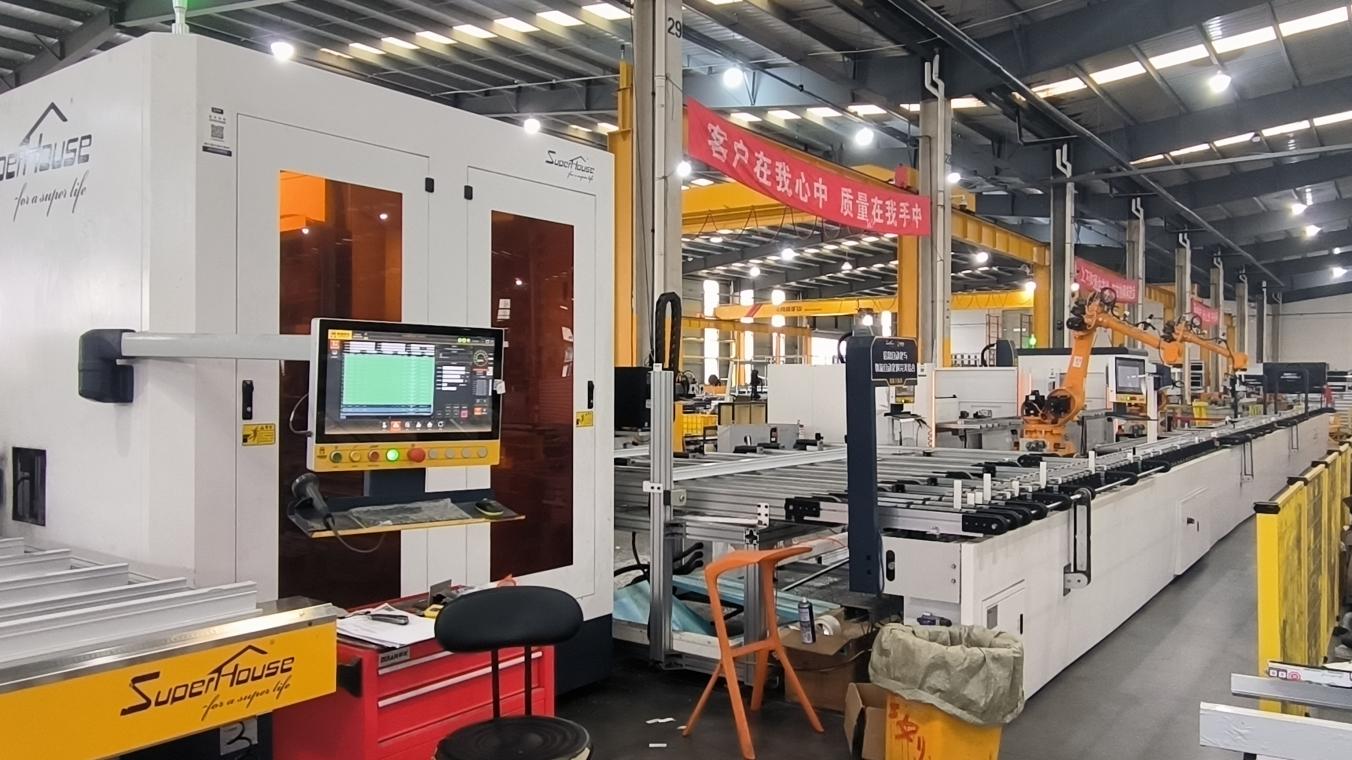
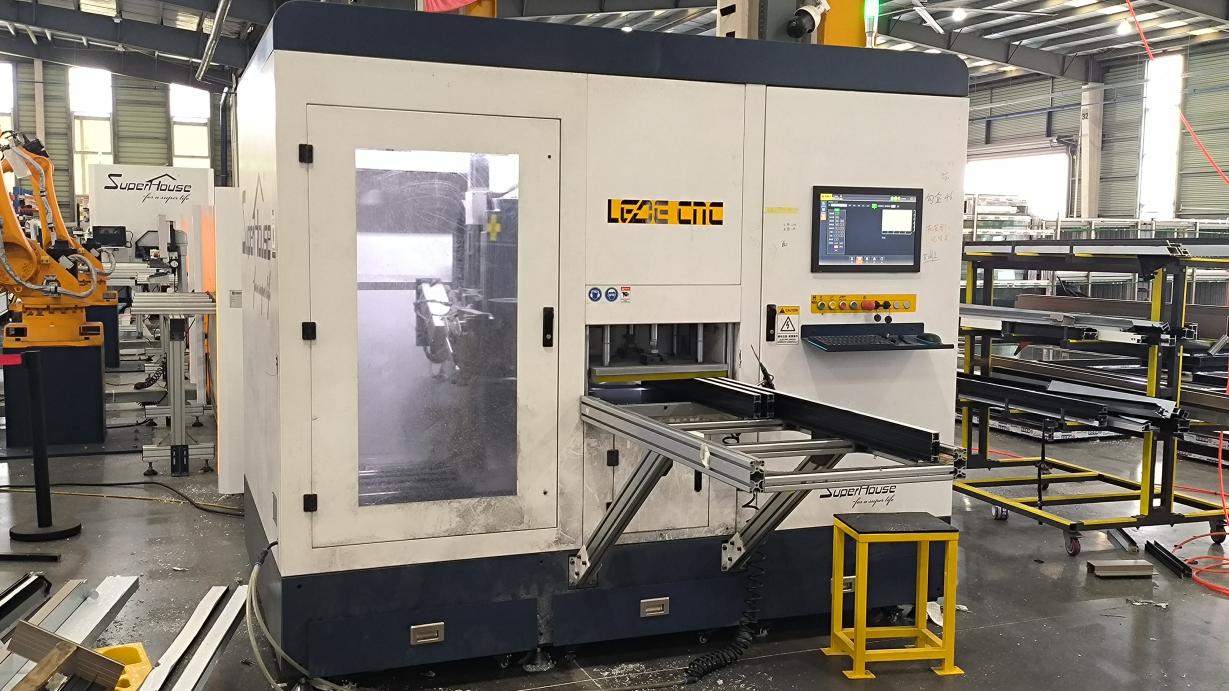 CNC Center
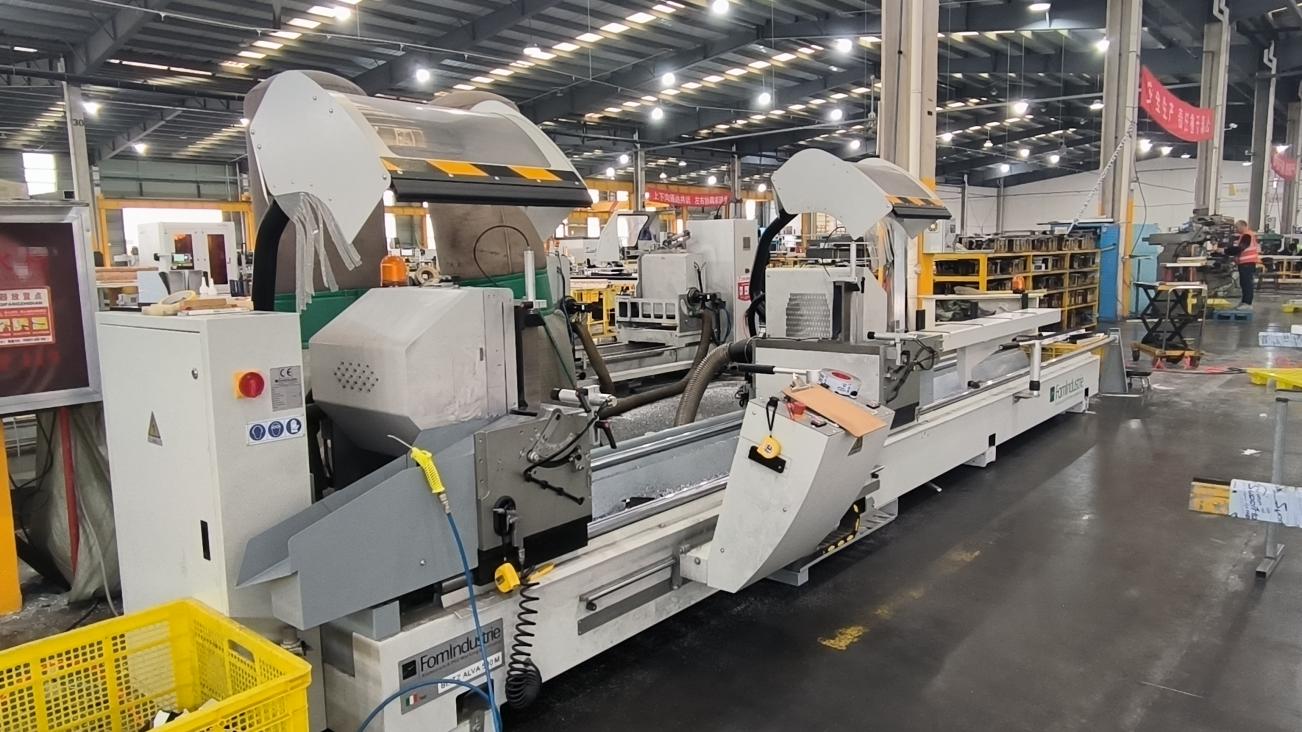 Cutting
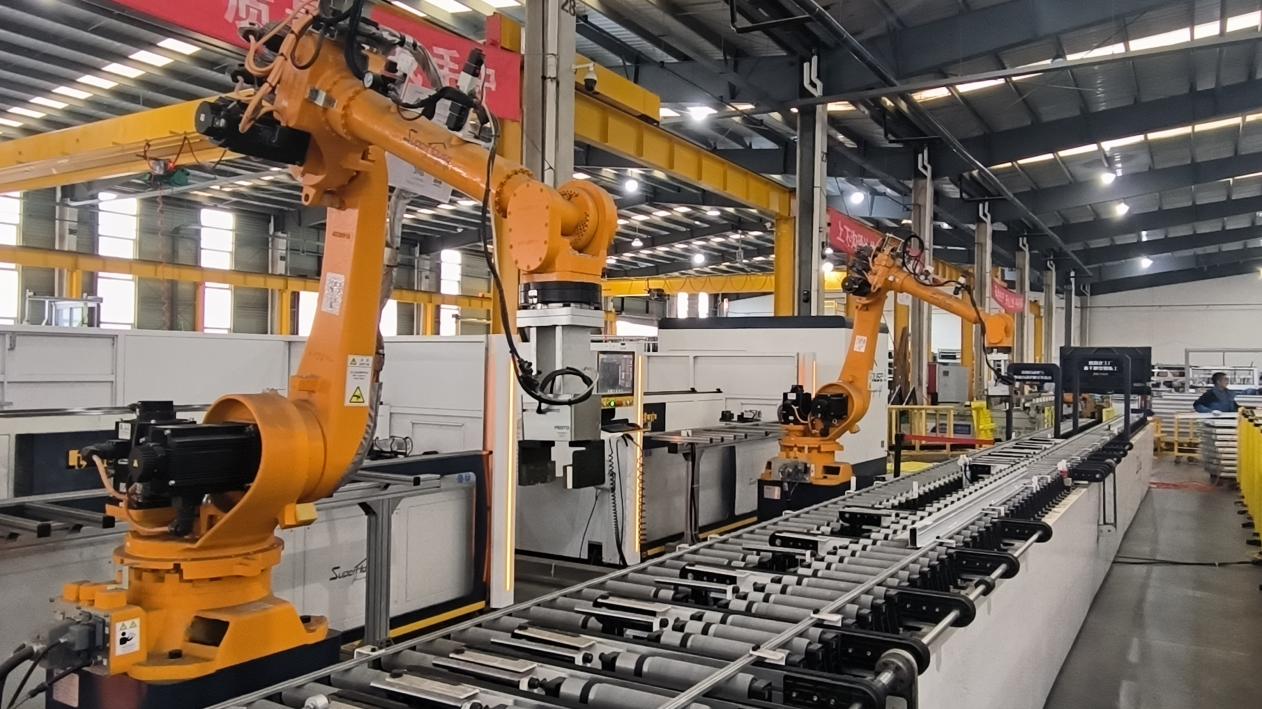 Intelligent Sorting
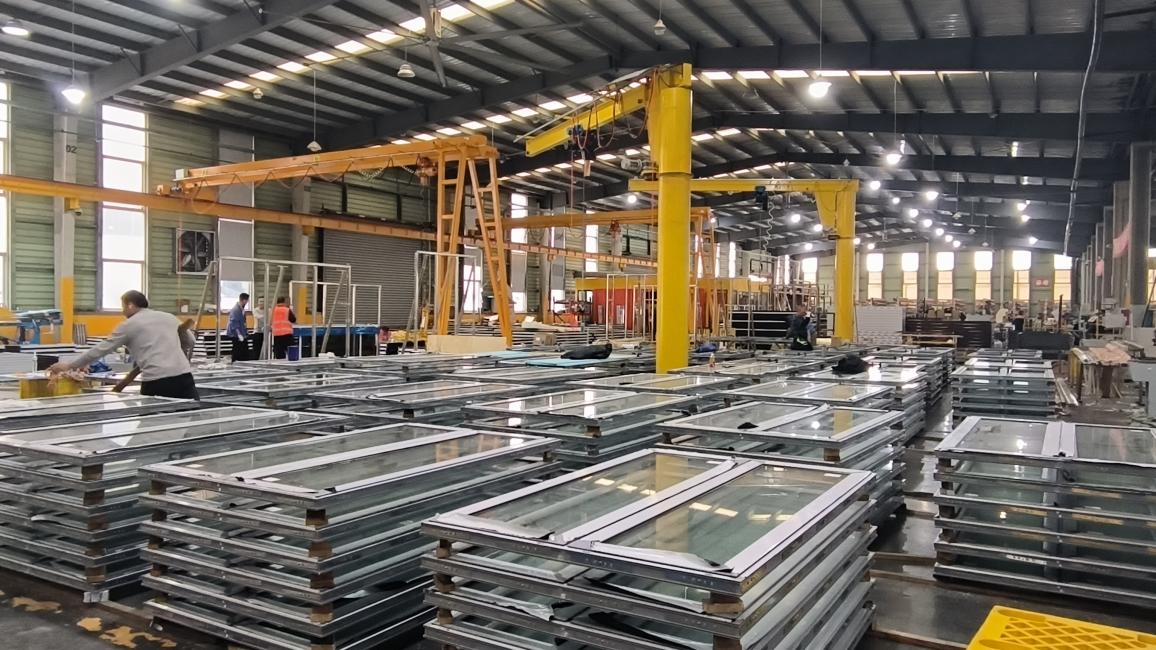 Checking and Packing
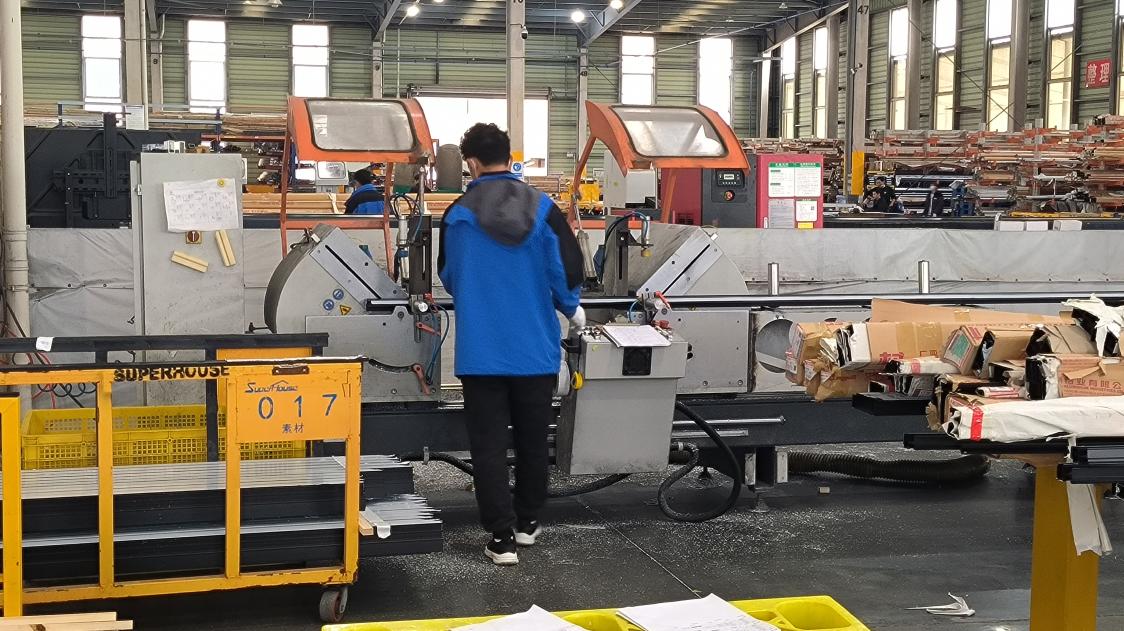 Sawing Machine
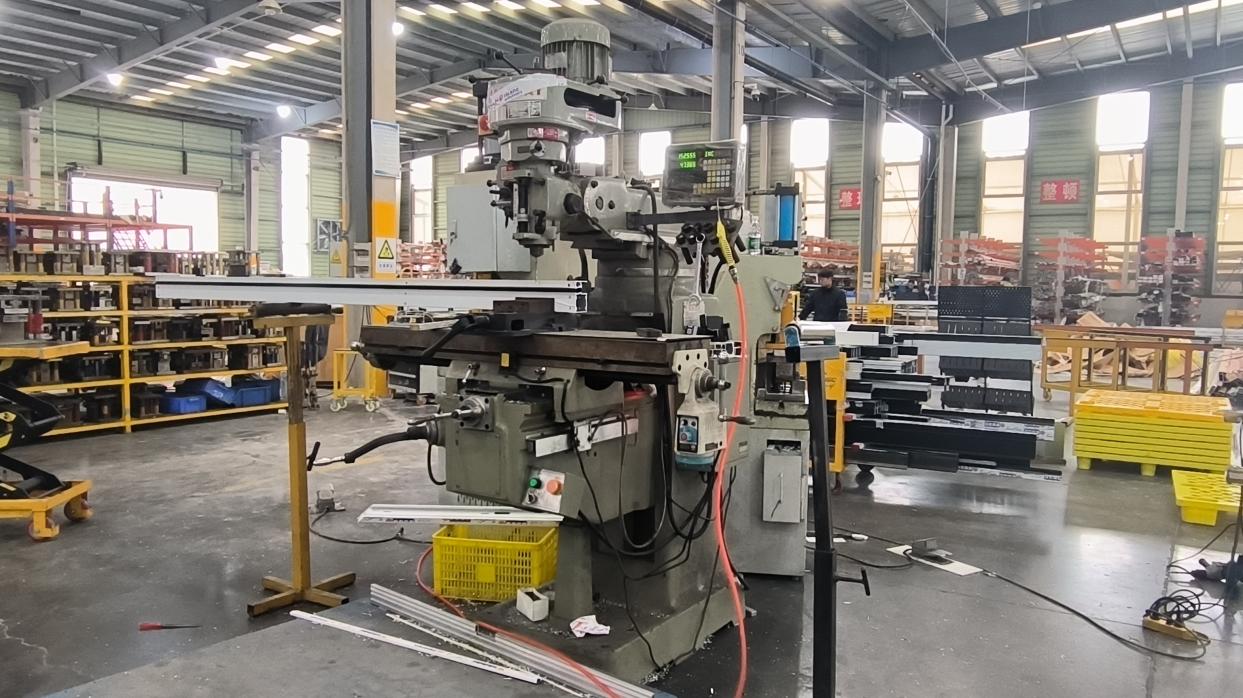 Milling Machine
 CNC Milling Machine
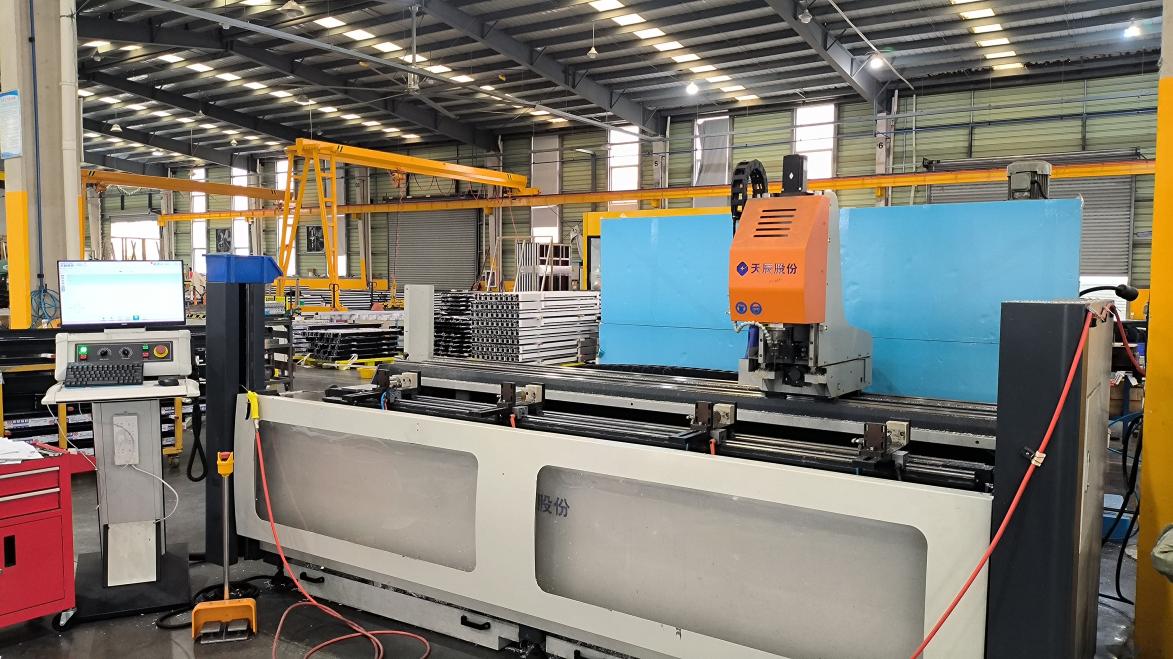 CNC Drilling Machine
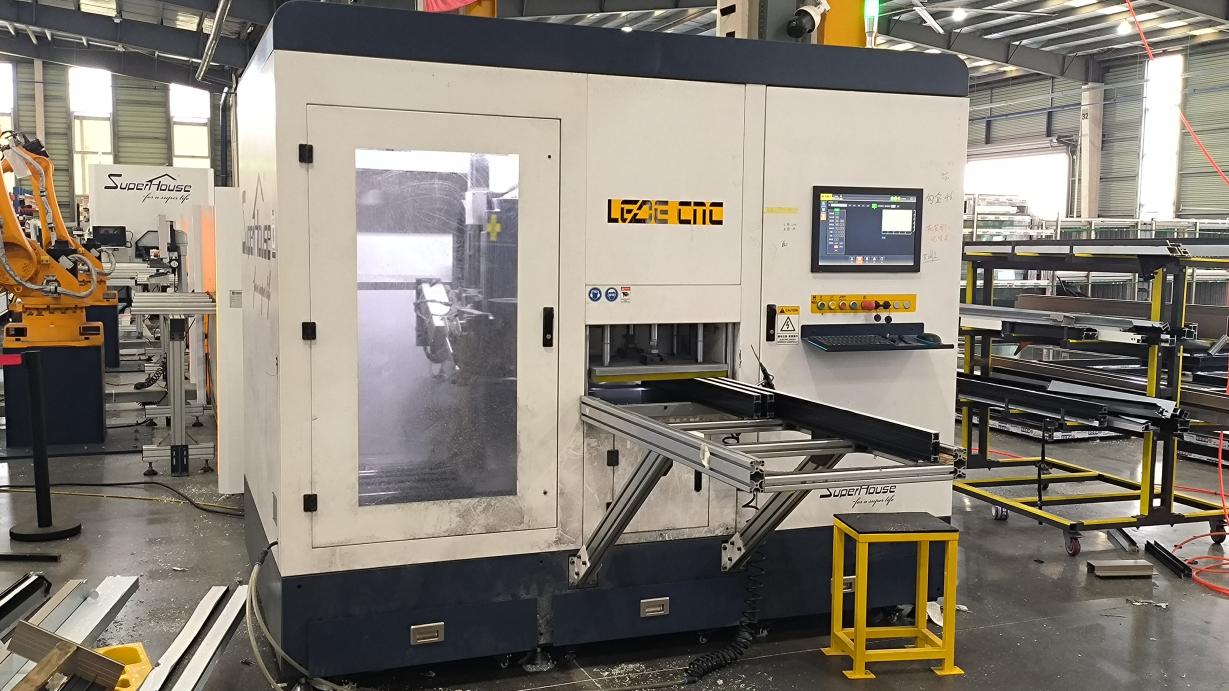 CNC Center Machine
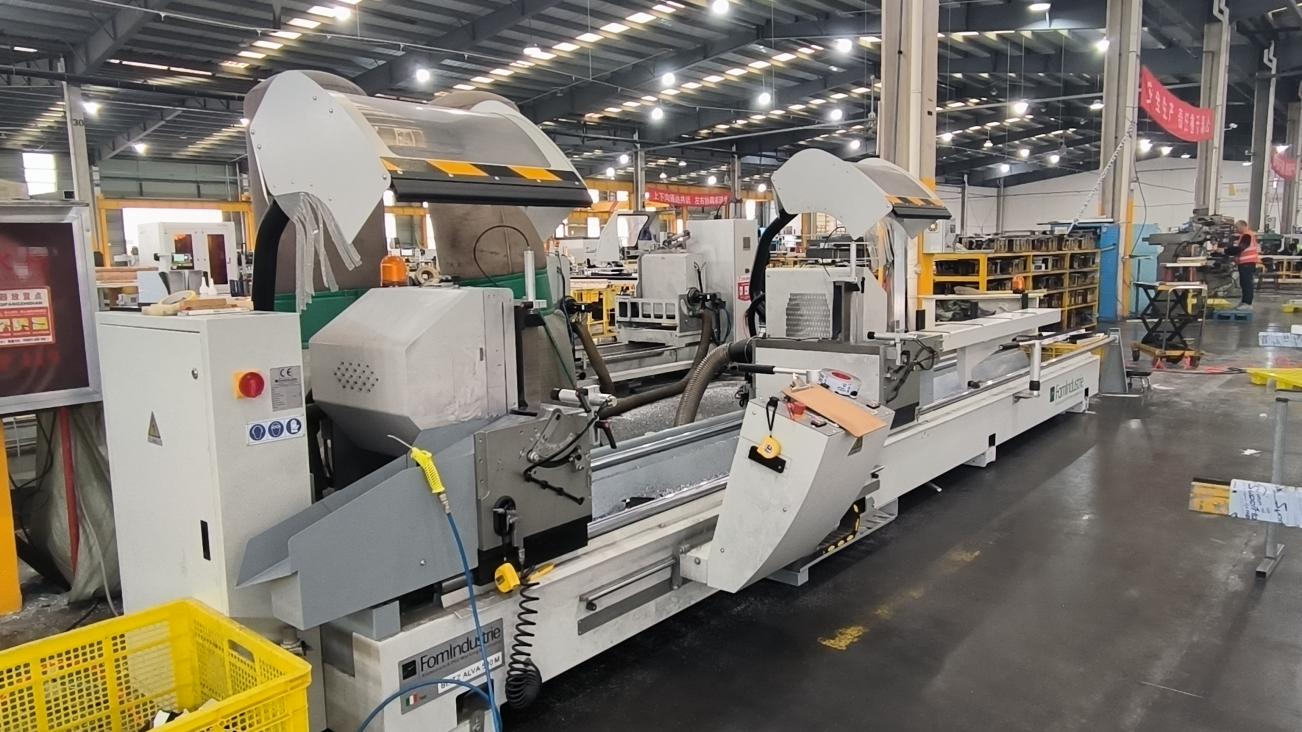 Double Head Cutting Saw
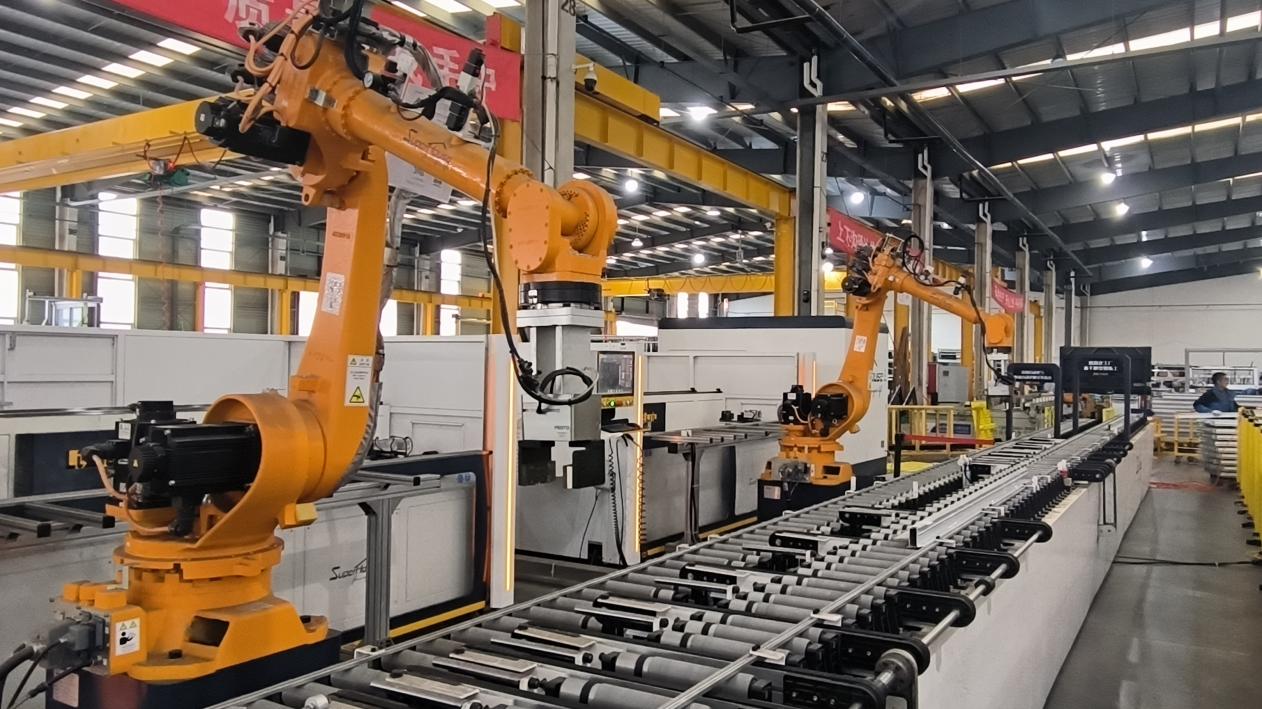 Intelligent Sorting Line
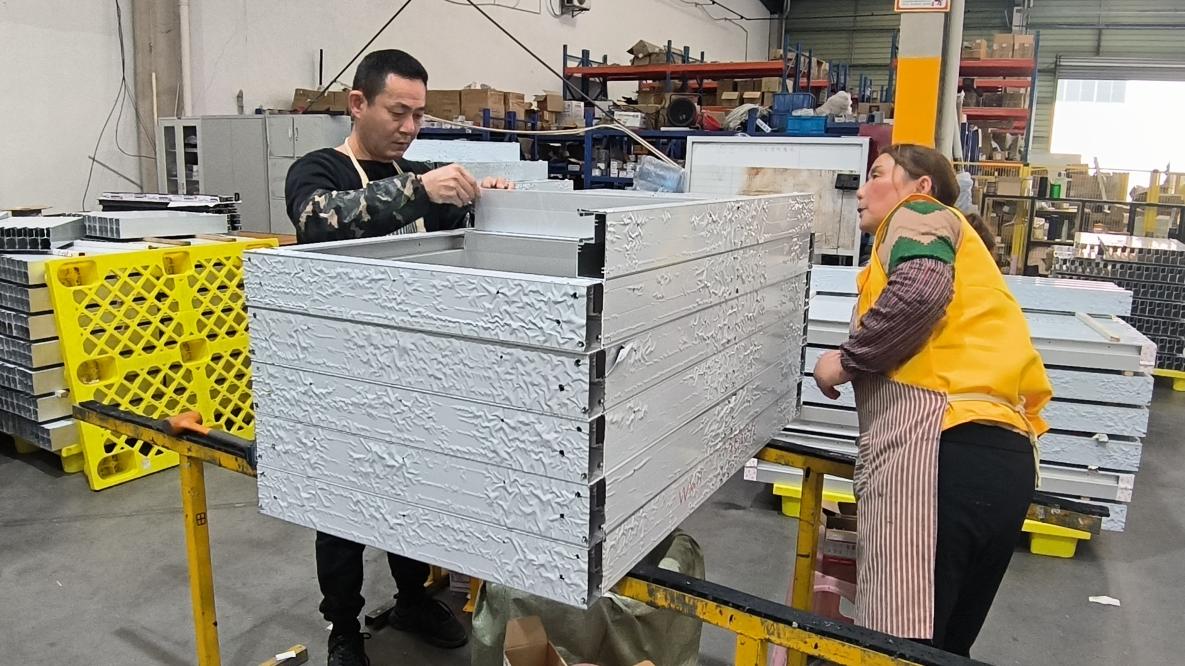 Semi-finished products inspection
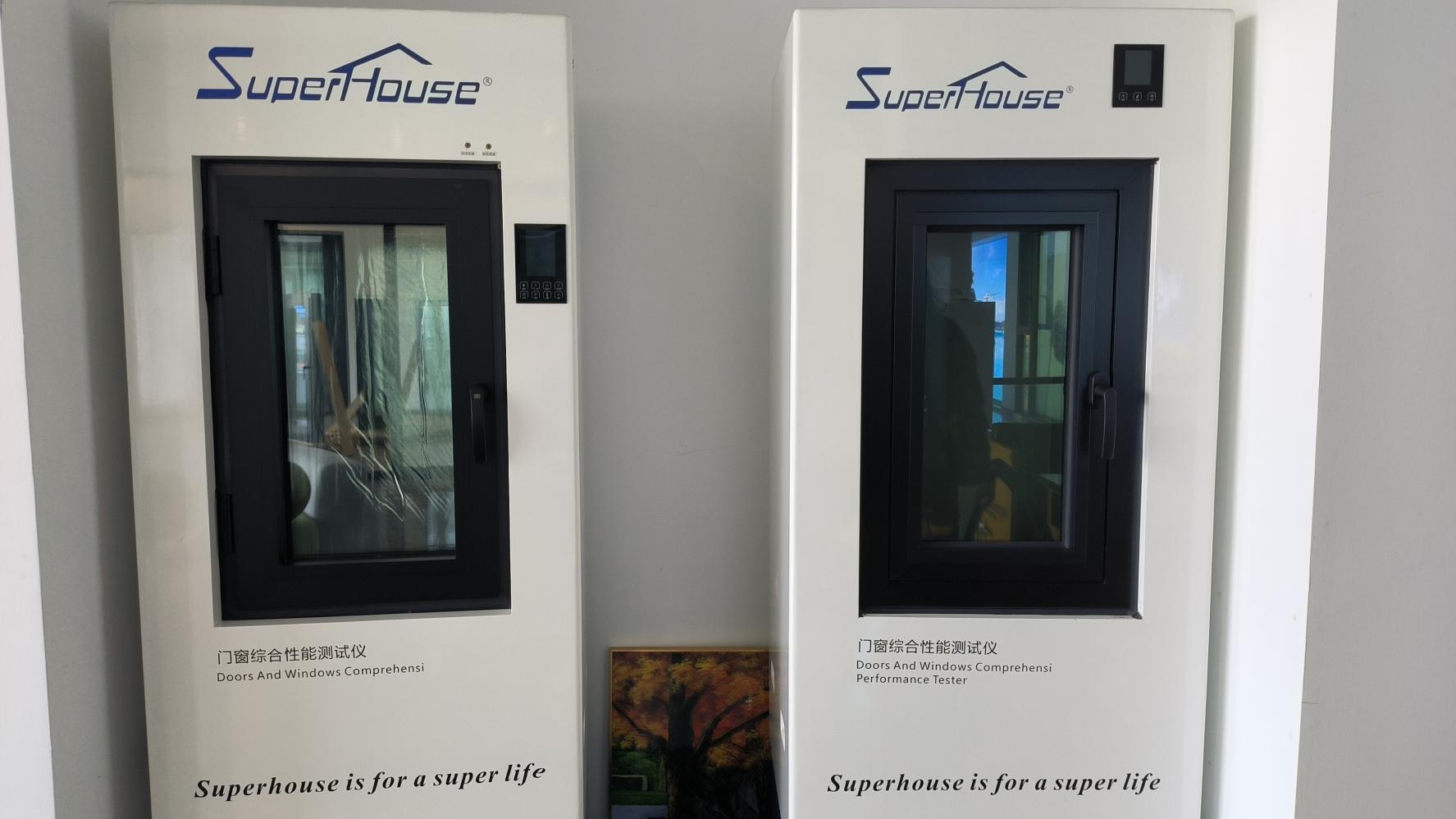 Performance tester
The entrance door sector is evolving from passive mechanical barriers into active, dynamic thermal envelopes. Leading exporters are investing heavily in advanced material science and smart automation to fulfill the requirements of Passive House standard designs and Zero Energy Buildings (ZEB).
Traditional double-paned argon-filled glass units are giving way to VIG technology, which eliminates convective heat transfer entirely. When paired with dual-layer Low-E coatings, entry door glass vision panels achieve thermal insulation ratings comparable to solid insulated walls (U-factors down to 0.60 W/m²K).
Next-generation luxury entry doors integrate electrochromic glass that adjusts light transmission dynamically based on ambient solar radiation. Furthermore, Building-Integrated Photovoltaics (BIPV) embedded into door side-lites are emerging, allowing the entrance system to generate renewable micro-electricity for smart home sensors.
To reduce embodied carbon, top exporters are transitioning to high-recycled-content aluminum extrusions powered by green hydro-smelting, as well as bio-based composite thermal break polymers that lower carbon footprints without sacrificing mechanical tensile strength.
Thermal efficiency cannot be evaluated in isolation from regional microclimates. Tier-1 entry door factories configure door assemblies according to specific localized stress conditions:
Primary Challenge: Extreme wind loads, airborne debris impact, atmospheric salt corrosion.
Engineering Solution: Heavy-duty thermal break aluminum profiles paired with multi-layer laminated impact glass (PVB/SGP interlayers), certified to Miami-Dade NOA standards. Finishes utilize AAMA 2605 marine-grade fluorocarbon coatings resistant to salt spray oxidation.
Primary Challenge: Severe freeze-thaw cycles, high internal-external temperature differentials (>40°C), frost bridging.
Engineering Solution: Polyamide PA66 extra-wide thermal breaks, quad-gasket perimeter seals, and aerogel-filled inner leaf chambers to prevent cold bridging and internal surface condensation.
Primary Challenge: Intense solar infrared absorption, high ambient moisture, extreme exterior heat expansion.
Engineering Solution: Low-SHGC reflective glass panels combined with thermal expansion relief joints to prevent door leaf warping while reducing building air conditioning loads.
For large-scale real estate developers, commercial architectural contractors, and global hardware distributors, sourcing energy-efficient entry doors involves complex supply chain management. Aligning with an experienced exporter ensures seamless execution from CAD engineering drafts to jobsite delivery.
| Procurement Stage | Critical Deliverables & Verification Checklist | Risk Mitigation Protocol |
|---|---|---|
| 1. Technical Specification & CAD/BIM Modeling | Cross-sectional thermal modeling (THERM software), structural deflection calculations, shop drawing approval. | Prevents field dimension conflicts and ensures architectural spec compliance before fabrication. |
| 2. Prototype Thermal & Structural Testing | Third-party laboratory testing for water tightness (ASTM E331), air infiltration (ASTM E283), and structural load (ASTM E330). | Mitigates risk of bulk production non-compliance and local inspection rejections. |
| 3. Production & In-Line Quality Assurance | Continuous raw material alloy inspection, CNC machining verification, automated glass unit seal testing. | 100% factory QA eliminates defect propagation across large order runs. |
| 4. Export Packaging & Global Logistics | Custom reinforced wooden crates, anti-corrosion VCI wrapping, corner protector guards, moisture absorber placement. | Protects delicate powder-coated finishes and glass units during long-distance maritime freight. |
A: The U-Factor measures the overall rate of non-solar heat transfer through the entire door assembly (frame, core, glass). Lower U-Factors indicate better insulation against ambient conductive heat loss or gain. The Solar Heat Gain Coefficient (SHGC) measures the fraction of solar radiation admitted through the glass vision panels. In cold climates, a higher SHGC is desirable to allow passive solar heating, whereas in warm climates, a lower SHGC is critical to keep solar heat out and reduce cooling loads.
A: Thermal break aluminum entry doors combine structural strength with high thermal resistance. While wood offers natural insulation, it is vulnerable to warping, moisture absorption, rot, and high maintenance costs. Standard vinyl (uPVC) lacks the structural rigidity needed for oversized architectural entrances and high-traffic commercial spans. Aluminum with Polyamide PA66 thermal breaks delivers exceptional structural load resistance, zero warping risk, low maintenance, and energy ratings equivalent to or superior to wood.
A: Top-tier exporters partner with accredited international testing agencies (such as Intertek, CSA, or TUV) to conduct formal physical testing. For Miami-Dade NOA, systems undergo rigorous cyclic wind pressure and large missile impact tests. For Australian AS2047 compliance, products undergo structural, air infiltration, and water penetration resistance testing. Reputable suppliers provide official test reports and certificate verification numbers for engineering submittals.
A: Direct door manufacturers like Grandex offer extensive customization options, including structural dimensions, door core insulation density, glazing types (double/triple pane, frosted, Low-E, smart electrochromic), surface finishes (PVDF, anodized, wood grain powder coating), hardware integration (multi-point locking systems, biometric/smart access locks), and custom sidelite/transom architectural configurations.
A: Standard manufacturing lead times range from 25 to 35 days depending on design complexity and coating specifications. Quality control workflows follow ISO 9001 protocols, including raw aluminum spectral testing, CNC precision verification, glass seal air-leak testing, and semi-finished/finished packaging inspections prior to container loading.
Discover additional high-performance architectural systems engineered for hotel, commercial, and residential projects around the globe.

 Grandex Door