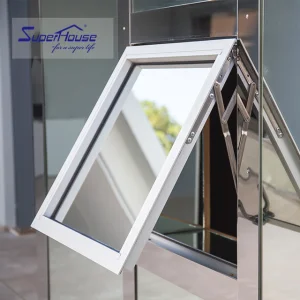
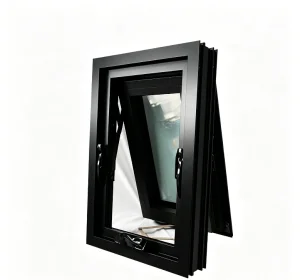
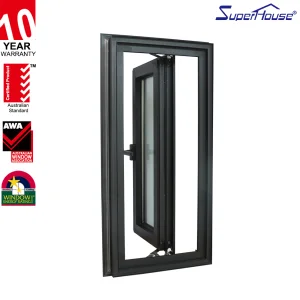
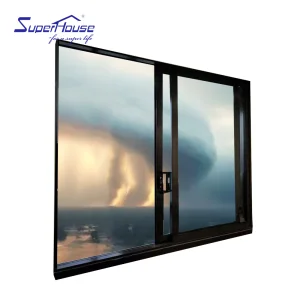
Explore our flagship engineered architectural products, certified to resist extreme windstorm pressure, airborne projectile impacts, and thermal dissipation.
A comprehensive analysis of evolving building codes, extreme weather mitigation, and international supply chain strategies.
The global market for structural hurricane-resistant building envelopes has transitioned from a localized coastal requirement to a worldwide engineering benchmark. Driven by climate volatility, updated regional building parameters (such as the Florida Building Code, Texas Department of Insurance requirements, and Australian AS2047 standards), and growing institutional investment in resilient architecture, real estate developers and general contractors are demanding advanced entry systems that blend absolute structural envelope protection with modern visual appeal.
Increasing frequency of Category 4 and 5 Atlantic storms and Pacific typhoons has forced municipal planners to mandate wind-borne debris protection across residential, commercial, and hospitality developments.
China’s advanced aluminum extrusion technology, robotic precision milling, and vertical supply chain integration enable a 35% to 50% cost optimization without compromising ASTM, TAS, or NFRC structural standards.
Installing certified impact-resistant front doors significantly lowers insurance premiums for property owners while preventing structural pressurization and catastrophic roof blowouts during severe pressure drops.
Deconstructing the material science behind high-velocity hurricane zone (HVHZ) entry systems, structural interlayers, and heavy-duty frame profiles.
The structural core of any hurricane front door is its laminated glass composition. Standard Polyvinyl Butyral (PVB) offers baseline protection, but SentryGlas® Plus (SGP) ionoplast interlayers provide 5 times the tear strength and up to 100 times the rigidity.
Frame deflection under dynamic pressure cyclic load tests (TAS 203) can compromise peripheral seals. Premier Chinese manufacturers utilize T6-tempered 6063 architectural aluminum extrusions.
Below is an engineering baseline matrix comparing standard residential entry systems with hurricane-resistant impact-rated architectural entry doors.
| Performance Specification | Standard Residential Front Door | Commercial/Villa Impact Entry Door | HVHZ High-Velocity Hurricane Rated Door |
|---|---|---|---|
| Wind Pressure Resistance (DP) | DP 20 – DP 30 (~100 mph) | DP 50 – DP 65 (~150 mph) | DP 70 – DP 100+ (Up to 200+ mph) |
| Missile Impact Rating | Non-Impact / Tempered Only | Small Missile / Level C Impact | Large Missile Level D & E (TAS 201) |
| Interlayer Composite | None / Single PVB (0.76mm) | Double PVB (1.52mm) | DuPont / Kuraray SGP Ionoplast (1.52mm - 2.28mm) |
| Glazing System | Monolithic / Basic Double Glazed | Insulated Laminated Tempered | Heavy-Duty Double-Laminated Low-E Argon-Filled |
| Multi-Point Locking Points | Single Deadbolt / 2-Point Lock | 3-Point Stainless Latch System | 5 to 7-Point German Engineering Gear System |
Inside China's advanced door manufacturing infrastructure: Combining robotics, strict ISO 9001 QA protocols, and massive export capacity.
Established in 2014, Grandex Door Solutions Co., Ltd. is a premier entry door manufacturer operating from a modern 35,000 m² facility. With 16 years of industry expertise and 8 years of dedicated export experience, the company generates an annual export revenue of USD 28 million. Grounded in strong OEM and ODM trade backgrounds, our products primarily serve North America and Western Europe, supported by a network of over 1,200 supply chain partners. We cater to leading building material distributors, real estate developers, and commercial contractors. Quality is integral to our operations: supported by strict ISO 9001 certified internal testing and third-party laboratory verification, our 45-member QA team ensures rigorous quality control throughout production. Driven by an active R&D division with 85 specialized engineers, we introduced 120 new door designs last year and offer full custom solutions spanning custom dimensions, security locks, surface finishes, and decorative glass panels.
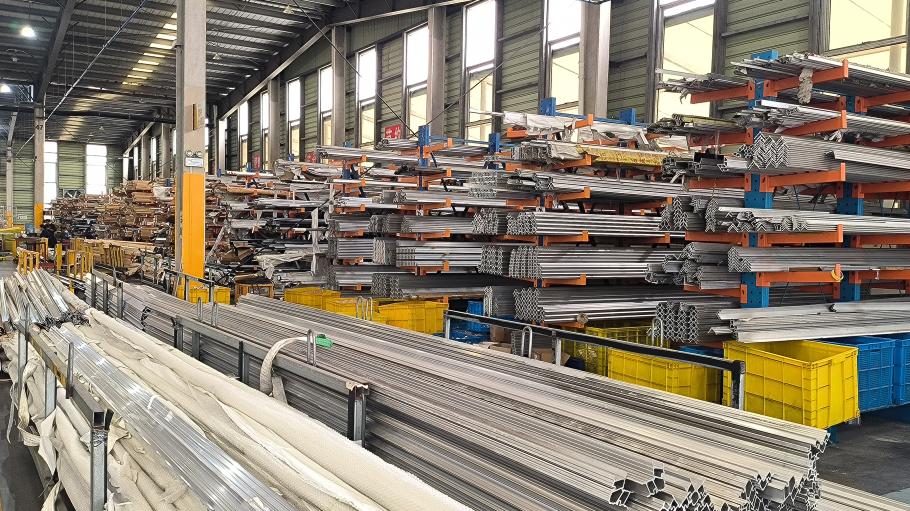
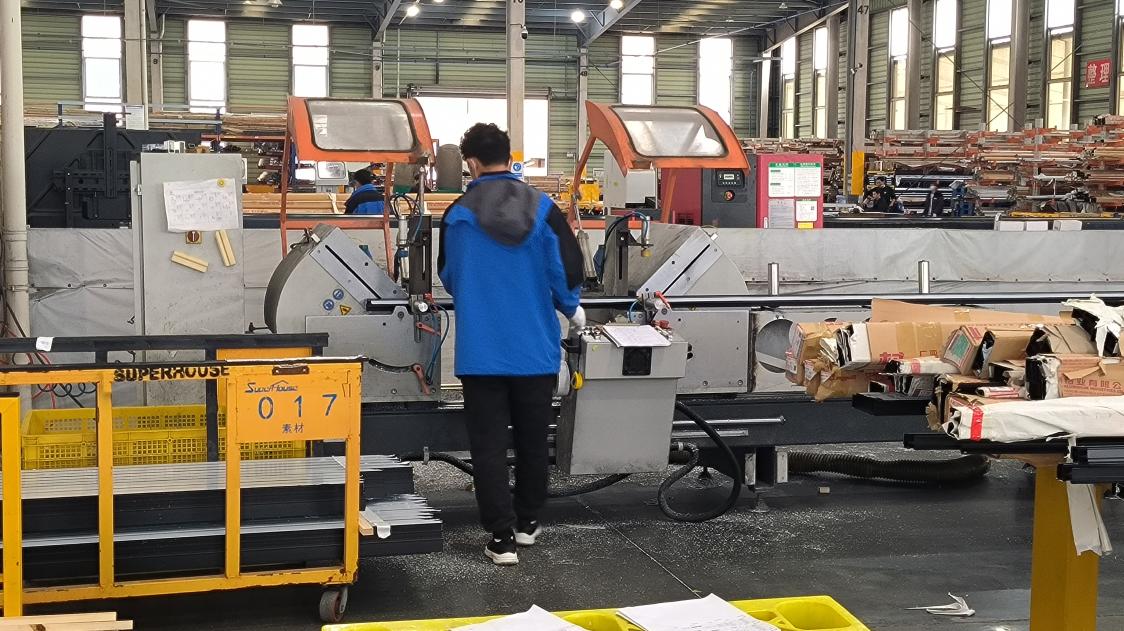
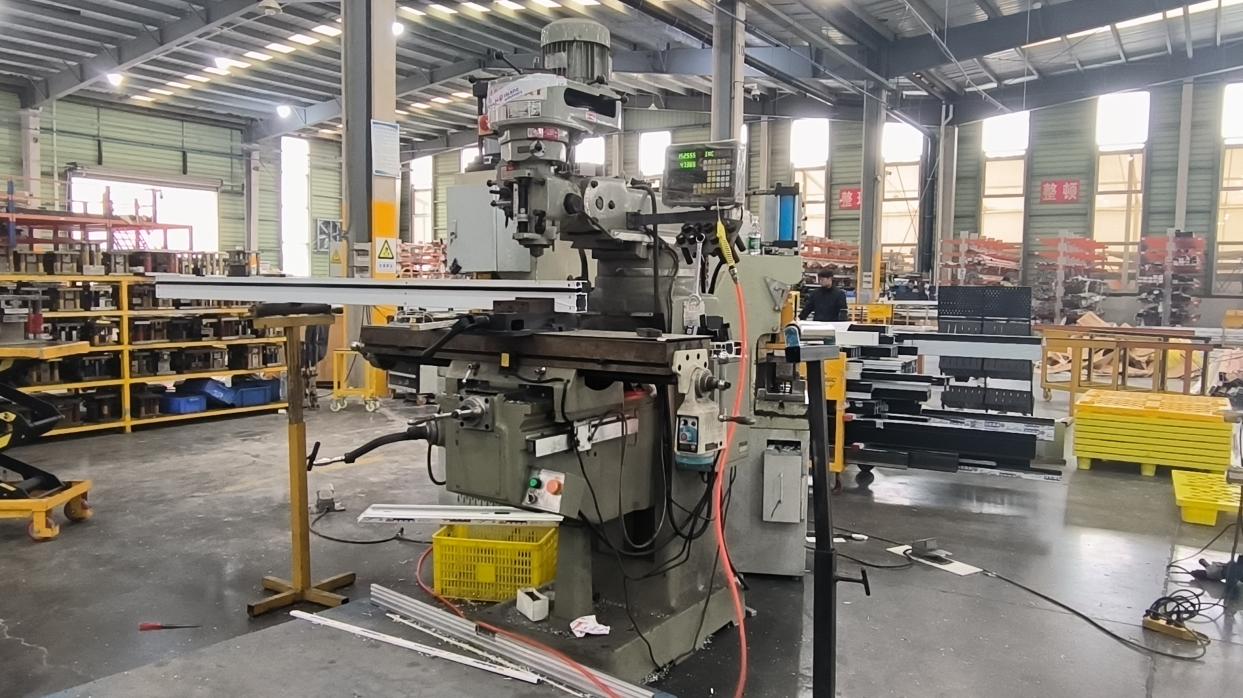
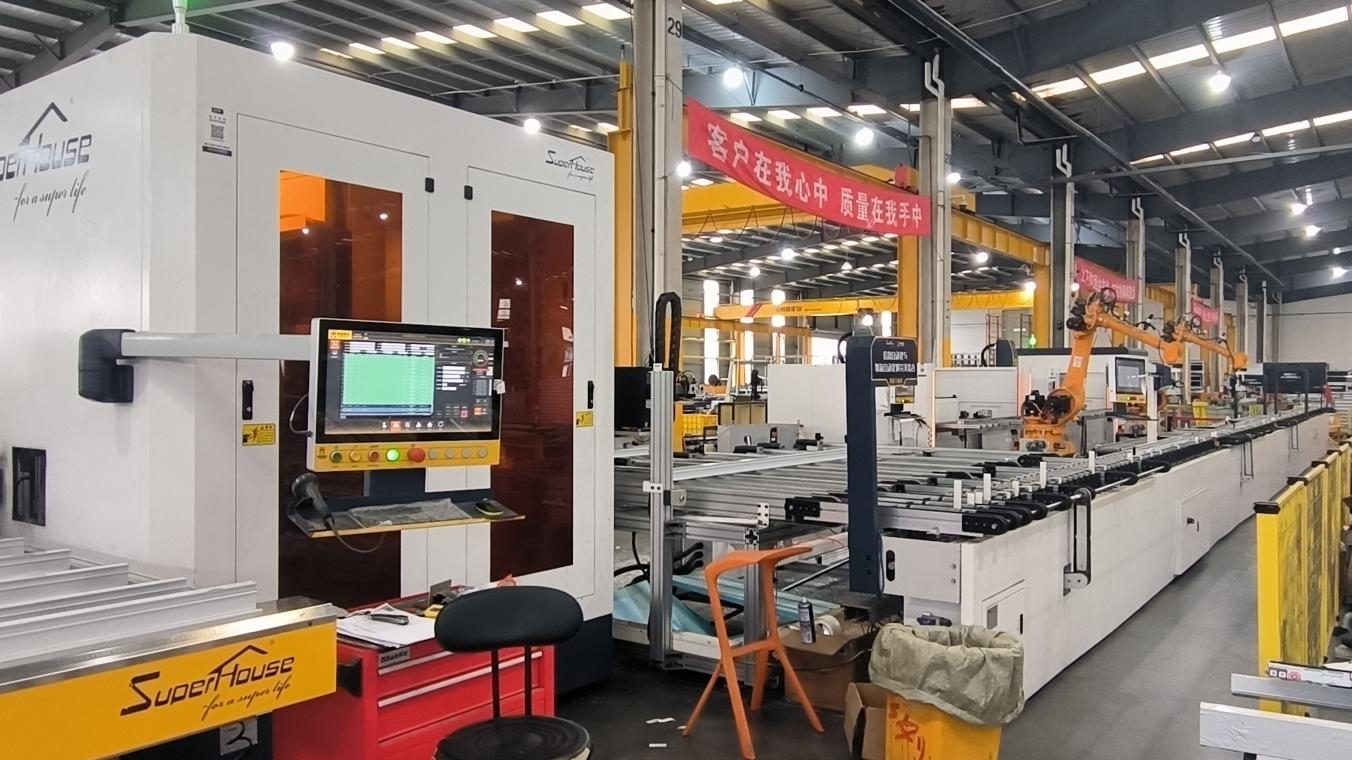
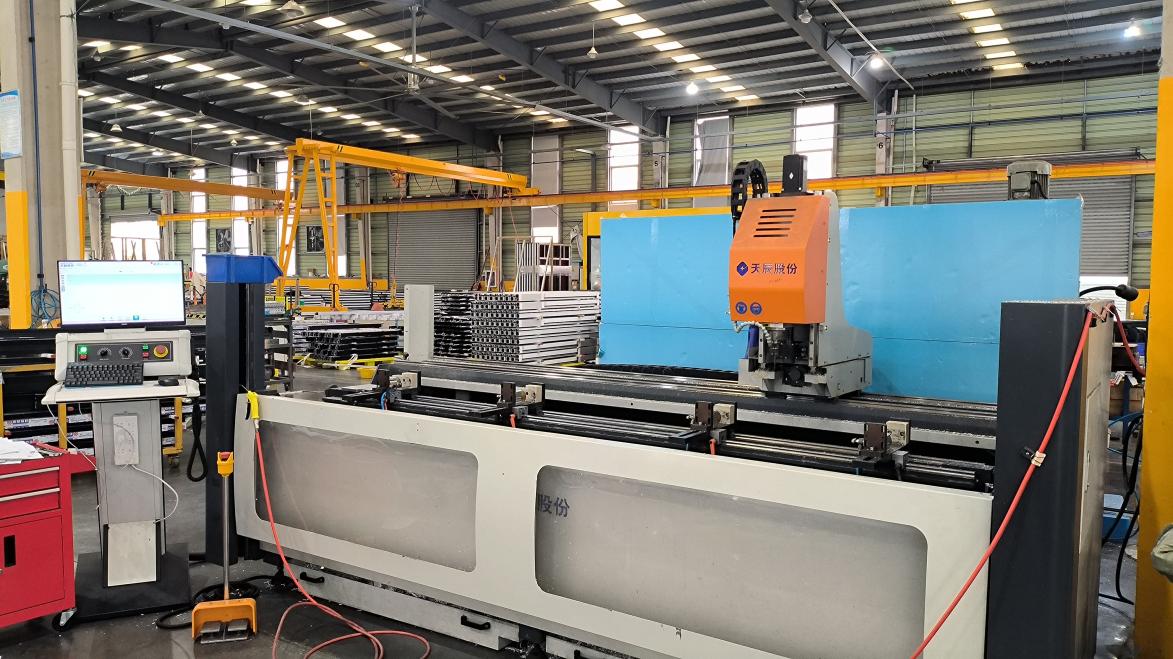
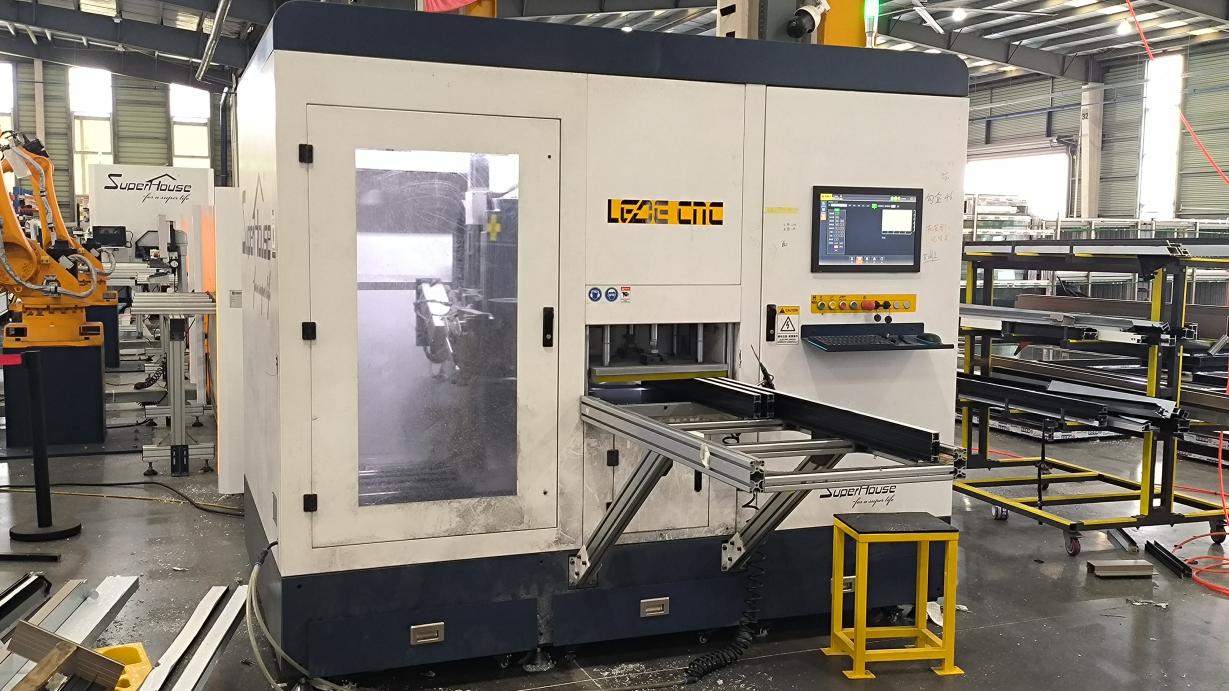
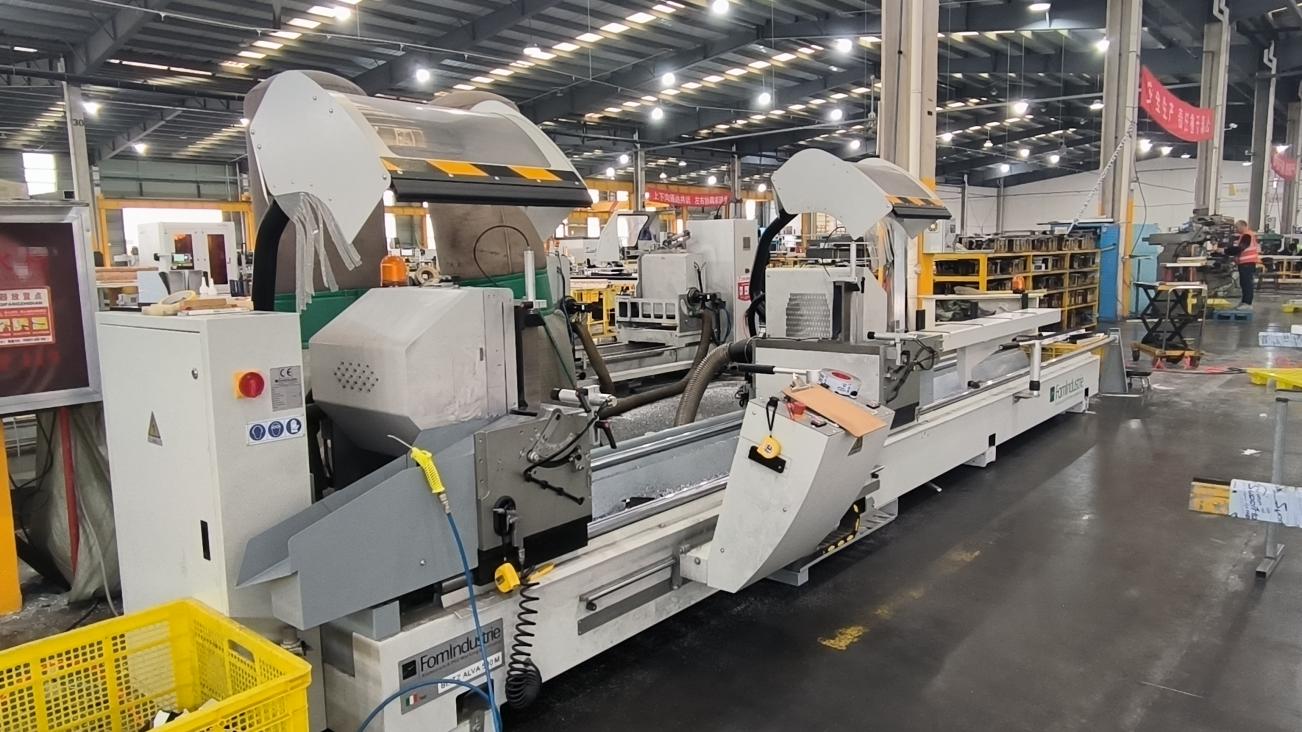
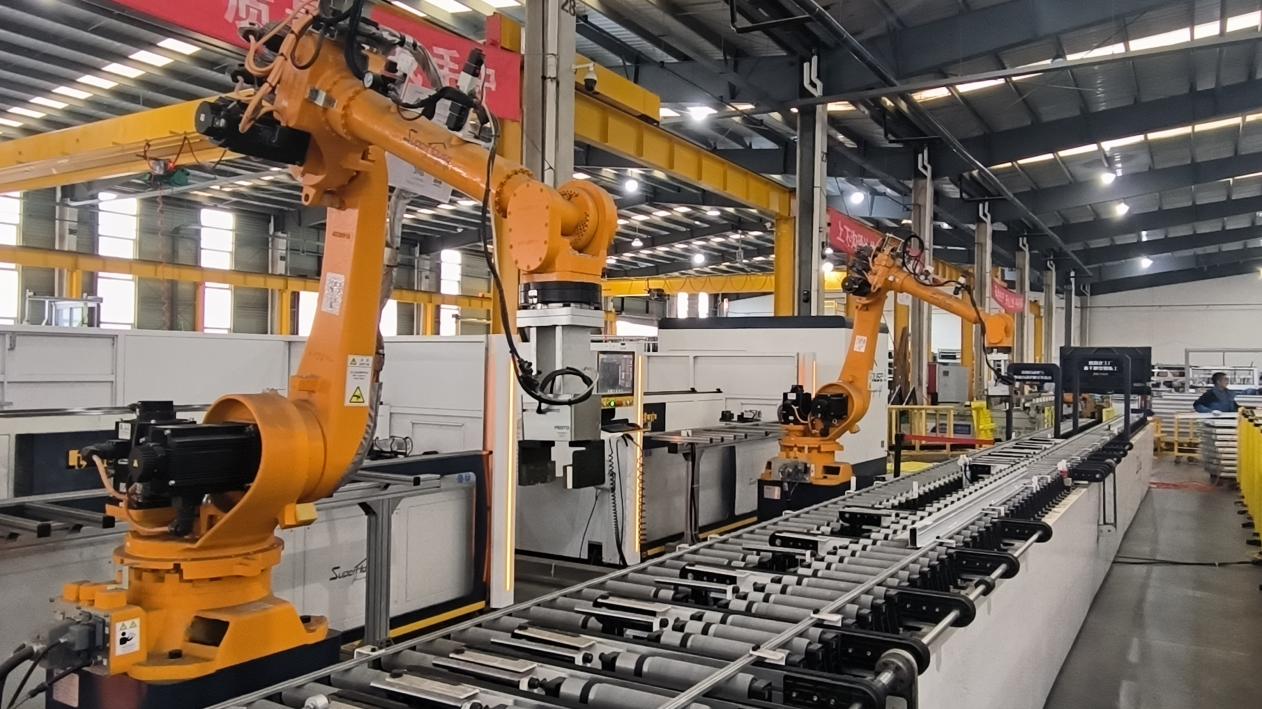
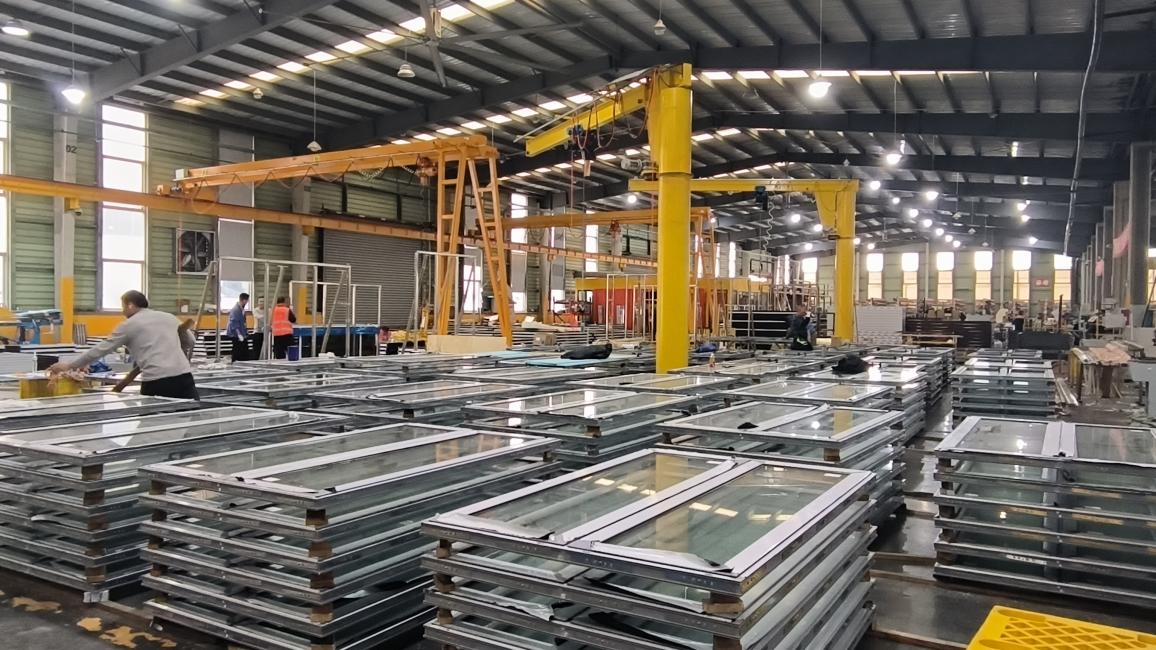
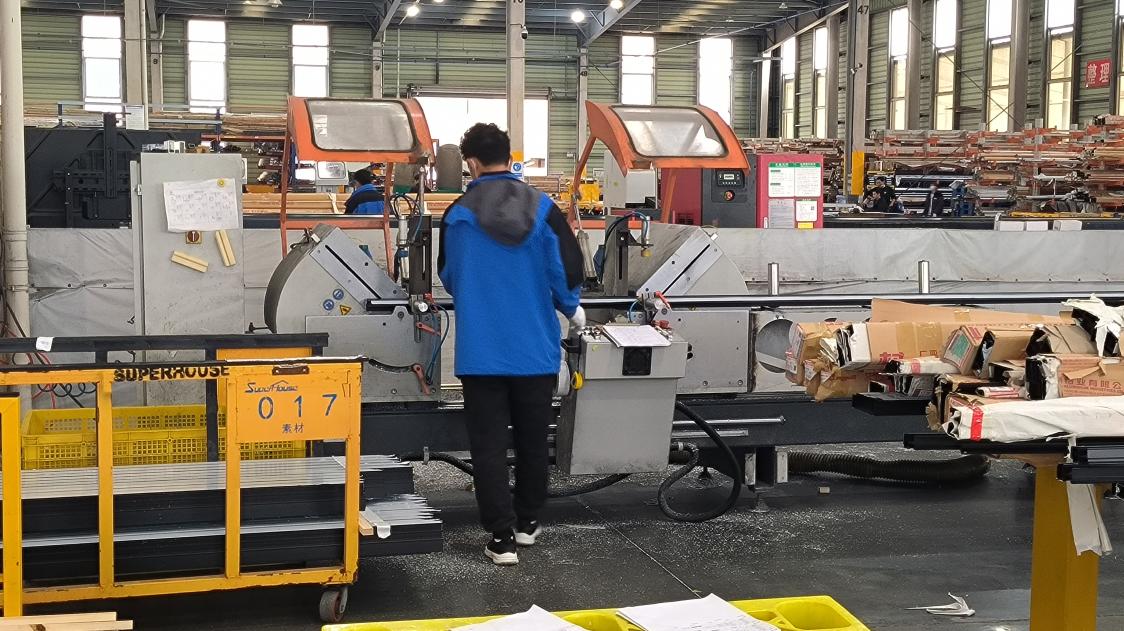
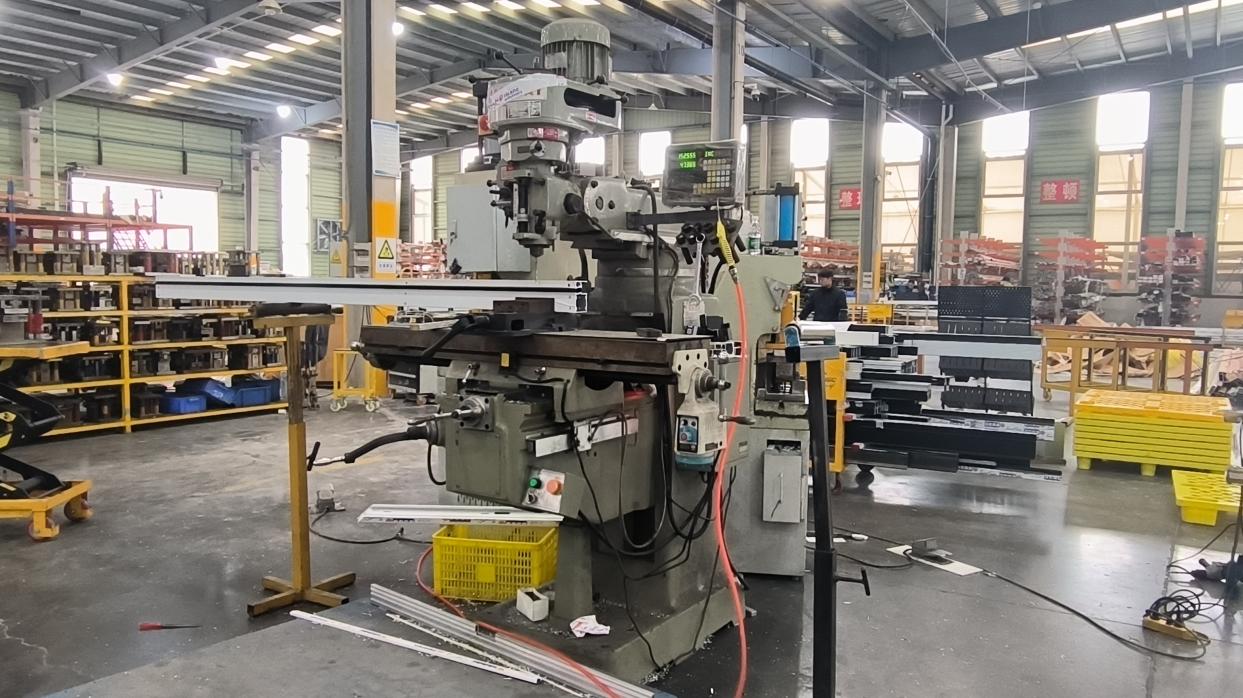
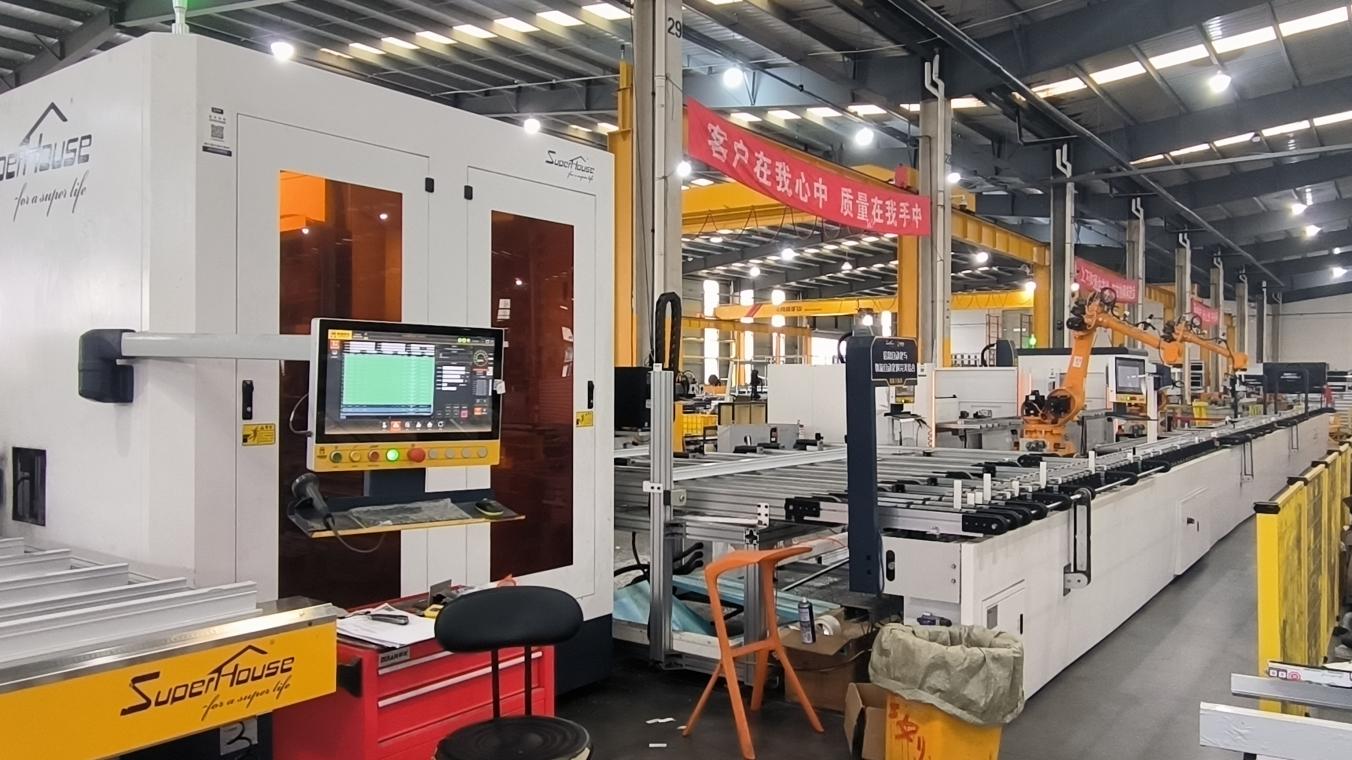
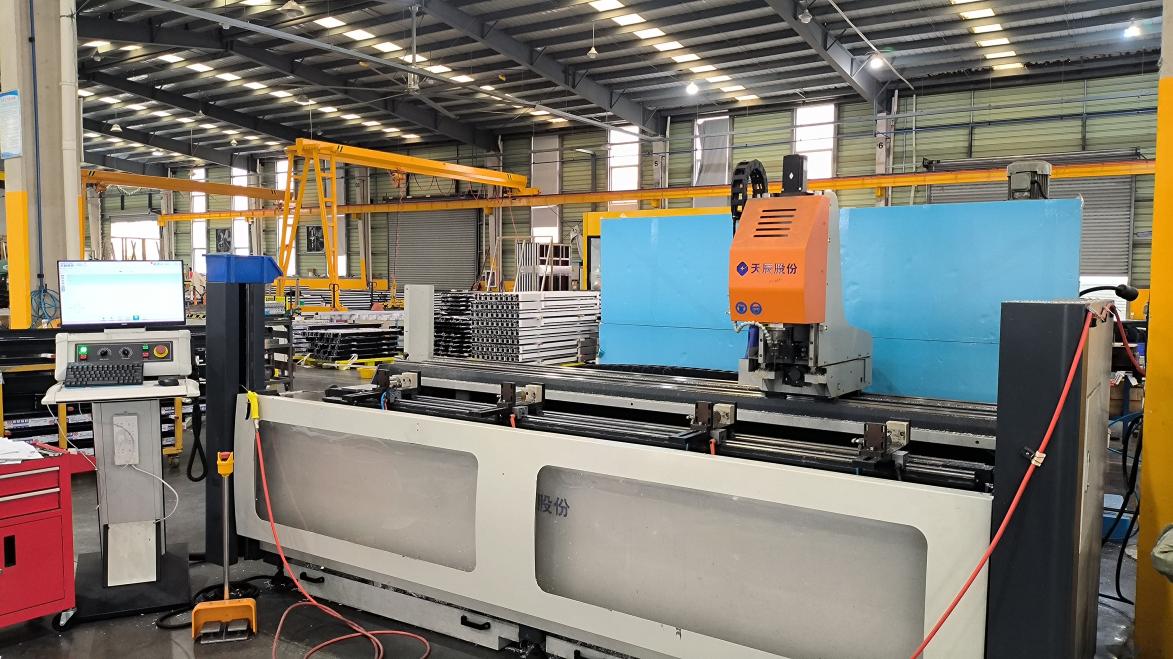
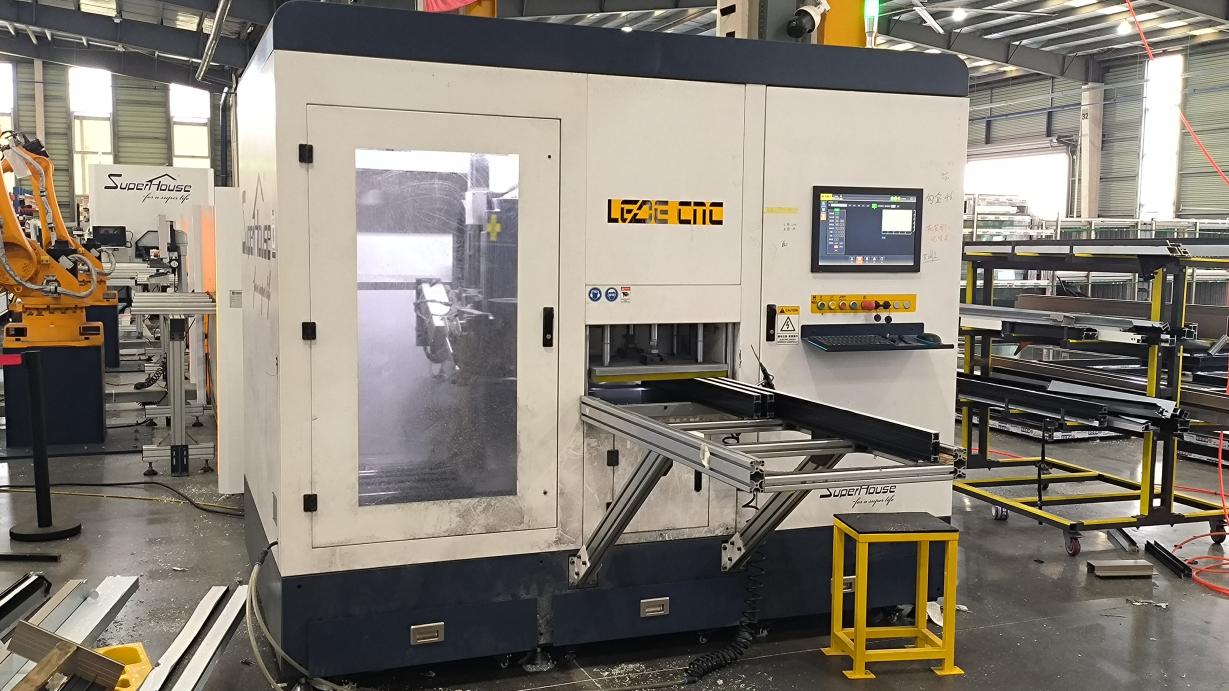
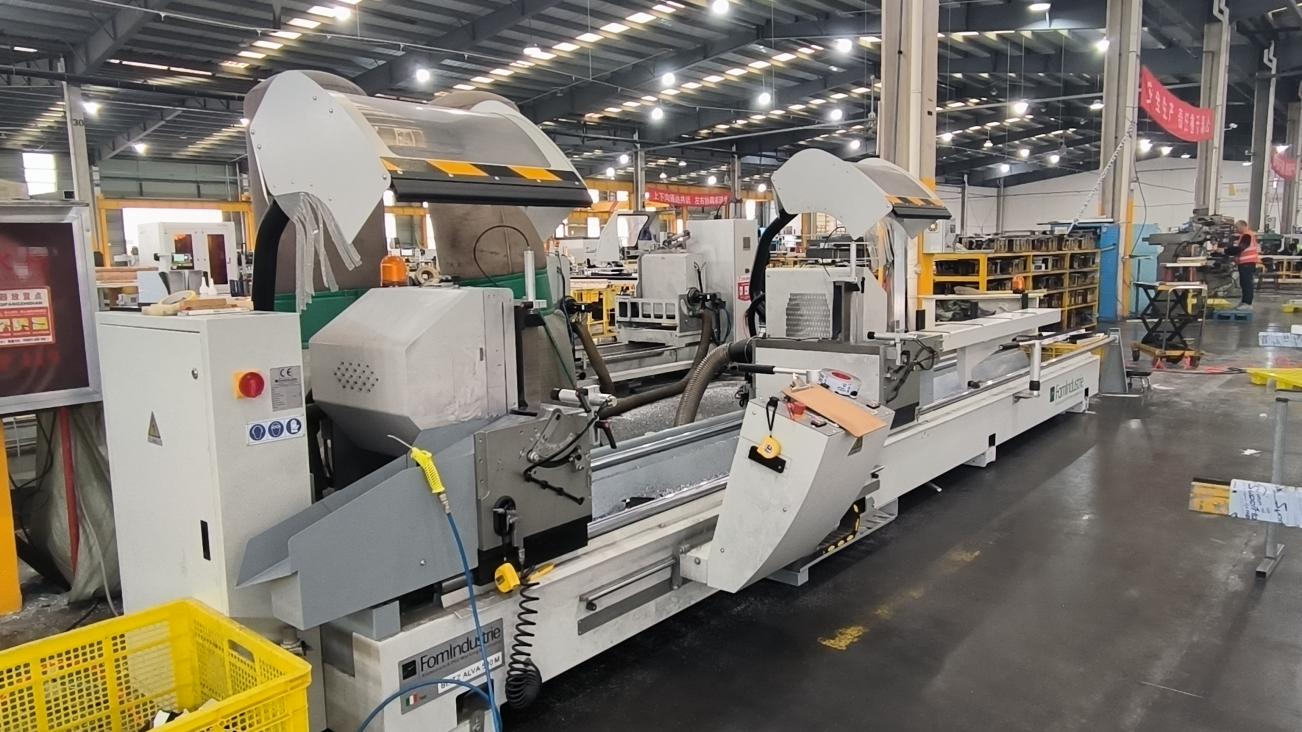
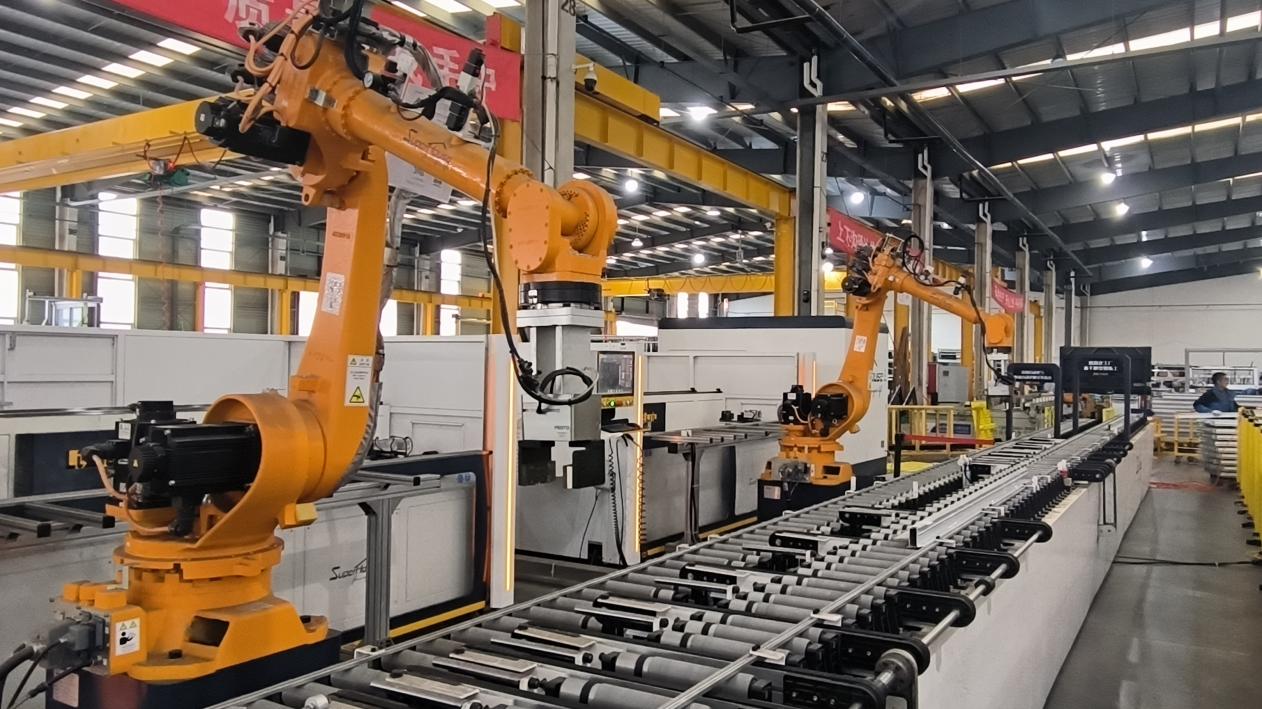
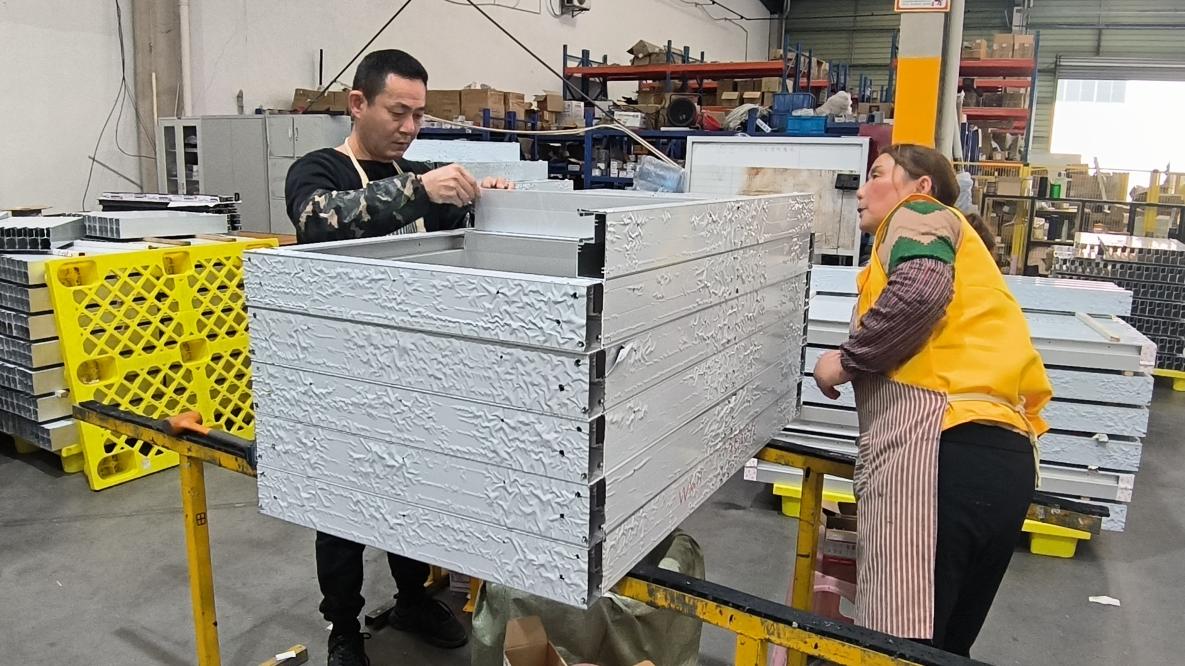
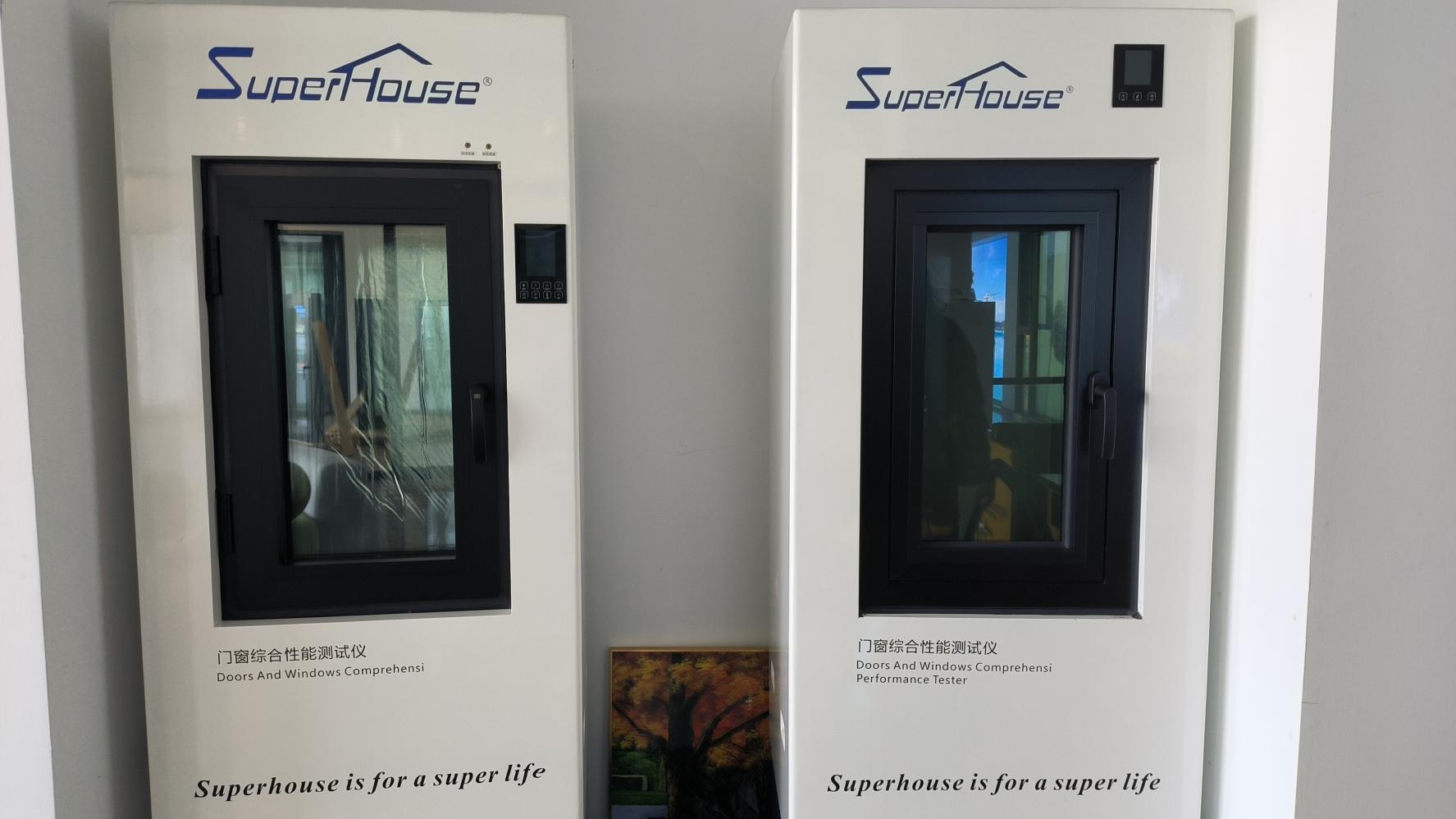
Visual documentation of our automated production lines, CNC machining centers, and quality verification processes.
Navigating Florida Building Code NOA, ASTM Impact Standards, Australian AS2047, and European CE Certification.
Notice of Acceptance (NOA) issued by Miami-Dade County represents the gold standard for hurricane resistance worldwide. Products pass rigorous TAS 201 (Large Missile Impact), TAS 202 (Static Air Pressure), and TAS 203 (Cyclic Wind Pressure Loading) protocols.
American Standard testing evaluates the performance of exterior doors impinched by windborne debris in hurricanes. System structural loads verify that framing and anchors remain unbroken post-impact.
Australian Standard AS2047 mandates strict deflection, air infiltration, and water penetration limits. NFRC ratings ensure optimal Solar Heat Gain Coefficient (SHGC) for tropical energy conservation.
A structured approach for real estate developers, architects, and importers to streamline custom factory orders.
Before issuing RFQs, procurement directors must specify localized Design Pressure (DP) calculations based on building height, wind zone category, and exposure terrain (e.g., Exposure C or D). Our 85-member engineering team provides shop drawings and finite element analysis (FEA) to ensure structural embedment depth into concrete jambs or steel framing meets local engineering approvals.
Hurricane doors require heavy-duty stainless steel (316 Marine Grade) hinges, concealed pivot gears, and multi-point locking gearboxes (utilizing German hardware components like GU, HOPPE, or SIEGENIA). Multi-point systems secure the door leaf into top, bottom, and side frame tracks, preventing corner flex during sustained cyclic wind suction.
Coastal environments expose door surfaces to salt spray corrosion. We apply fluorocarbon (PVDF) electrostatic coatings and AkzoNobel powder coats tested for 3,000+ hours of continuous salt spray exposure, offering faux-wood grain textures, anodized matte blacks, and architectural metallics.
To guarantee intact delivery across international freight routes, entry doors undergo five-layer protective packaging: scratch-resistant film, expanded polyethylene foam corner protectors, vacuum-sealed plastic wrap, high-density honeycomb cardboard, and fully enclosed IPPC-certified fumigation-free wooden crates.
Pioneering smart access control integration, ultra-clear vacuum glass insulation, and sustainable low-carbon extrusion manufacturing.
Integrating motorized multi-point locks with facial recognition, biometric fingerprint scanners, and IoT smart home systems while maintaining complete structural hurricane integrity during power outages through battery backups.
Combining micro-spacer vacuum glass technology with SGP structural interlayers to achieve ultra-low U-factors (under 0.10) while providing maximum missile impact resistance in lightweight profiles.
Transitioning extrusion processes to hydro-powered energy grids and using up to 80% recycled aluminum content, drastically reducing embedded carbon footprint for LEED-certified green building projects.
Direct answers to technical, regulatory, and commercial procurement inquiries.
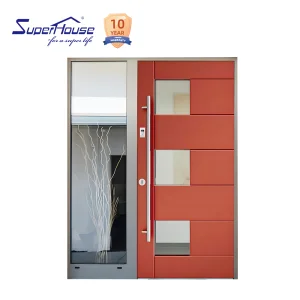
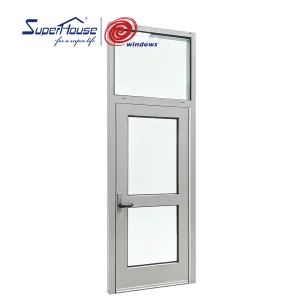
Browse additional certified impact doors, French entry doors, thermal break windows, and commercial escape solutions.
 Grandex Door