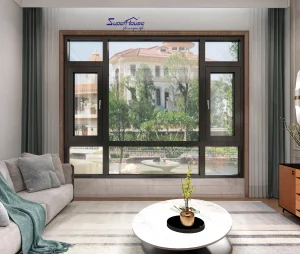
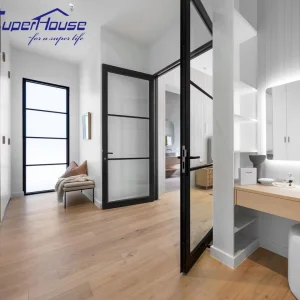
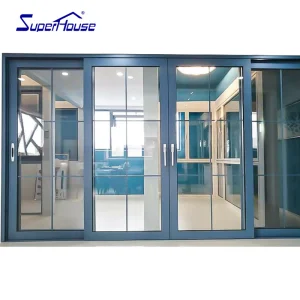
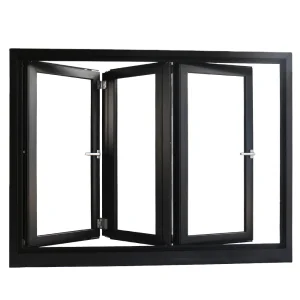
Explore our core CE-compliant and hurricane-impact structural door and window units configured with advanced multi-point hardware integration.
Analysis of structural forced-entry resistance, thermal envelope continuity, and regulatory compliance under EN 14351-1 and European Construction Products Regulation (CPR).
Multi-point locking systems distribute physical stress across multiple engagement points (hooks, mushroom cams, deadbolts) along the frame perimeter. This mechanical design neutralizes leverage attacks using crowbars or heavy mechanical tools, providing verified structural protection certified to RC2, RC3, and RC4 classes.
Integrates multi-chamber polyamide thermal barriers (PA66GF25) with continuous perimeter compression gaskets. Compression driven by multi-point hook locks reduces air infiltration to < 0.05 cfm/ft², preventing thermal bridging, acoustic bleed, and dynamic wind-driven rain penetration under ASTM E331 testing.
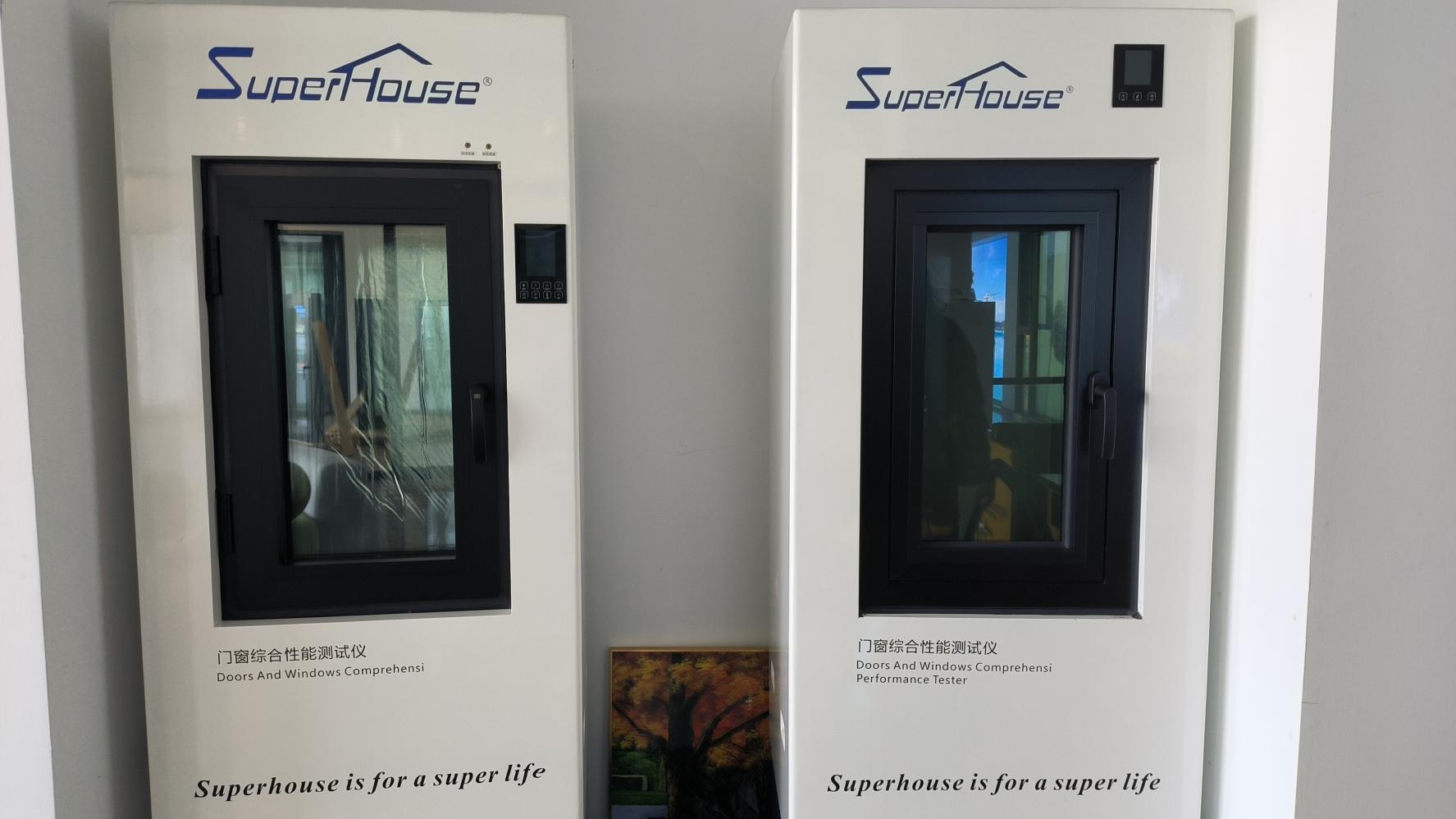
Factory Production Control (FPC) verified according to EN 14351-1:2006+A2:2016 for external pedestrian doorsets. Lock mortise assemblies adhere strictly to EN 12209 for mechanical durability, guaranteeing over 200,000 continuous operation cycles under heavy commercial traffic.
Unlike single-point traditional deadbolts that concentrate locking forces at a single central point along the jamb—creating vulnerability to structural twisting and air gaps—multi-point lock gearboxes drive 3 to 7 synchronized steel locking elements into heavy-gauge keeps. This yields continuous perimeter gasket compression of up to 4.5 mm, reducing overall building HVAC loads by up to 18% in temperate and severe coastal climates.
Market dynamics shifting toward integrated smart access control, ultra-low U-factor fenestration, and extreme climate endurance.
The global commercial and high-end residential real estate markets are rapidly moving away from purely manual keyways. Modern enterprise developments require automatic multi-point motorized locking gearboxes. These systems interface directly with Building Management Systems (BMS), biometrics (facial recognition, fingerprint scanners), and RFID access control.
When the door is closed, internal high-torque electric motors automatically drive top, bottom, and central steel bolts into reinforced frame strike plates without manual handle lever activation, providing seamless keyless operation with zero security compromise.
Global regulatory mandates, such as Europe's Energy Performance of Buildings Directive (EPBD) and North America's updated IECC standards, demand fenestration U-values as low as 0.8 to 1.1 W/m²K (U-factor 0.14 - 0.19 BTU/h·ft²·°F). Achieving these thermal metrics requires structural doors featuring wide polyamide thermal breaks (up to 34mm) coupled with triple-pane Low-E insulated glass units (IGUs) filled with 90%+ Argon gas.
Multi-point lock hardware plays a crucial role by pulling thick, heavy insulating sash panels tightly against triple-lip EPDM seals to prevent thermal leakage.
Traditional straight deadbolts can disengage under severe door frame deflection or forced structural spreading. The industry has shifted toward bi-directional hooked deadbolts crafted from hardened forged steel. As the hooks extend, they clamp into opposing directions inside the reinforced strike frame. This anchors the door sash against vertical and horizontal prying, while mushroom-head roller cams provide self-adjusting tolerance for seasonal ambient temperature expansion and contraction.
With increasing coastal windstorm frequency and intensity, procurement projects in Florida (Miami-Dade NOA), the Caribbean, and coastal East Asia mandate structural doors certified against severe cyclic wind pressure and large missile impact testing (ASTM E1886/E1996, TAS 201/202/203). Multi-point locking assemblies act as structural tie-downs, transmitting wind load stresses directly into the wall sub-structure.
Technical baseline specifications required by commercial B2B buyers, real estate developers, and institutional contractors.
| Performance Parameter | European Standard Baseline (EN) | North American Baseline (ASTM/AAMA) | Grandex Factory Standard Specification |
|---|---|---|---|
| Burglary & Forced Entry Resistance | EN 1627 Resistance Class 2 to RC4 | ASTM F842 / AAMA 1304 Grade 40 | Exceeds RC3 / Grade 40 (Hardened Steel Hooks & Pin Locks) |
| Cycle Durability & Mechanical Lifespan | EN 12209 Grade 8 (200,000 cycles) | ANSI/BHMA A156.2 Grade 1 (500,000+ cycles) | Verified 250,000 to 500,000 operational cycles |
| Thermal Transmittance (U-Value) | EN ISO 10077-2: 0.9 - 1.4 W/m²K | NFRC 100/200: U-factor 0.18 - 0.26 | Custom Thermal Break: U ≤ 1.1 W/m²K (0.19 BTU/h·ft²·°F) |
| Water Tightness & Air Infiltration | EN 12208 Class 9A (600 Pa) | ASTM E331 (15 PSF) / Air < 0.1 cfm/sq.ft | Continuous EPDM Gasket System: 750 Pa Water / Zero Leakage |
| Corrosion Resistance (Salt Spray) | EN 1670 Class 5 (480 Hours Salt Spray) | ASTM B117 500 Hours Neutral Salt Spray | SUS304 / SUS316 Stainless Steel Components (>720 Hours) |
| Structural Wind Load Resistance | EN 12210 Class C5 (2000 Pa) | DP Rating +55 to +90 PSF (High-Velocity Hurricane Zone) | Reinforced 6063-T6 Aluminum Profiles (Design Pressure > 70 PSF) |
When sourcing custom door systems globally, real estate developers and wholesalers face regulatory friction, dimensional tolerances errors, and hardware failure. Partnering with a fully certified manufacturer guarantees that all fenestration profiles align with regional building codes. CE marking indicates compliance with EU safety, health, and environmental standards, while third-party testing (such as NFRC and Florida NOA) ensures frictionless customs clearance and straightforward on-site installation.
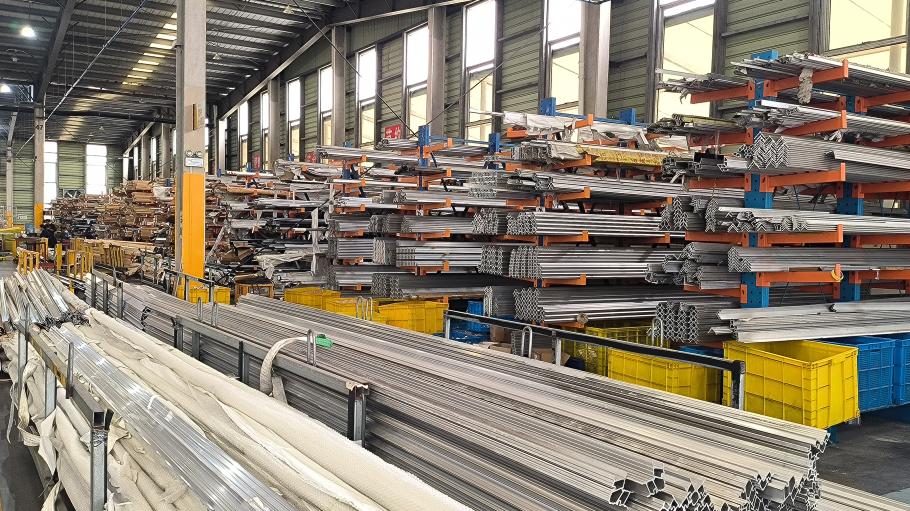
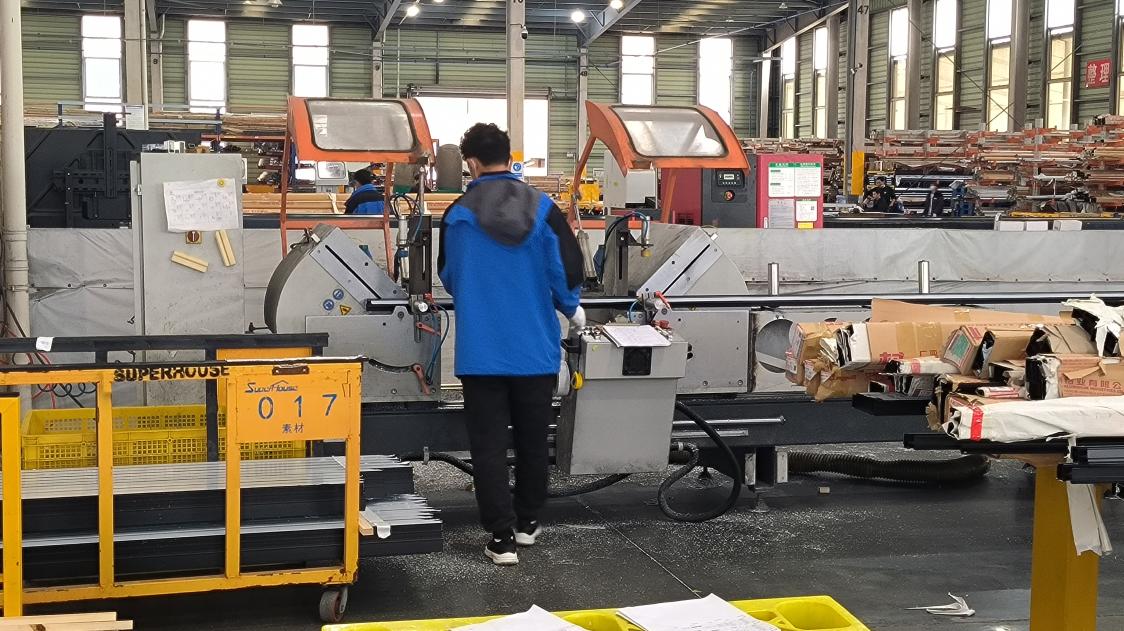
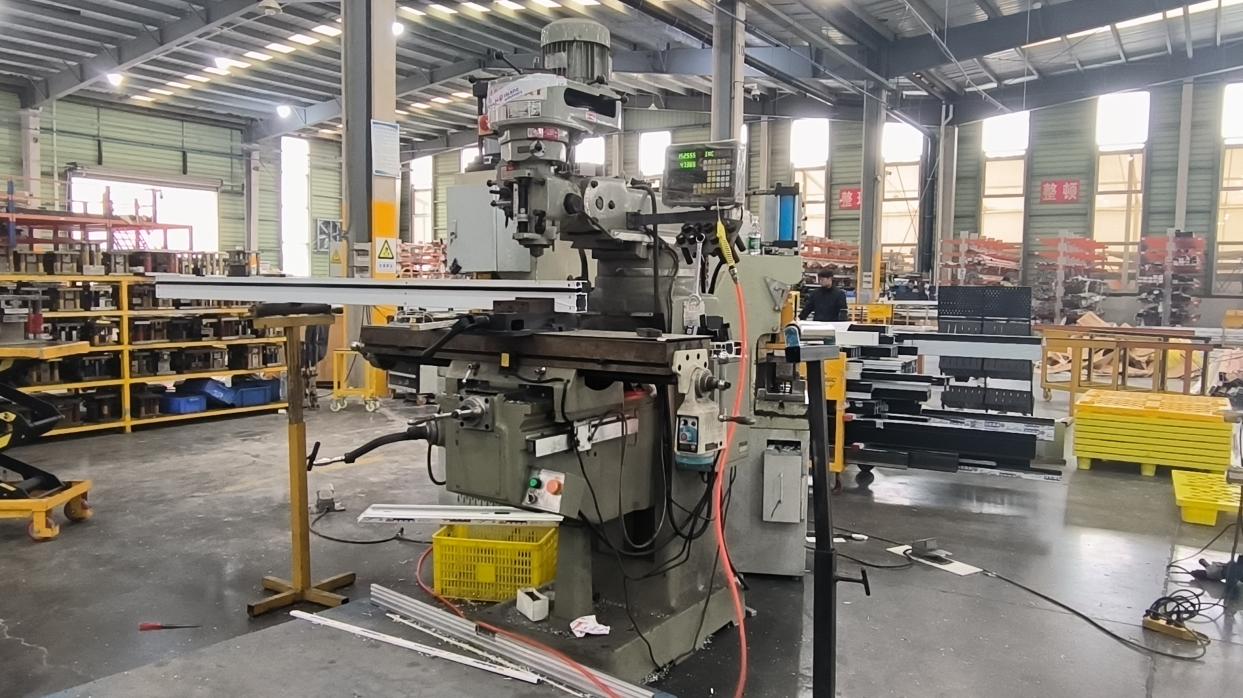
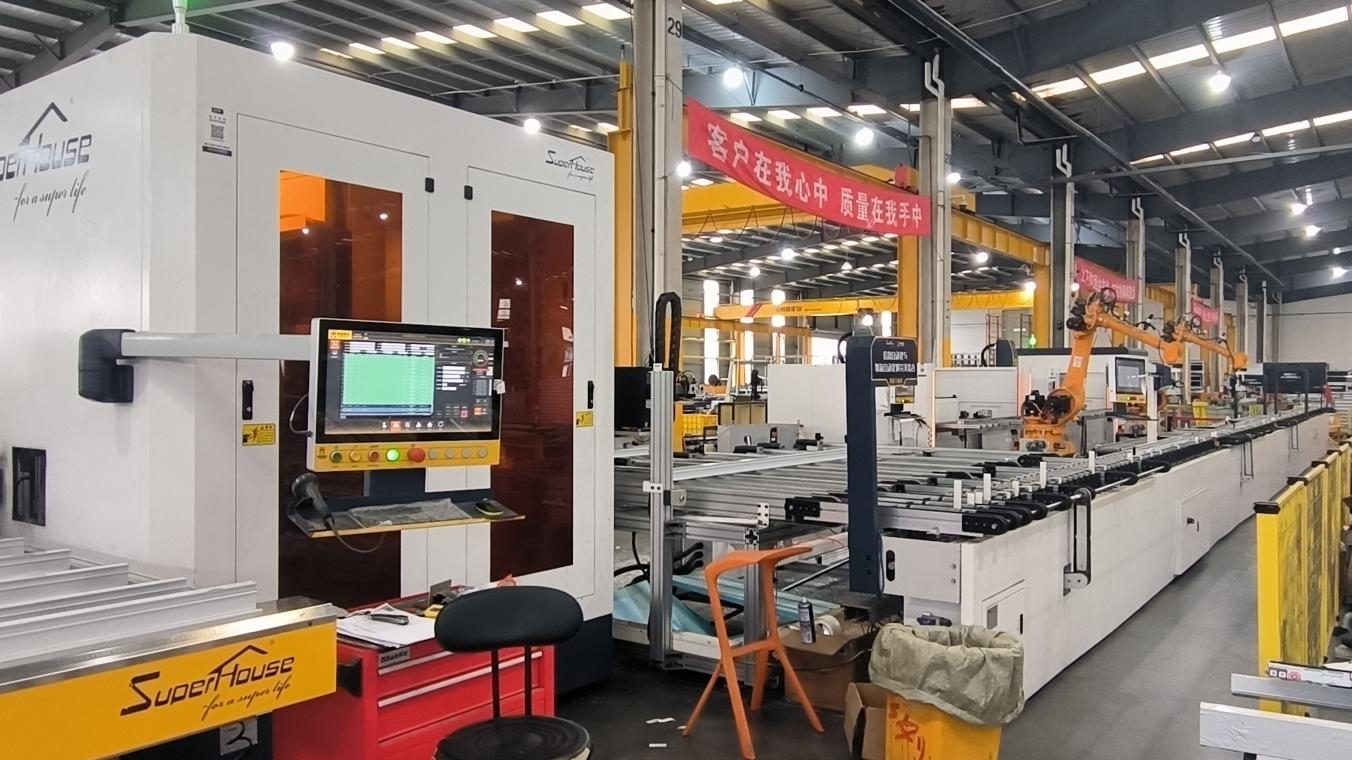
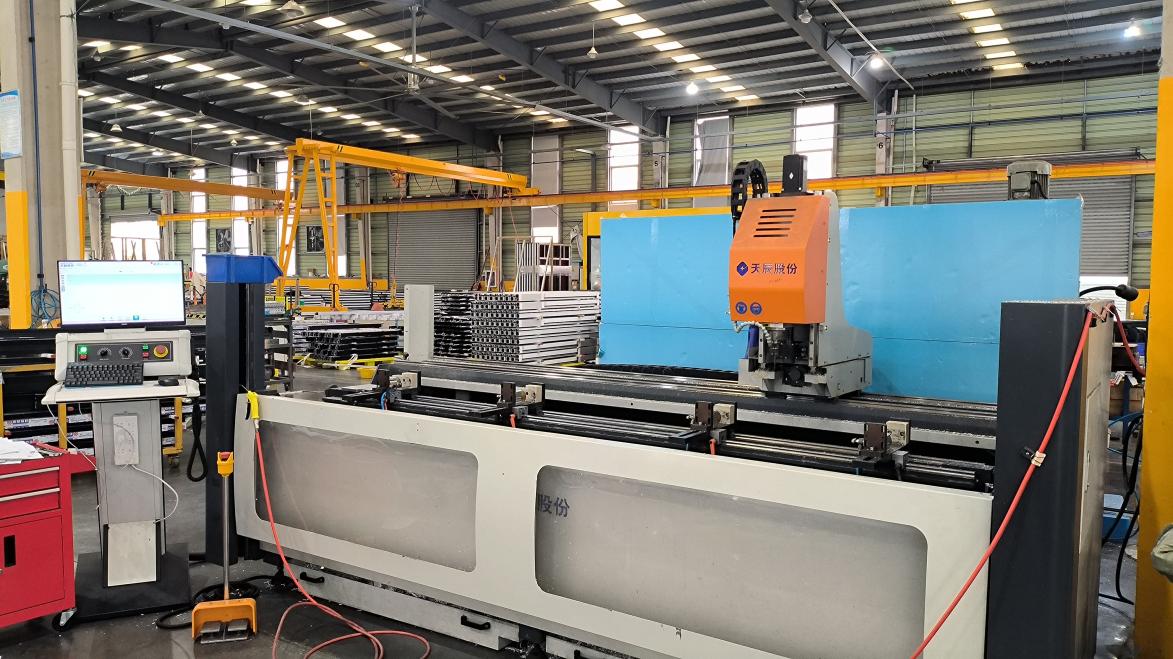
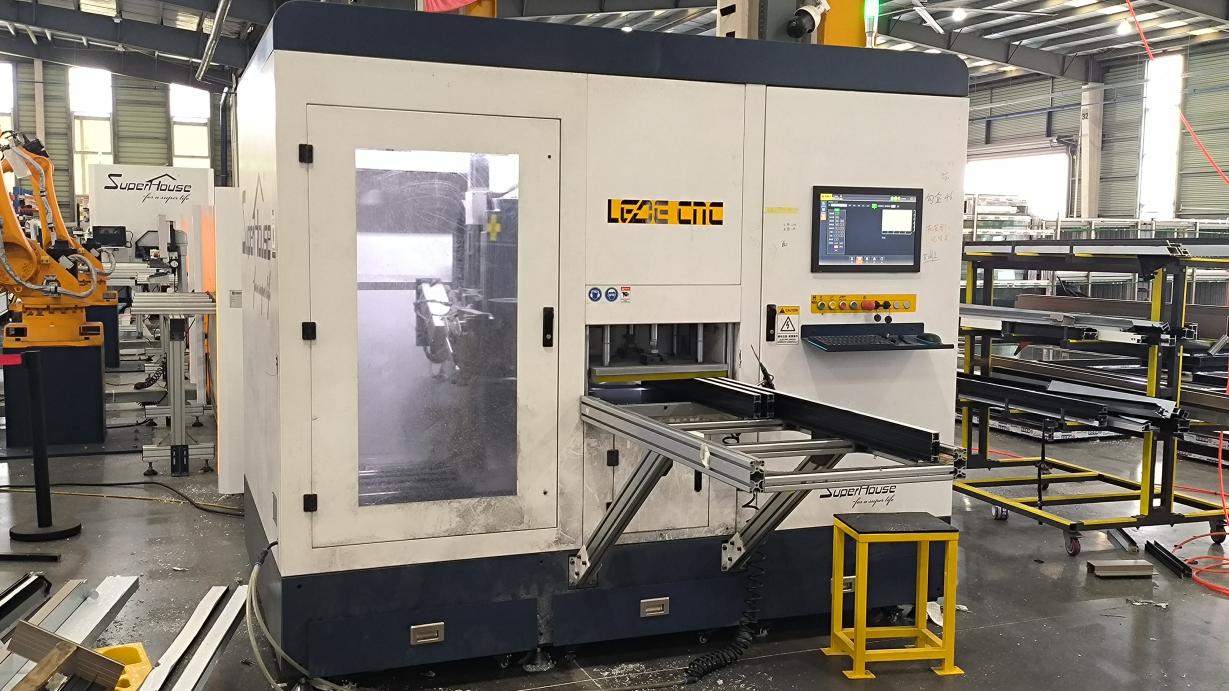
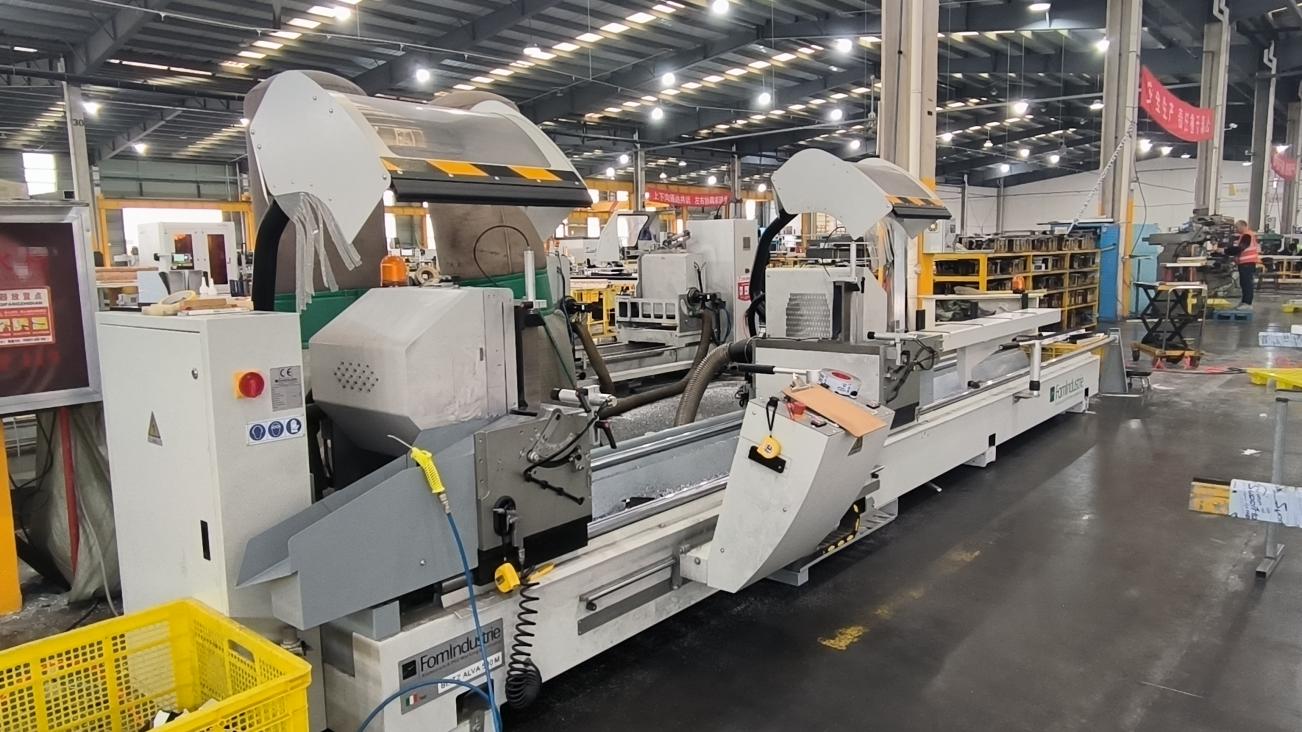
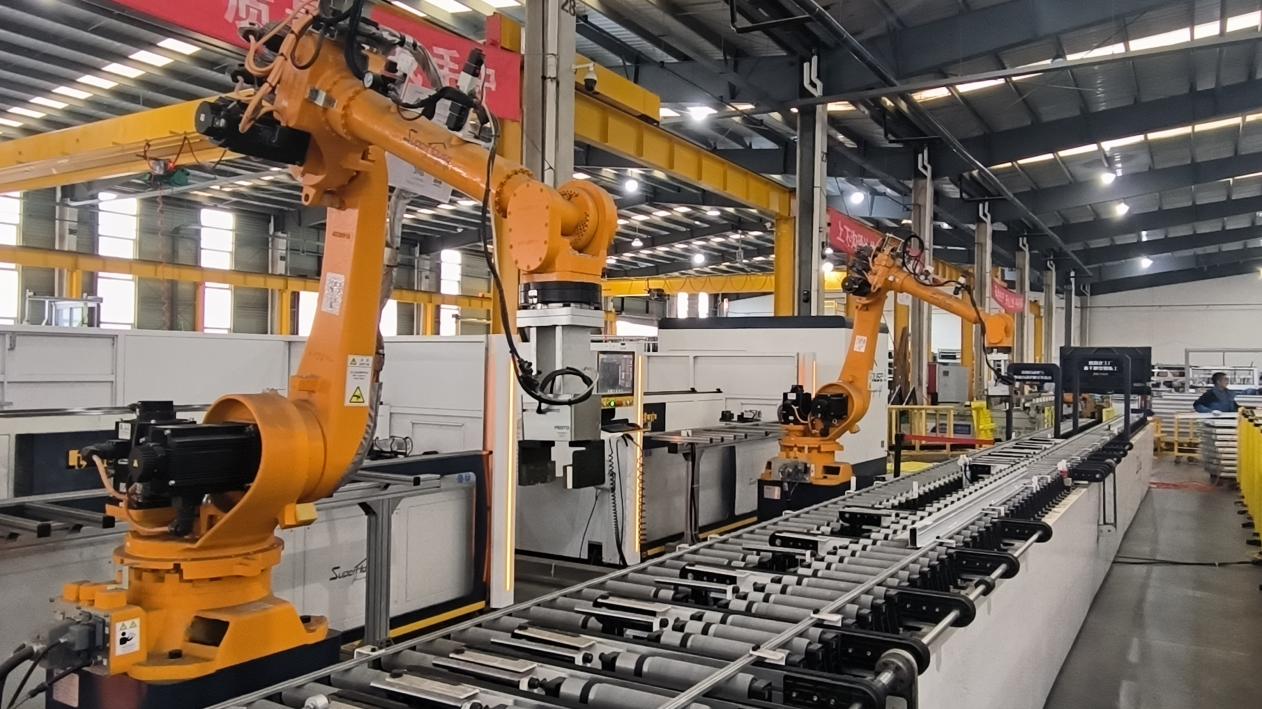
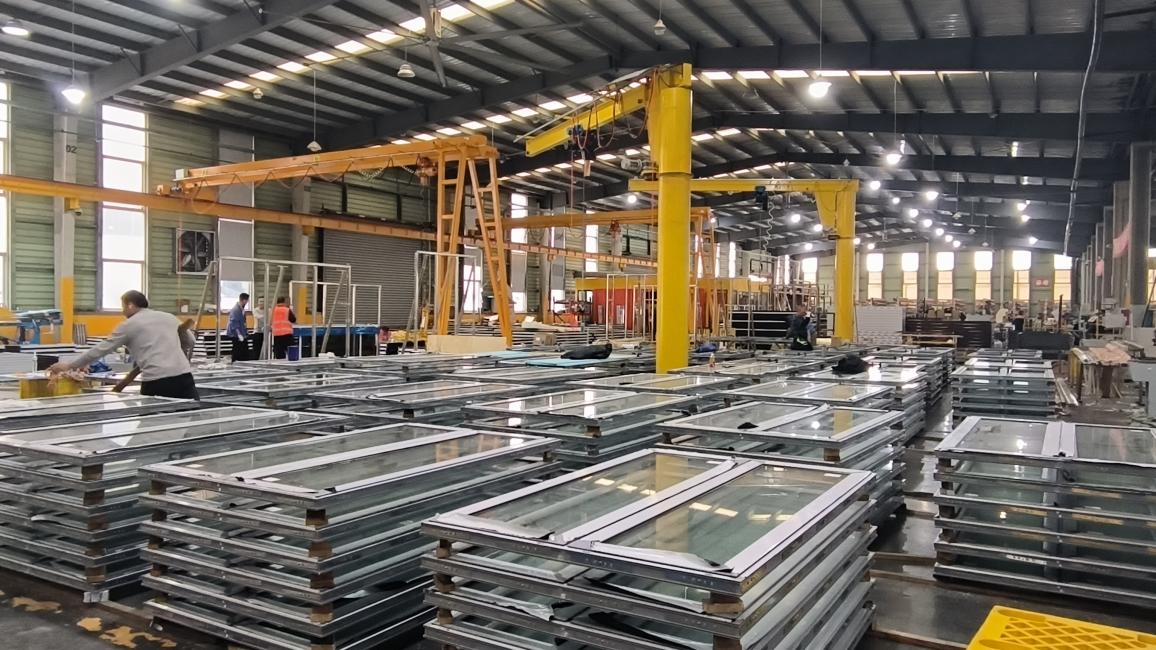
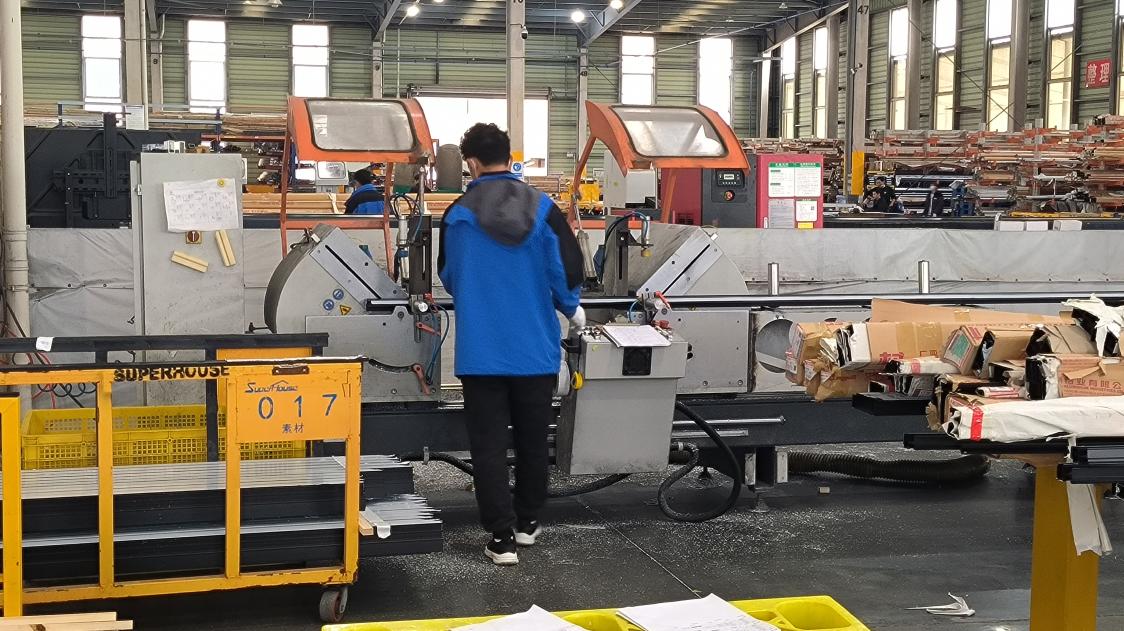
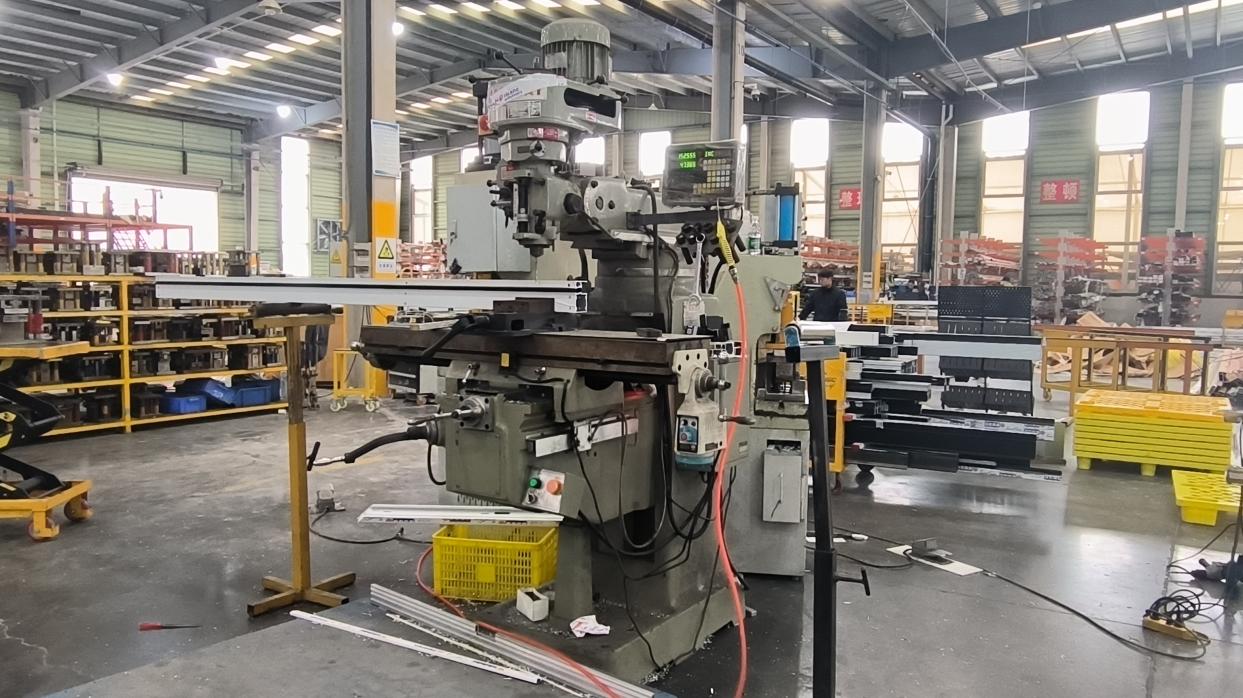
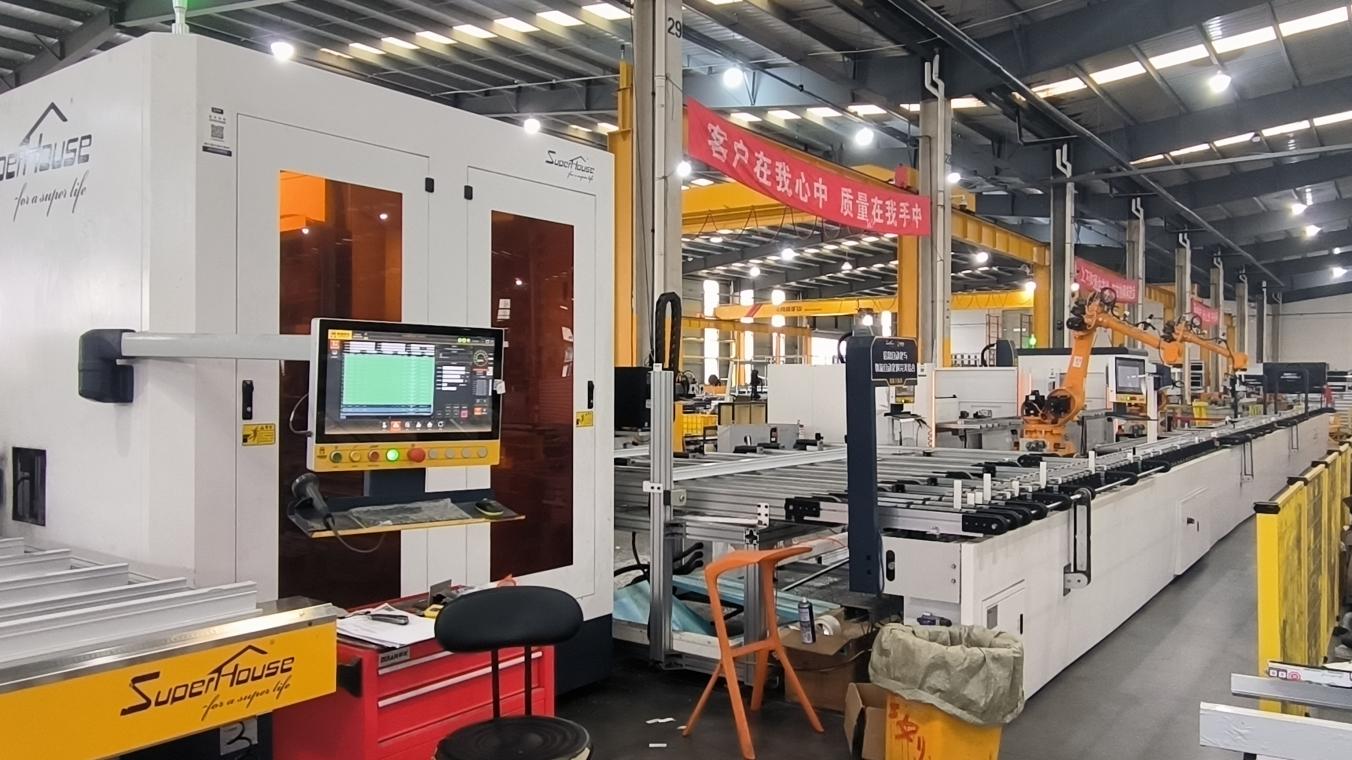
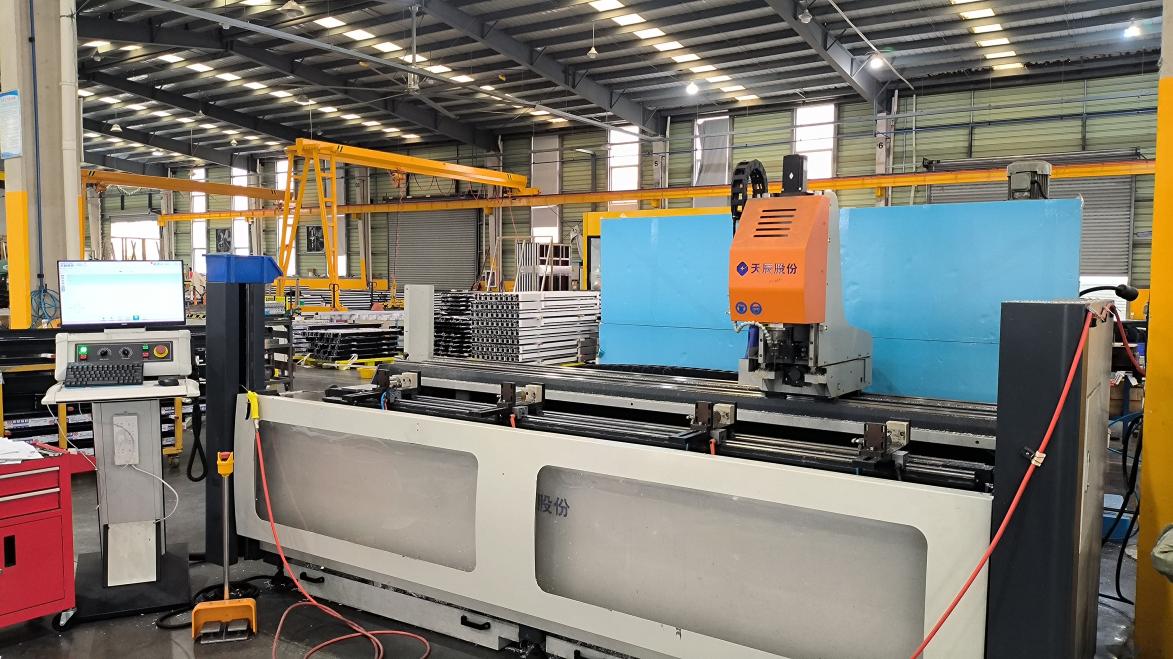
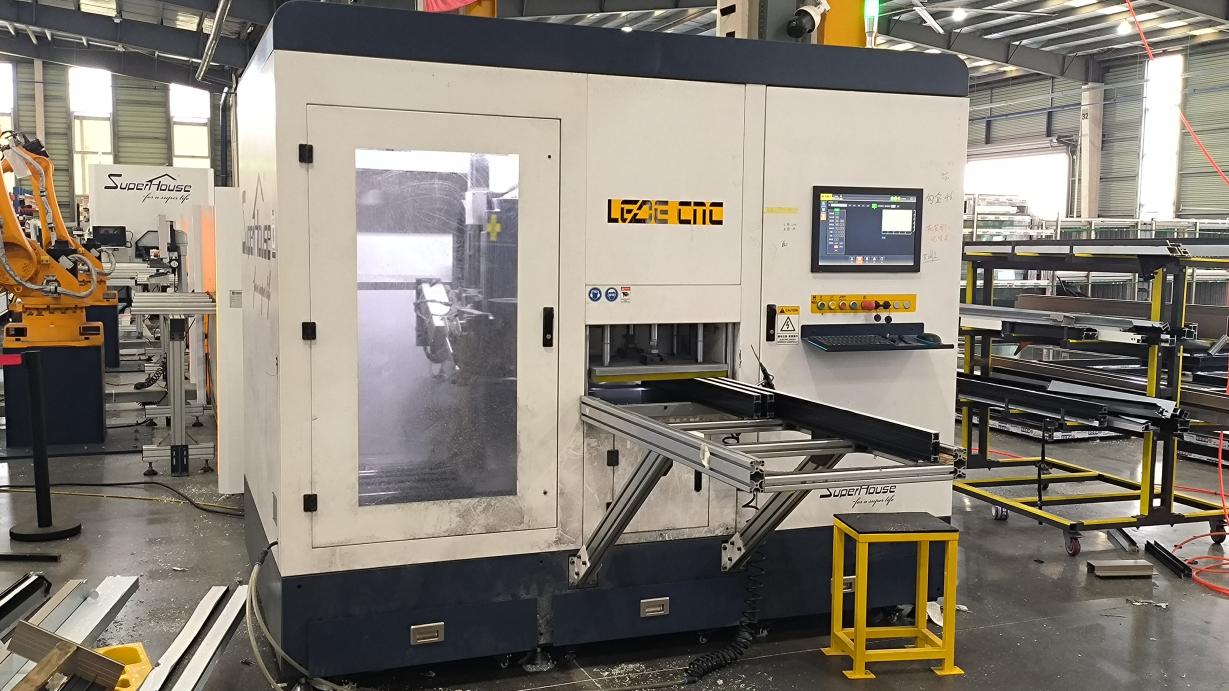
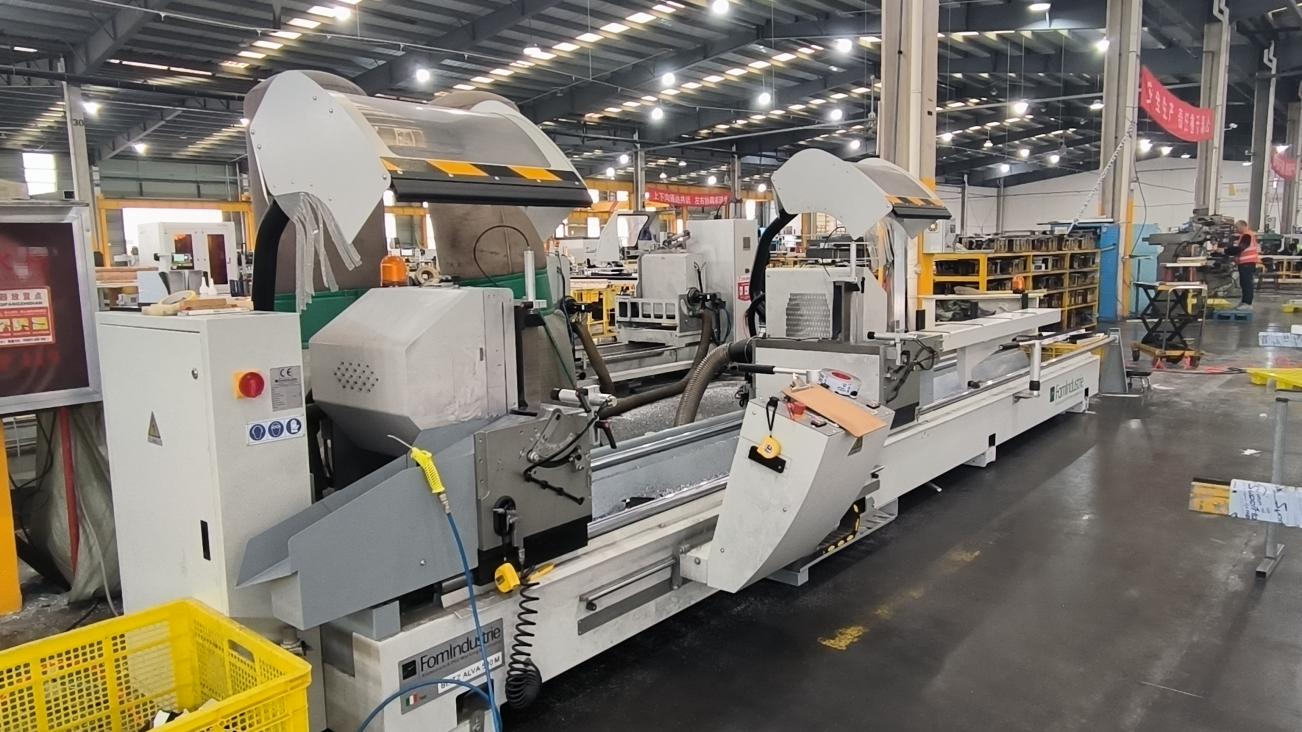
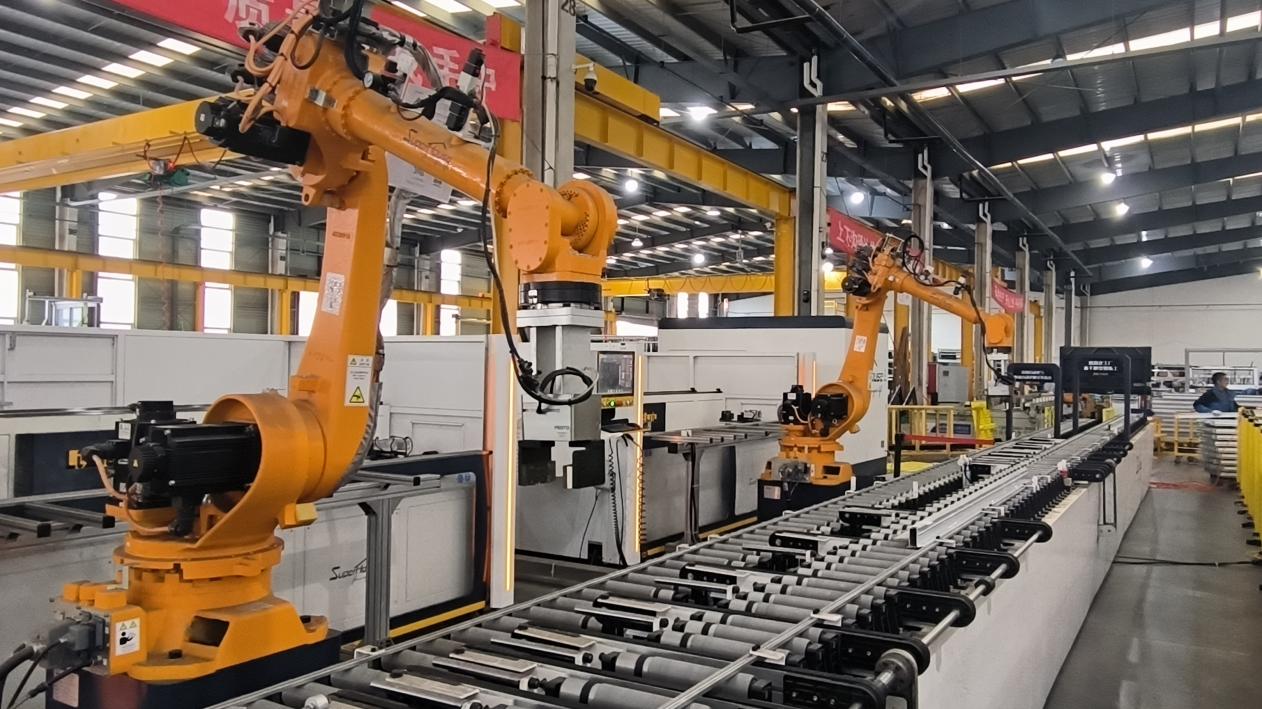
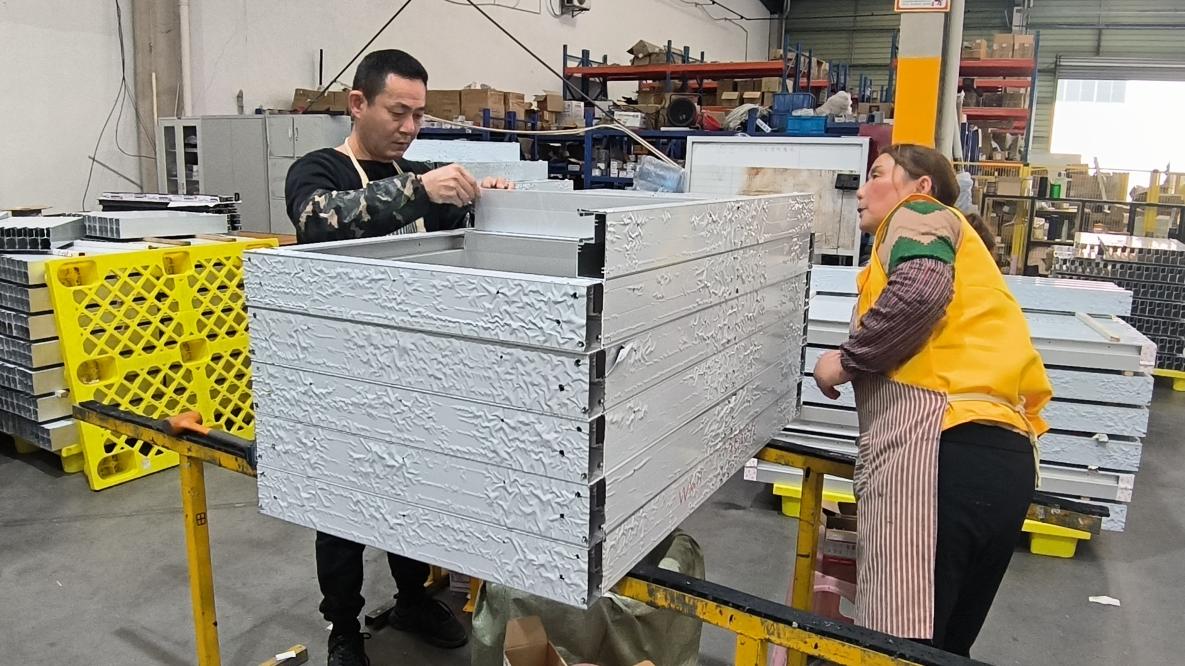
Inside Grandex Door Solutions Co., Ltd.: Leveraging automated robotics, digital sorting, and advanced alloy processing within a 35,000 m² smart plant environment.
Established in 2014, Grandex Door Solutions Co., Ltd. is a premier entry door manufacturer operating from a modern 35,000 m² facility. With 16 years of industry expertise and 8 years of dedicated export experience, the company generates an annual export revenue of USD 28 million. Grounded in strong OEM and ODM trade backgrounds, our products primarily serve North America and Western Europe, supported by a network of over 1,200 supply chain partners. We cater to leading building material distributors, real estate developers, and commercial contractors. Quality is integral to our operations: supported by strict ISO 9001 certified internal testing and third-party laboratory verification, our 45-member QA team ensures rigorous quality control throughout production. Driven by an active R&D division with 85 specialized engineers, we introduced 120 new door designs last year and offer full custom solutions spanning custom dimensions, security locks, surface finishes, and decorative glass panels.
Tailored engineering configurations designed for specific environmental demands, structural codes, and occupancy types.
Primary Vulnerability: High saline air, extreme wind loads, severe solar exposure, and forced-entry risk.
Configured Solution: Heavy-duty thermal break aluminum profiles treated with Qualicoat Class 2 powder coating or fluorocarbon (PVDF) finishes. Integrated with 5-point bi-directional stainless steel hook locks (SUS316), heavy-gauge impact-laminated glass sashes, and concealed drop-down bottom seals to withstand coastal storms and salt corrosion.
Primary Vulnerability: Continuous high-frequency foot traffic, panic egress compliance, and forced intrusion.
Configured Solution: Low-threshold aluminum entrance doors equipped with electro-mechanical multi-point locking gearboxes connected to building access card readers. Outward-opening configurations featuring UL-listed emergency panic exit bars (EN 1125 compliant) ensure rapid emergency egress while maintaining high security against unauthorized entry.
Primary Vulnerability: Acoustic transmission between units/street levels, fire containment, and standardized keying systems.
Configured Solution: Multi-point locking apartment entrance systems featuring sound-dampening acoustic cores (STC ratings up to 45 dB) paired with fire-rated intumescent seals (EN 1634-1 certified for 30/60 minutes fire resistance). Master-keyable mechanical cylinders or smart RFID latch systems.
Addressing crucial engineering, compliance, and supply chain queries for architectural buyers and project estimators.
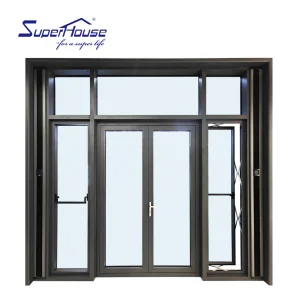
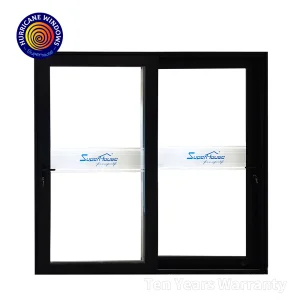
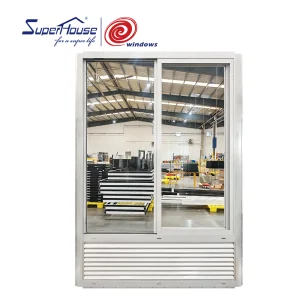
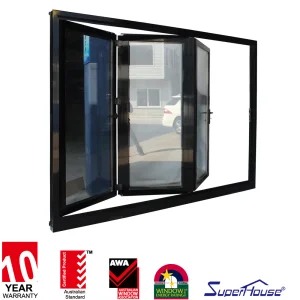
Complete fenestration solutions engineered for extreme weather, commercial storefront safety, and modern interior partitioning.
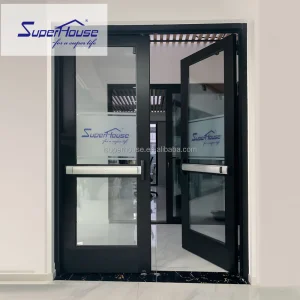
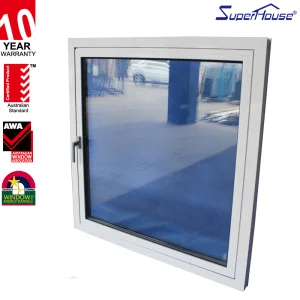
A standardized 5-step operational workflow for international developers, architects, and wholesale distributors.
Review of project blueprints, elevation schedules, wind load requirements (DP rating), thermal U-factor targets, and local building code compliance parameters.
Our 85-person R&D team generates 2D cross-section shop drawings, 3D BIM models, profile thermal break simulations, and multi-point lock hardware placement layouts for sign-off.
Physical sample fabrication subjected to internal air/water pressure testing, lock cycle endurance runs, and third-party laboratory audits (CE, NFRC, ISO 9001).
Industry 4.0 precision CNC cutting, milling, and digital sorting across our 35,000 m² plant floor. Finished units are export-packed in steel-framed crates for global shipping.
 Grandex Door