Explore our primary export-grade architectural products, engineered for rigorous access control integration, wind-load resistance, and thermal efficiency.
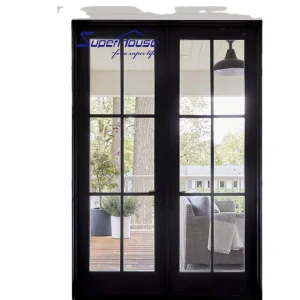
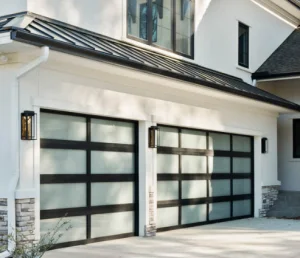
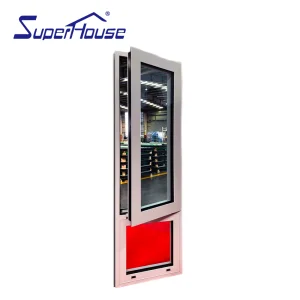
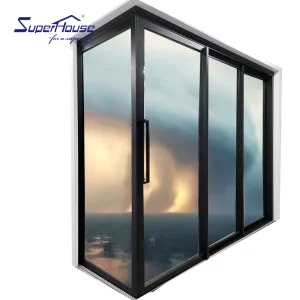
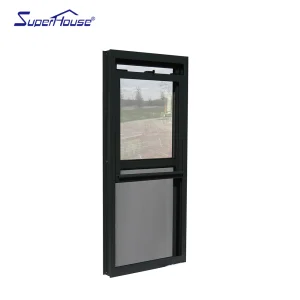
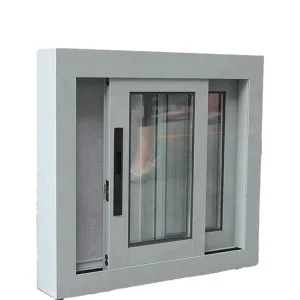
In contemporary architectural design, the convergence of perimeter physical security, structural durability, and automated access governance has redefined the role of commercial entrance doors. Modern aluminum access control door systems no longer act as simple mechanical barriers. Instead, they operate as intelligent, electro-mechanical nodes within smart building management networks (BMS). Enterprise project developers, commercial contractors, and system integrators face escalating demands to source aluminum doors that seamlessly blend High-Velocity Hurricane Zone (HVHZ) structural strength, thermal performance, cyber-physical security, and aesthetically refined minimalism.
Evaluating the global vendor ecosystem requires analyzing key performance parameters: aluminum alloy composition (such as structural T6 temper 6063 profiles), thermal break insulation strips (polyamide PA66 GF25), access control hardware integration capabilities (electromagnetic shear locks, electric mortise latches, motorized multipoint locking), and stringent regional building compliance (including Florida Building Code NOA, NFRC energy ratings, and AS2047 standards).
Extruded 6063-T6 aluminum alloys engineered to withstand TAS 202 cycle testing, extreme wind-loads, and forced entry threats in demanding environments.
Factory-pre-drilled raceways accommodating Wiegand, OSDP, power transfer hinges, biometric scanners, and smart motorized latches.
Technoform polyamide thermal barriers combined with double or triple insulated glass units (IGU) to optimize U-factors and STC acoustic ratings.
The commercial access control aluminum door market spans diverse regional regulatory regimes and architectural expectations. Sourcing executives must evaluate supplier competencies across key international territories:
Demands compliance with Florida Building Code (FBC) High-Velocity Hurricane Zones (HVHZ), Miami-Dade NOA (Notice of Acceptance), and TAS 201/202/203 testing. Thermal ratings must align with NFRC parameters (U-factor < 0.28, SHGC < 0.22). Access control systems predominantly utilize OSDP protocols over RS-485 to prevent signal interception at the door frame.
Focuses heavily on deep thermal break performance (EN ISO 10077-2 standards) and EN 1634 fire resistance ratings. Integrations require low-voltage motor locks compatible with KNX and BACnet protocol networks. Precise powder coating finish thickness (> 60 μm Qualicoat Class 2) is essential for coastal corrosion protection.
Demands solar heat gain mitigation alongside AS2047 structural compliance. Entrances must endure high ambient dust levels and thermal expansion spikes. System specifiers prioritize IP65-rated waterproof electronic locking enclosures combined with heavy-duty commercial hydraulic concealed closers.
Achieving seamless access control in heavy-duty aluminum door profiles requires precise engineering during the extrusion, milling, and assembly stages. Retrofitted installations often suffer from compromised structural integrity and exposed wiring. Advanced OEM/ODM manufacturers mitigate these risks through factory-engineered hardware raceways and modular lock pockets.
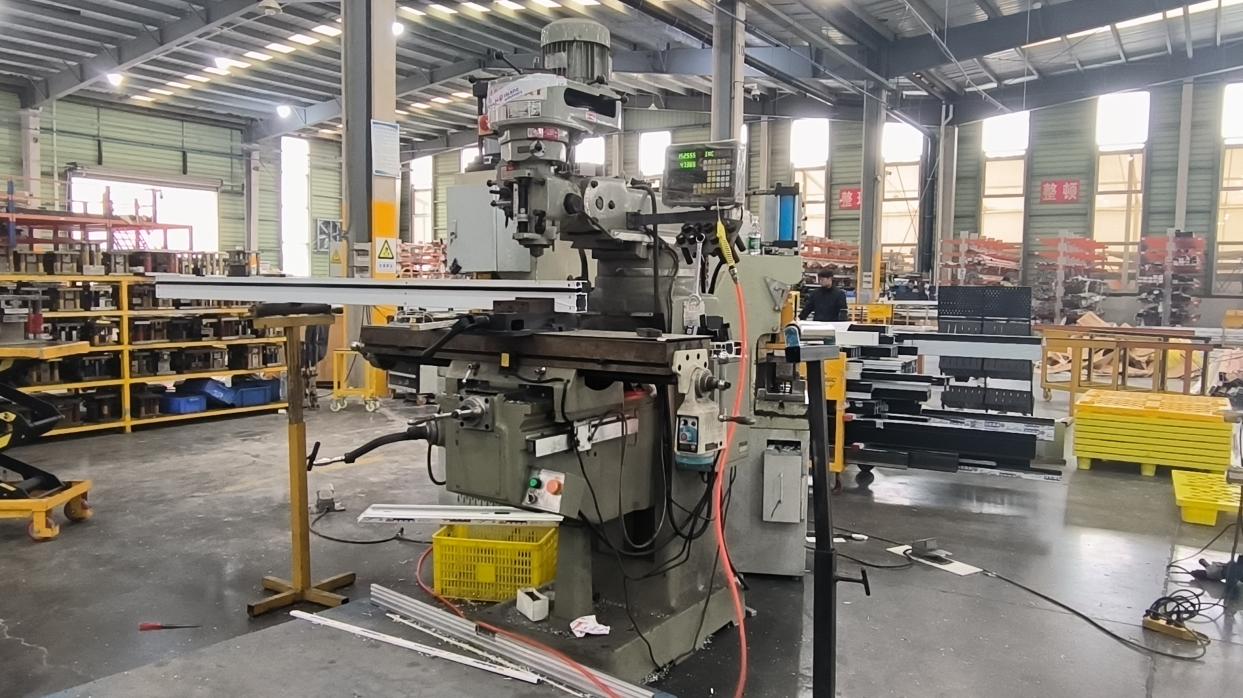
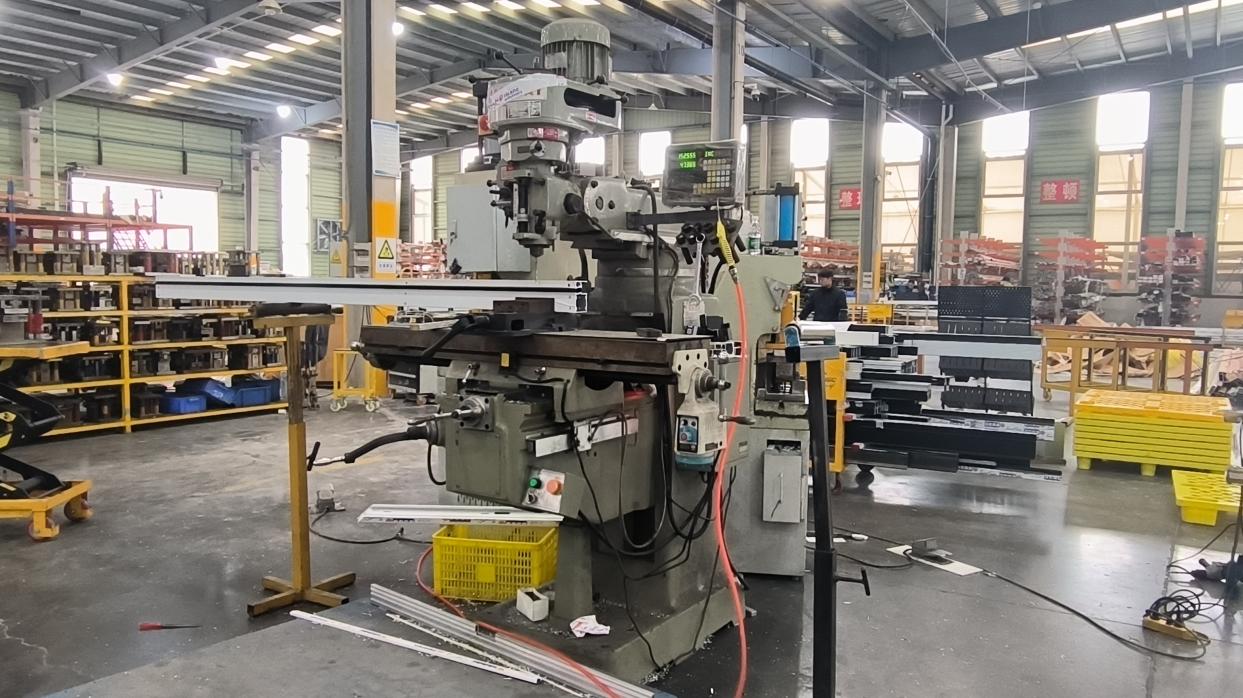
5-axis CNC multi-spindle milling carves lock pockets to sub-millimeter tolerances for fail-safe (power-to-lock) or fail-secure (power-to-unlock) motorized latches, electric strikes, or magnetic shear locks rated up to 1500 lbs holding force.
Integrating heavy-duty 8-wire continuous power transfer hinges (PTH) or concealed armored power loops within the aluminum door jamb ensures clean aesthetics while protecting wiring from tampering, pinching, or weather wear.
Flush-mounted capacitive fingerprint readers, 3D structured-light facial recognition cameras, and RFID/NFC readers integrated into the aluminum stile, featuring IP66 weatherproofing and IK10 vandal resistance.
Access control aluminum doors perform vital functions across diverse commercial, industrial, and high-security settings. Specialized configuration pathways accommodate distinct operational requirements:
High-traffic main entrance swing doors configured with automated operators, badge readers, and optical turnstile interlocks. Demands high structural cycle durability (>1,000,000 cycles) and emergency break-out compliance under NFPA 101.
Smart entrance portals equipped with cloud-interfaced IP video intercoms, mobile credential access (BLE/NFC), and heavy-duty thermal break aluminum frames that reduce building envelope thermal loss.
Over-sized custom aluminum entrance pivot and sliding systems featuring Miami-Dade NOA hurricane impact laminated glass, motorized locking bolts, and coastal grade fluorocarbon coatings.
Reinforced aluminum doors featuring dual-credential multi-factor authentication (Biometric + PIN), emergency crash-bars, anti-tailgating occupancy sensors, and high STC acoustic dampening.
Established in 2014, Grandex Door Solutions Co., Ltd. operates as a premier global entry door manufacturer operating from a modern 35,000 m² facility. Backed by 16 years of industry expertise and 8 years of dedicated export operations, Grandex generates an annual export revenue of USD 28 million, serving premier building material distributors, real estate developers, and commercial contractors across North America and Western Europe.
Quality is central to operations: supported by strict ISO 9001 certified internal testing protocols and third-party laboratory verification, the 45-member QA team ensures rigorous quality control throughout production. Driven by an active R&D division with 85 specialized engineers, Grandex introduced 120 new door designs last year, offering full custom solutions spanning bespoke dimensions, security locks, surface finishes, and decorative insulated glass panels.
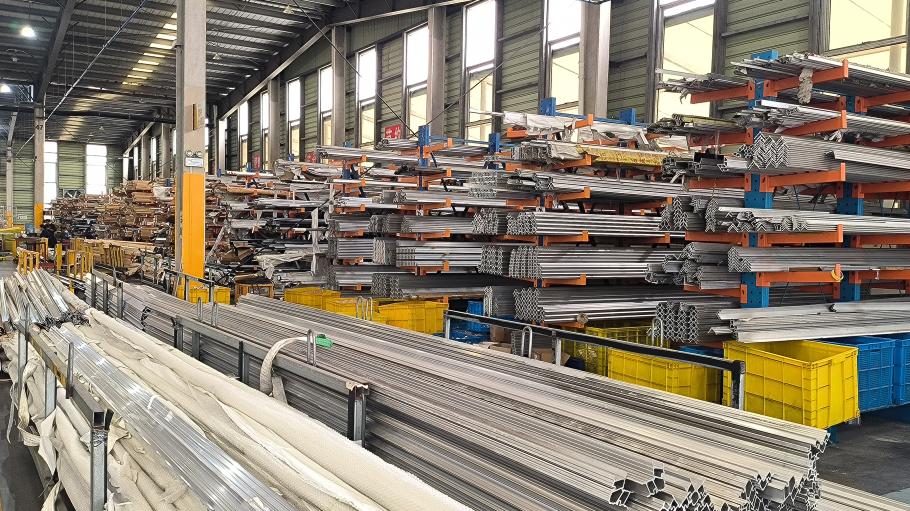
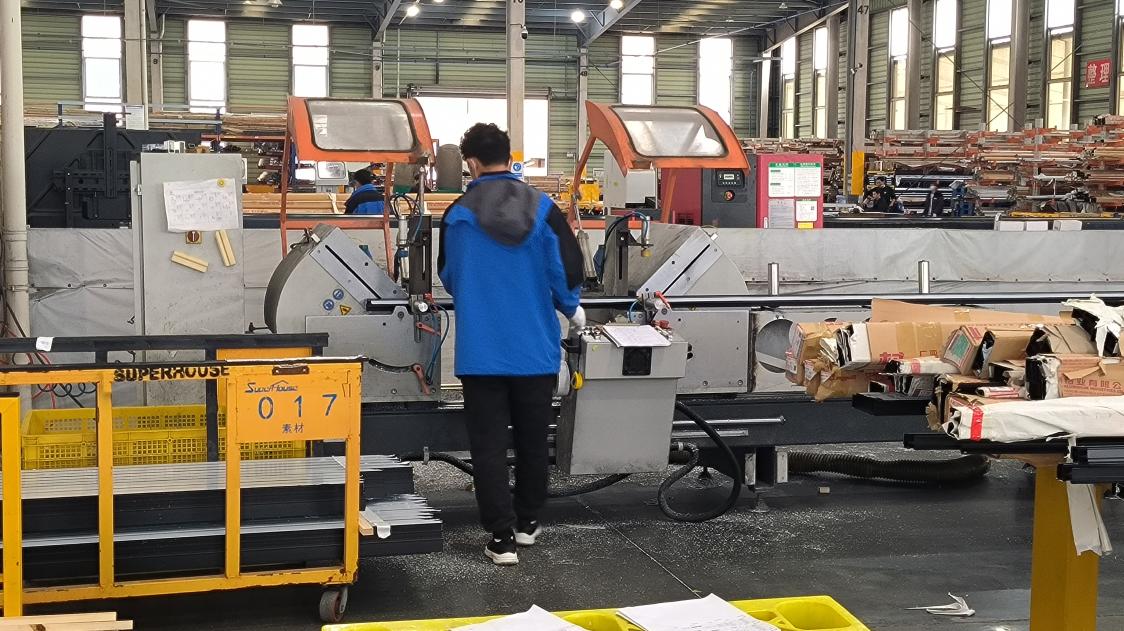
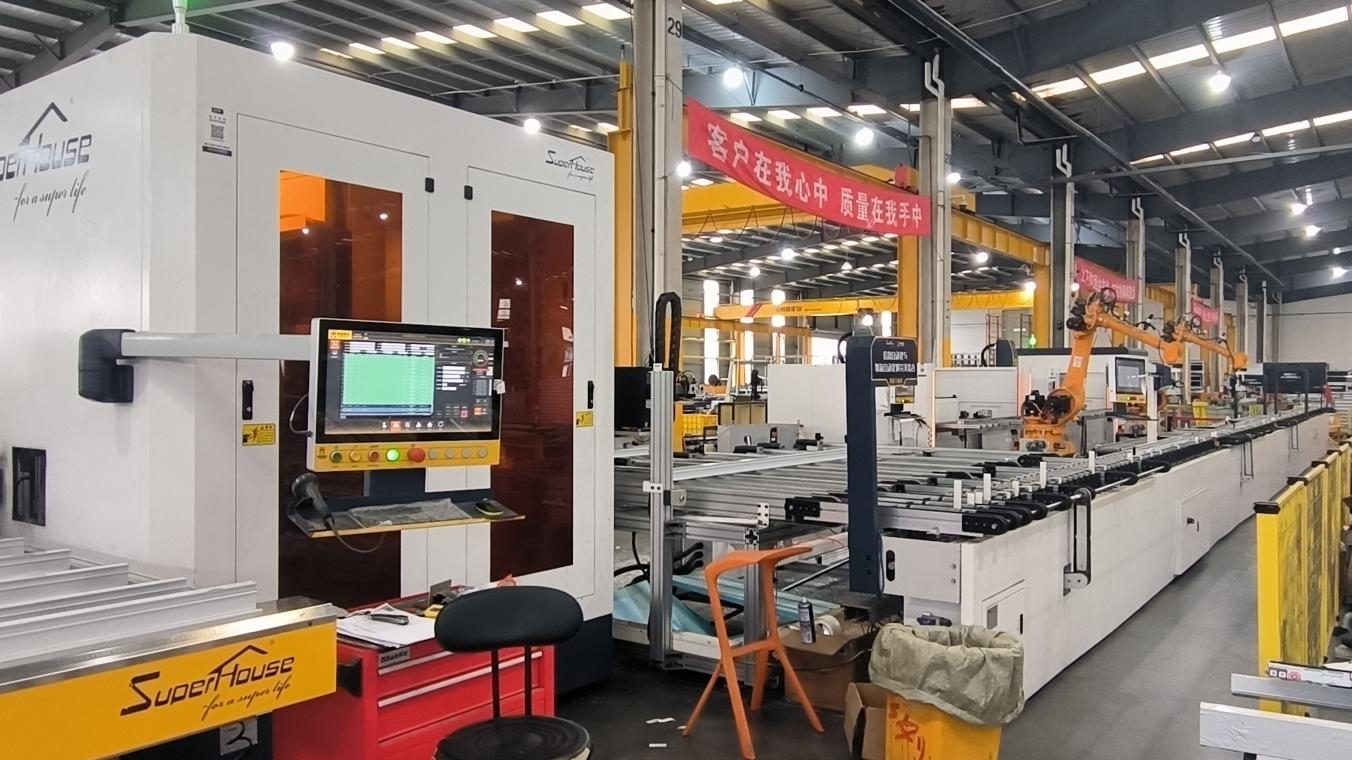
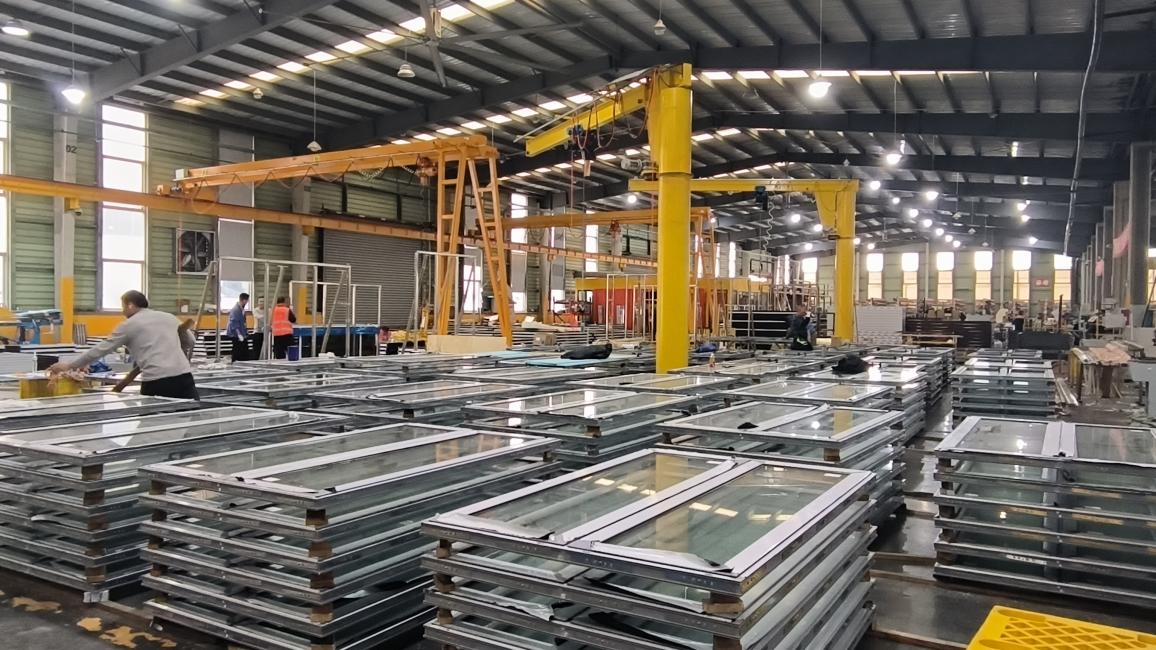
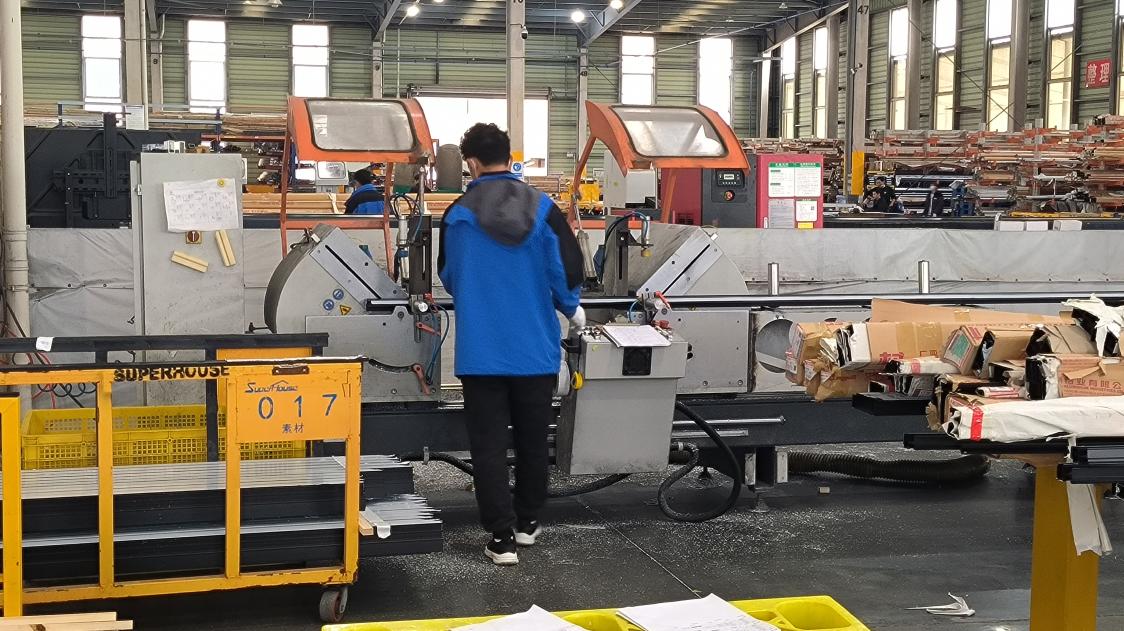
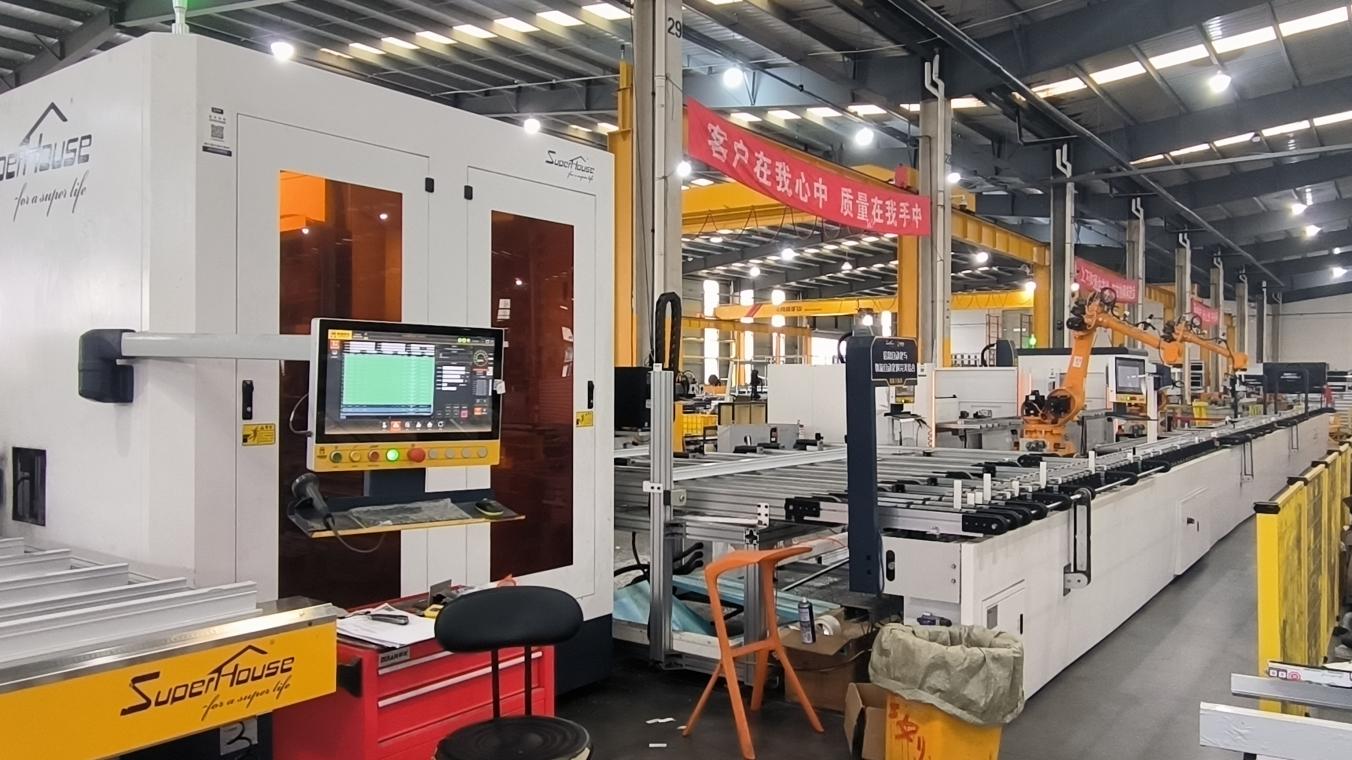
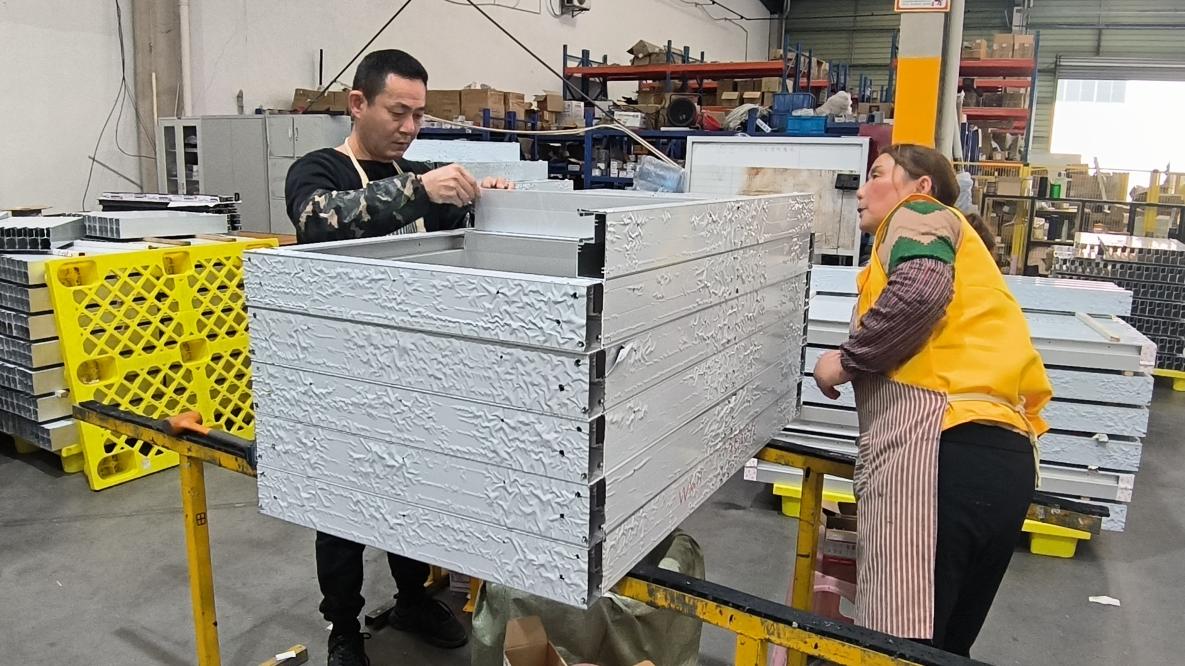
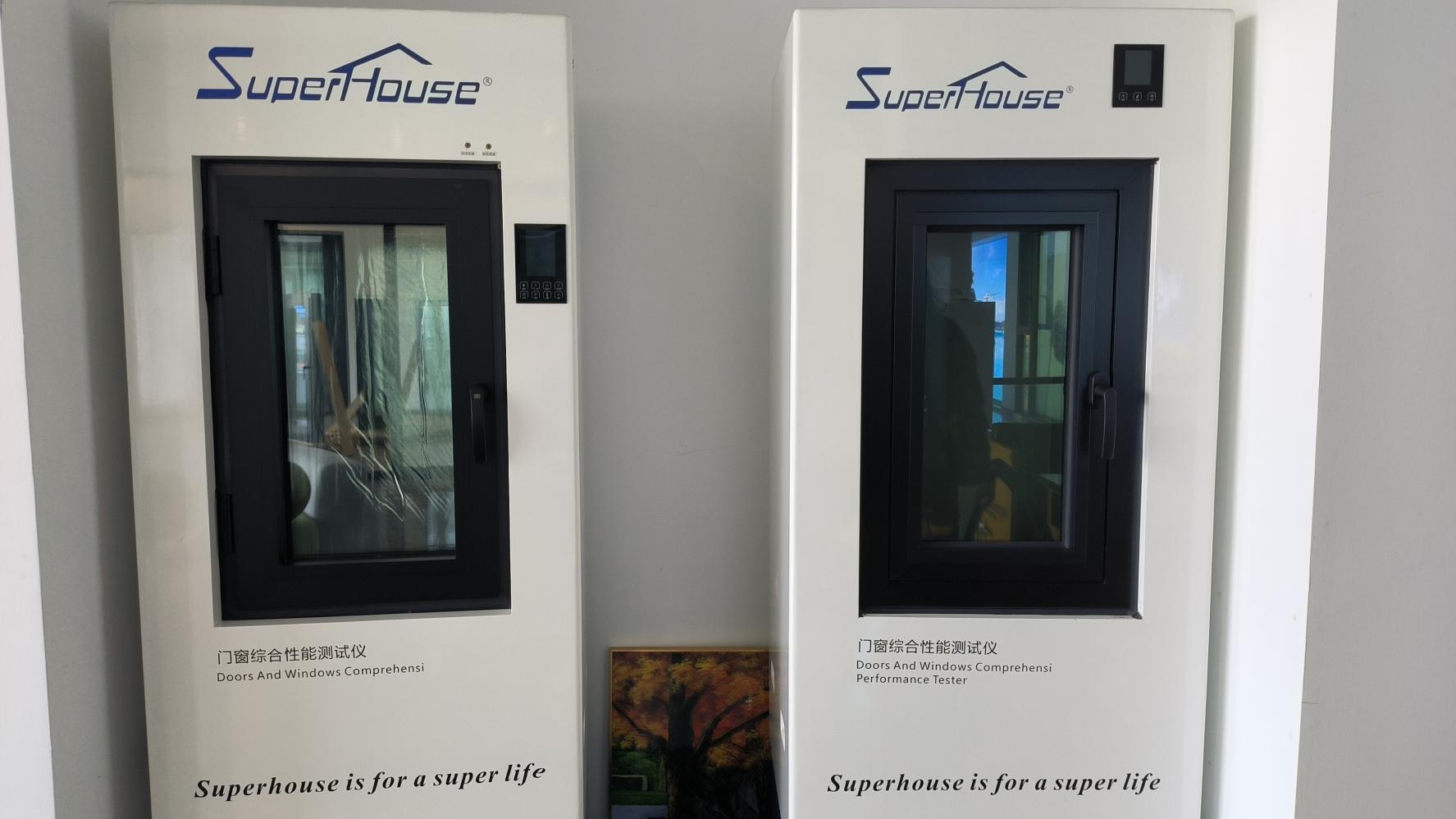
Every aluminum access control door undergoes comprehensive processing through automated tooling centers, precision CNC milling stations, and performance verification lines to ensure structural accuracy and reliable lock hardware operation.
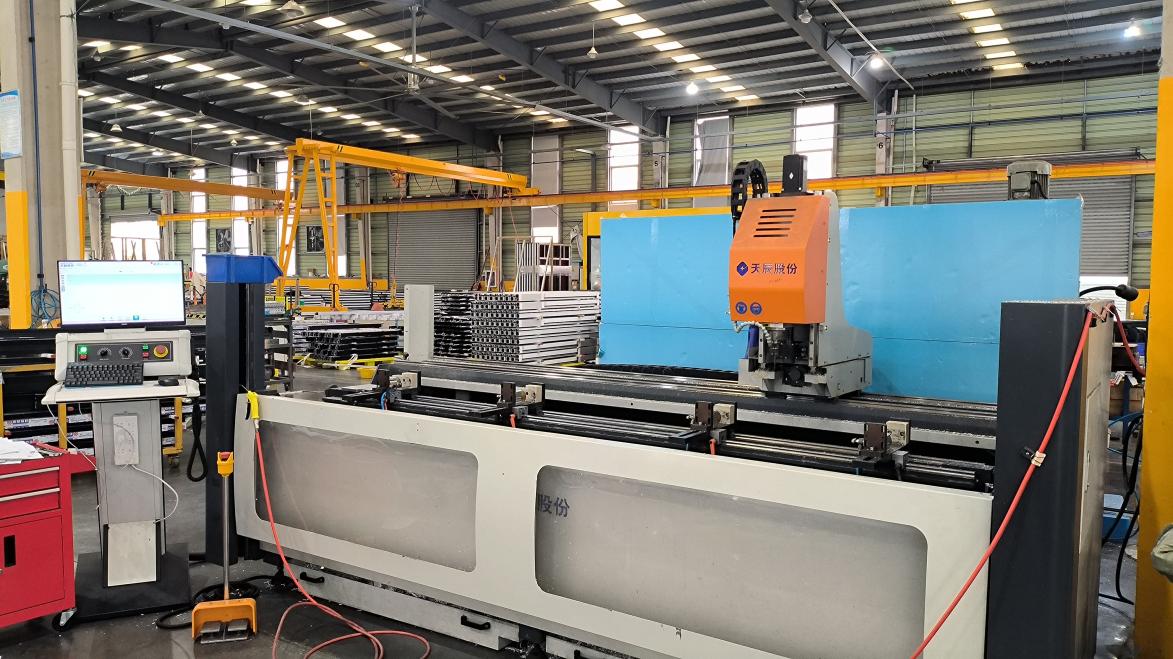
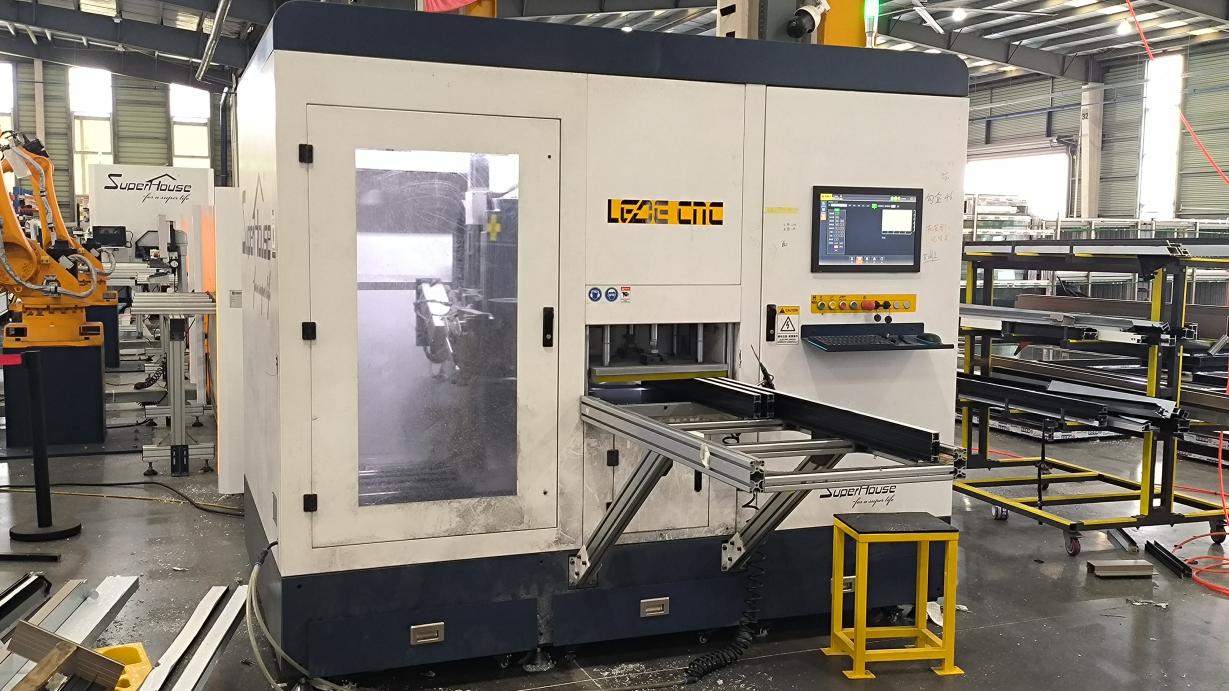
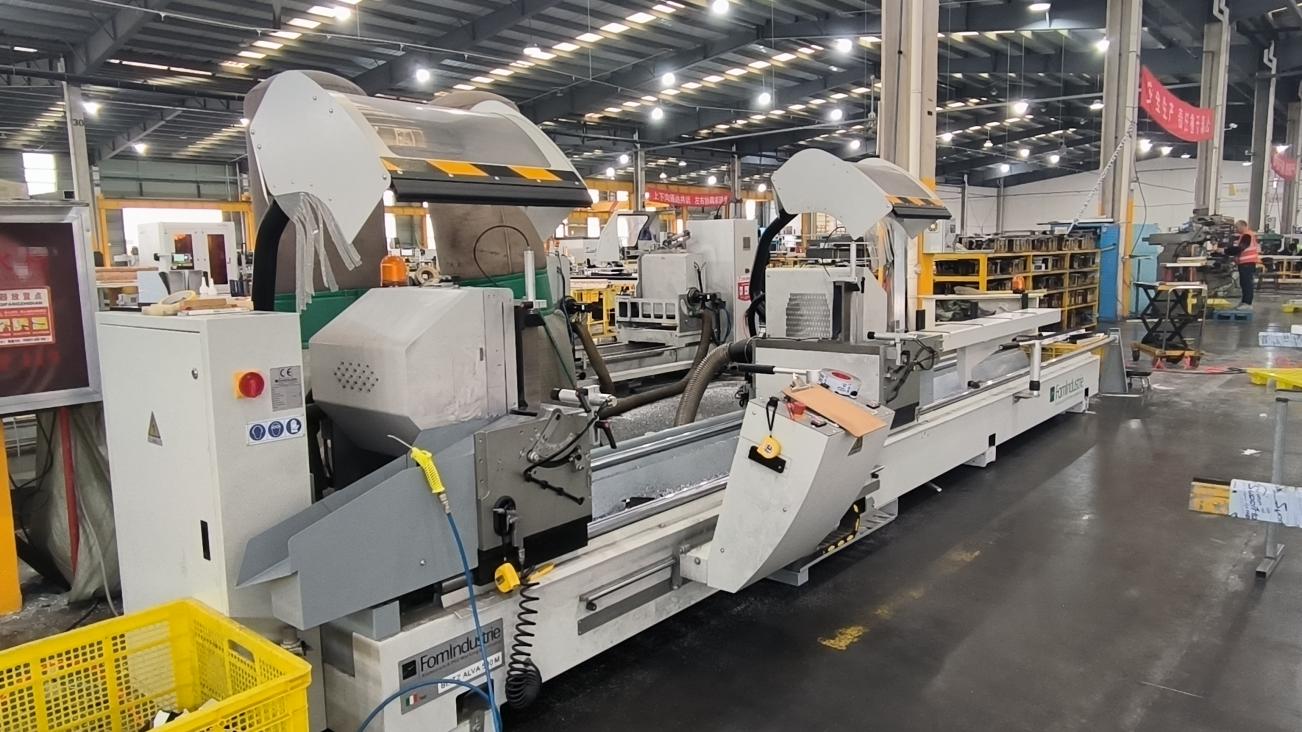
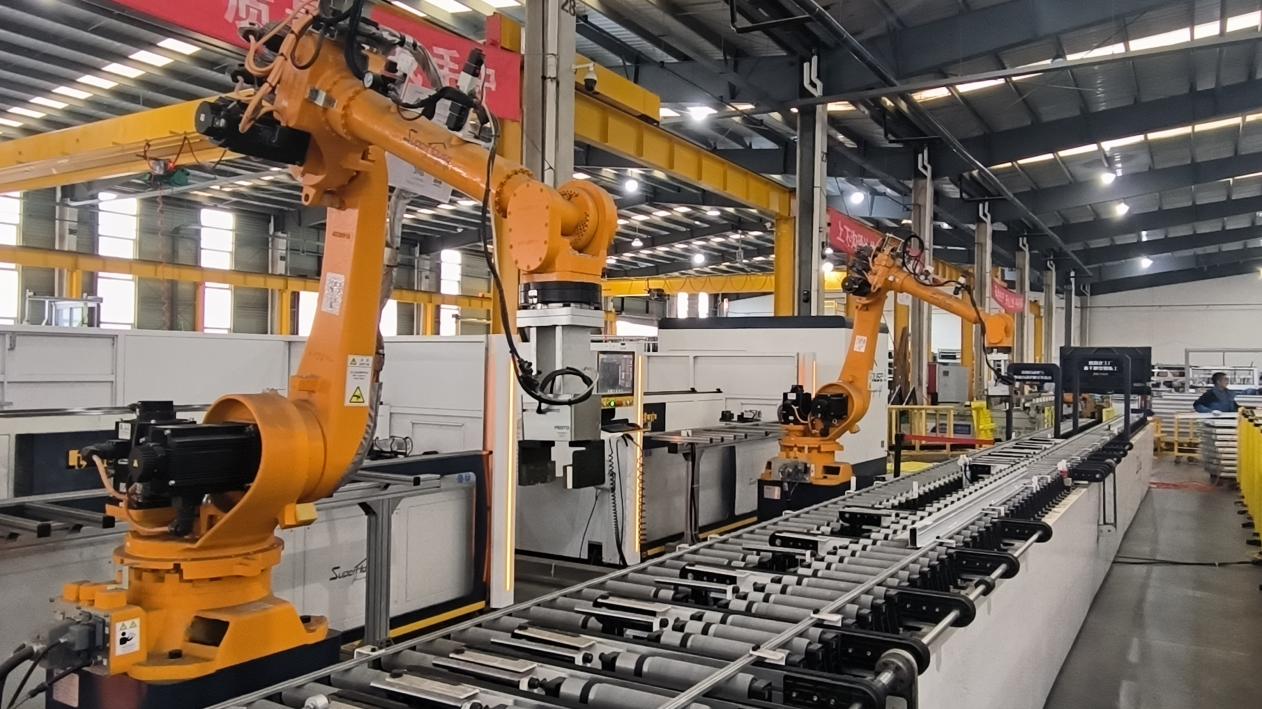
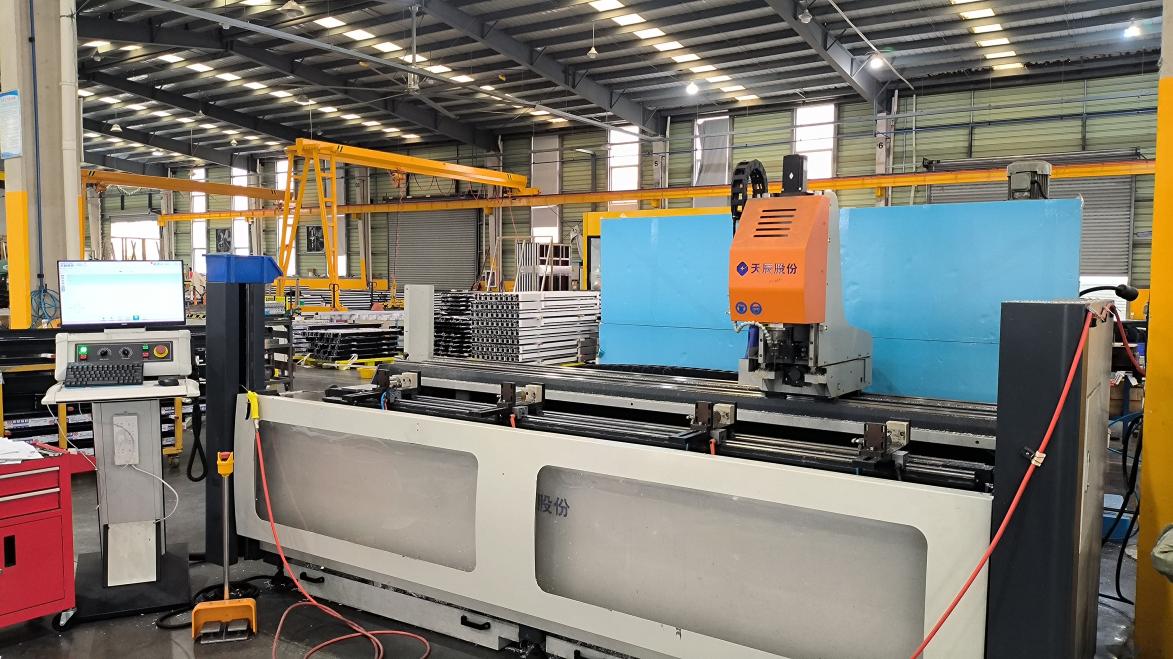
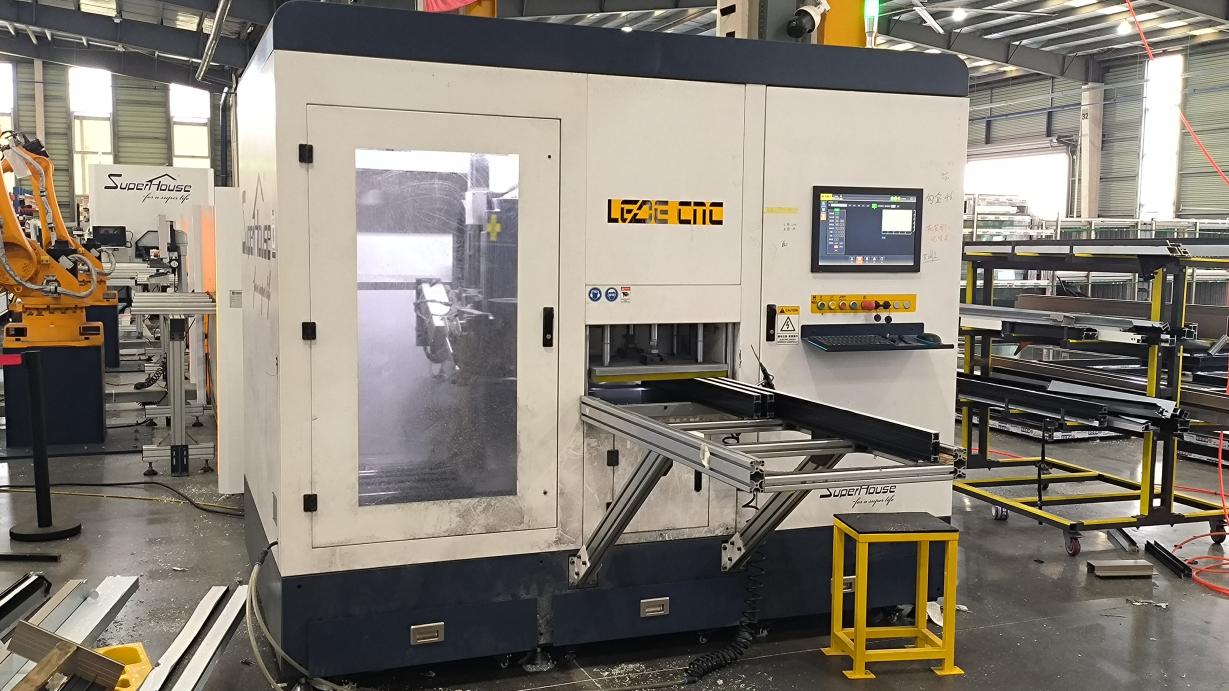
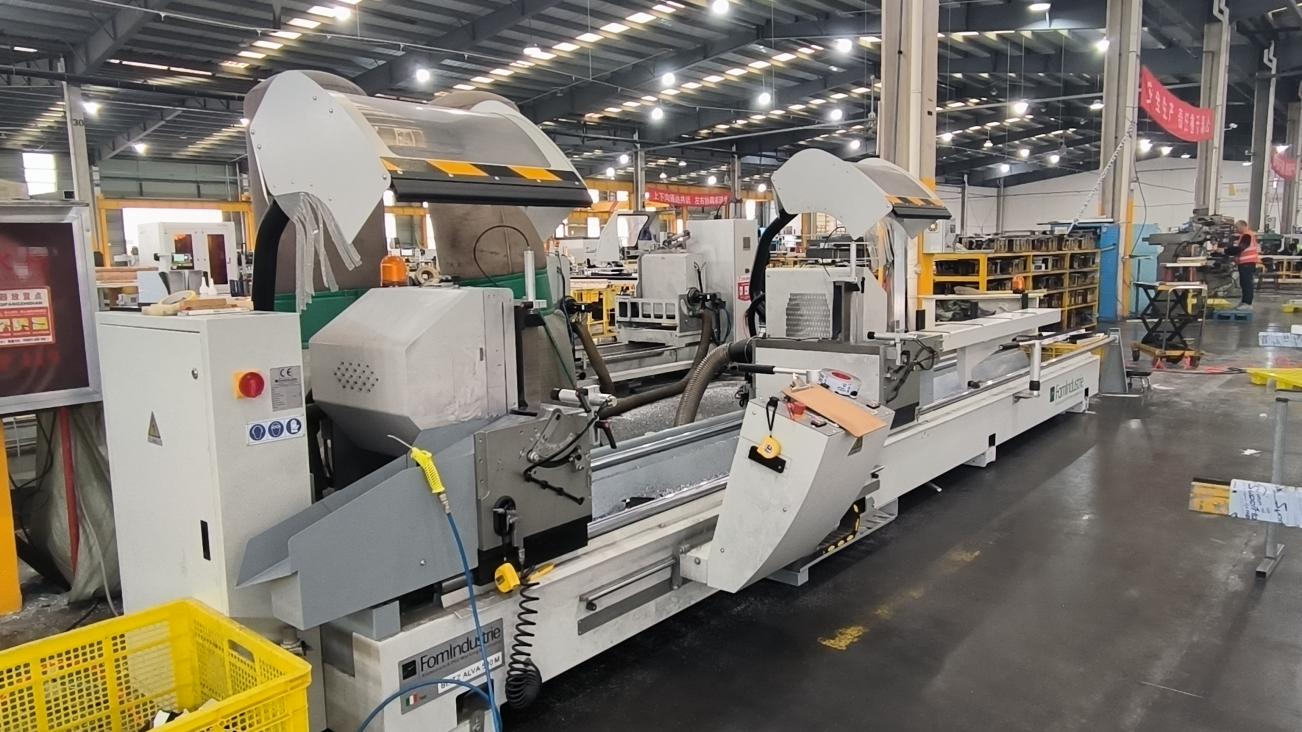
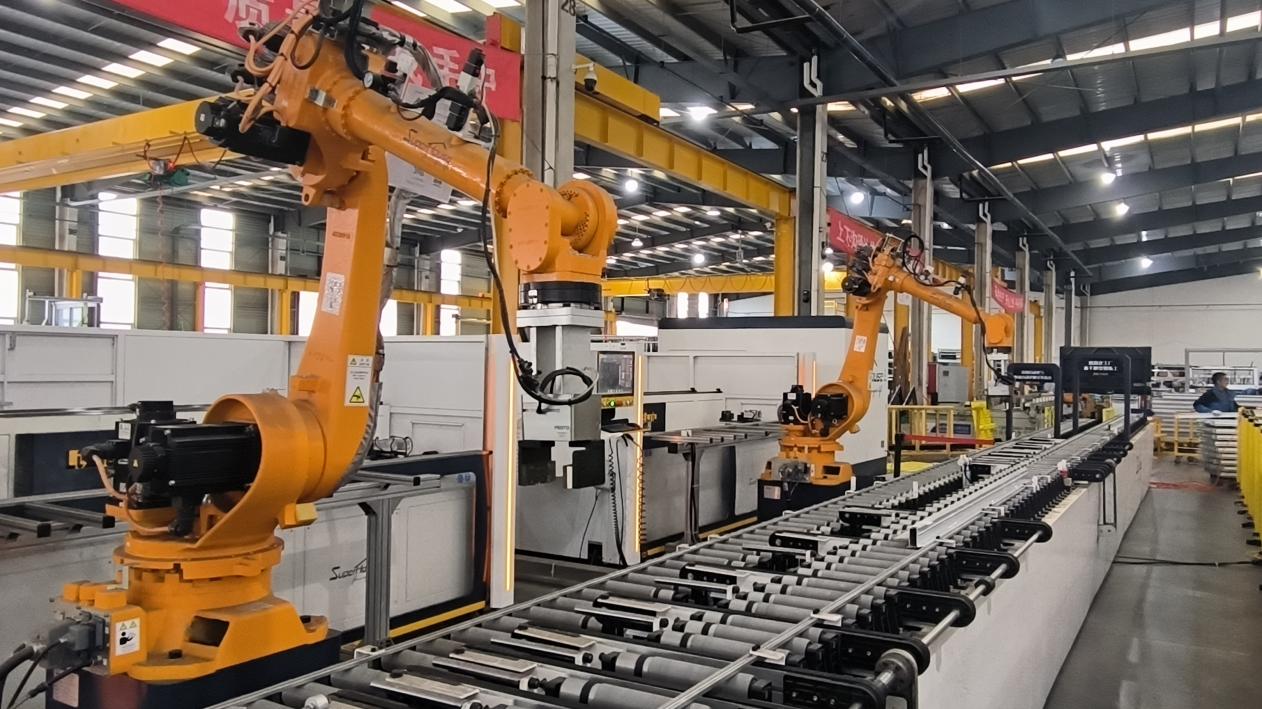
When evaluating global access control aluminum door suppliers, engineering teams must benchmark manufacturers against key operational criteria to ensure project compliance and lower total cost of ownership (TCO):
| Evaluation Vector | Tier 1 Premium Manufacturers (e.g., Grandex) | Standard Commercial Tier | Low-Cost Economy Tier |
|---|---|---|---|
| Extrusion Alloy & Temper | 6063-T6 / 6061-T6 Heavy Wall Profile (≥2.0mm) | 6063-T5 Standard Profile (1.4mm - 1.6mm) | Recycled Low-Grade Aluminum (<1.2mm) |
| Access Control Integration | Factory CNC pre-milled raceways & hidden wire conduits | Basic lock prep; field drilling required | No internal wiring raceways or prep |
| Impact & Wind Certification | Miami-Dade NOA, HVHZ TAS 201/202/203, AS2047 | Standard wind-load tested (Non-HVHZ) | Uncertified / Self-declared only |
| Thermal Insulation | PA66 GF25 Polyamide Thermal Break (U-factor < 0.28) | Standard PVC thermal strip (U-factor ~0.40) | Non-thermal break solid aluminum frame |
| Surface Coating Standards | AAMA 2605 / Fluorocarbon PVDF 3-coat (>30 yrs) | Standard Powder Coat (AAMA 2603) | Basic Spray Paint (<3 yrs durability) |
| Quality Control Infrastructure | 45-Member QA Team + ISO 9001 internal/3rd party rigs | Basic batch sampling | Visual spot check prior to shipping |
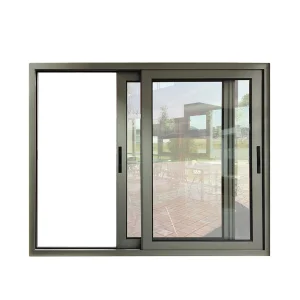
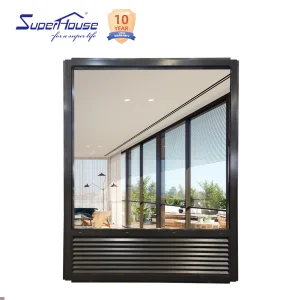
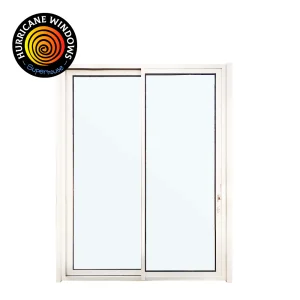
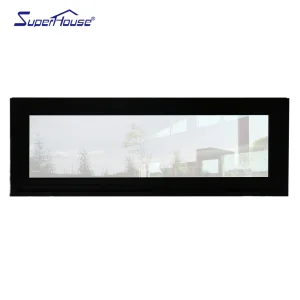
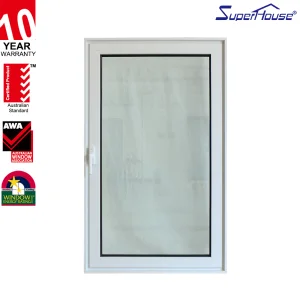
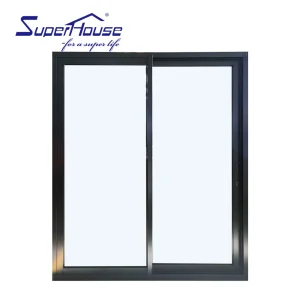
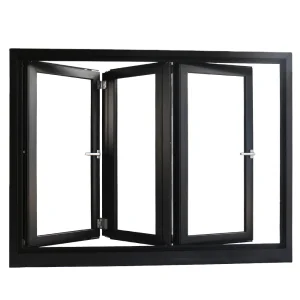
Select from certified window and door configurations engineered to complement commercial access control entryways.
 Grandex Door