Engineered to withstand rigorous international compliance standards including Miami-Dade NOA, NFRC energy performance, and Australian AS2047 benchmarks.
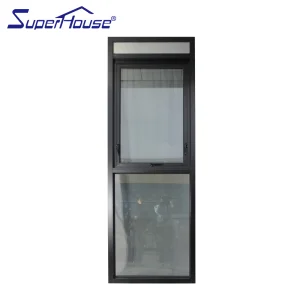
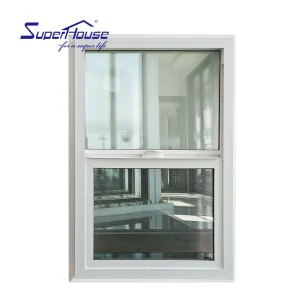
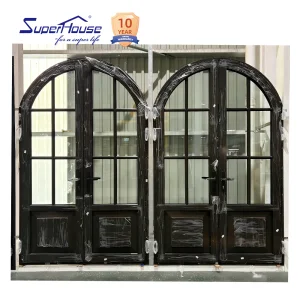
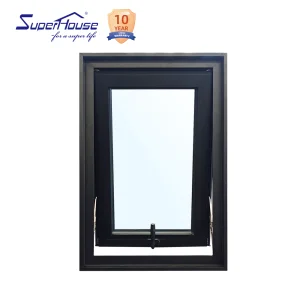
In modern commercial and high-end residential fenestration, the architectural envelope is subject to unprecedented mechanical loads, severe climate events, and demanding thermal efficiency mandates. The global demand for reinforced aluminum door frames has escalated dramatically, transitioning from traditional aesthetic borders to highly complex, load-bearing structural assemblies. Today's structural aluminum profile incorporates advanced alloy metallurgy (primarily 6063-T6, 6060-T6, and 6005A-T6), precision thermal break barriers, multi-chambered internal ribbing, and integrated perimeter anchor channels capable of resisting dynamic wind loads exceeding 9,000 Pascals (Pa).
This technical whitepaper evaluates the top 10 global manufacturers and exporters of reinforced aluminum door frame systems. Through rigorous analysis of tensile strength specs, extrudate consistency, structural thermal break integration (PA66GF25), surface coating durability (AAMA 2605 & Qualicoat Class 3), and compliance verification (Miami-Dade NOA, NFRC, AS2047, CE), this document provides real estate developers, facade engineers, and procurement directors with actionable, data-backed intelligence for supply chain selection.
Key Engineering Insight: Reinforcement in aluminum frame design relies heavily on internal geometric moment of inertia ($I_x, I_y$) combined with steel or composite structural splines inserted into central chambers. This design prevents localized frame deflection under extreme wind loads while avoiding thermal bridging when engineered alongside structural polyamide strips.
Evaluating an international OEM/ODM factory for architectural aluminum systems requires looking beyond surface finish options. Procurement agencies must audit factories against four key technical vectors:
Structural door frames subjected to heavy commercial foot traffic or exterior wind shear require profile wall thicknesses between 2.0mm and 3.0mm. Substandard profile extrusions often exhibit microscopic voids, inconsistent wall thickness (exceeding +/- 0.15mm tolerances), or improper artificial aging (T6 heat treatment), leading to frame twisting and corner joint shear failure.
Non-thermal break aluminum frames act as direct energy conduits, triggering condensation, mold growth, and high thermal losses. World-class factories utilize automated crimping and knurling lines that roll glass-fiber reinforced polyamide strips (PA66GF25) directly between outer and inner extrusions, maintaining structural rigidity across extreme temperature deltas (-30°C to +80°C).
| Performance Metric | Standard Frame Systems | Reinforced Architectural Grade | Evaluation Method |
|---|---|---|---|
| Aluminum Alloy Grade | 6063-T5 (Yield: ~110 MPa) | 6063-T6 / 6005A-T6 (Yield: ≥ 210 MPa) | Spectrometric Alloy Analysis |
| Profile Wall Thickness | 1.2mm - 1.4mm | 2.0mm - 3.5mm (Heavy Commercial) | Digital Caliper & Ultrasonic Gauge |
| Thermal Break Strip | PVC / Low-grade Nylon | PA66GF25 Structural Polyamide | Tensile Transverse Shear Test |
| Coating Thickness (PVDF) | 15 - 20 microns | 35 - 50+ microns (AAMA 2605) | Eddy-Current Coating Gauge |
| Impact Certification | Standard Wind Load | Miami-Dade NOA / Large Missile Impact | TAS 201, 202, 203 Cyclic Air Pressure |
The following technical ranking reflects global manufacturing volume, advanced CNC machining capabilities, export compliance, testing protocols, and engineering innovation.
Factory Overview & Background: Established in 2014, Grandex Door Solutions Co., Ltd. is a premier architectural door and fenestration manufacturer operating from an ultra-modern 35,000 m² automated production facility. Backed by 16 years of comprehensive industry expertise and 8 years of dedicated export operations, Grandex has solidified its status as an international powerhouse serving Tier-1 real estate developers, commercial contractors, and major building material distributors across North America and Western Europe.
Manufacturing & Technical Scale: Supported by a massive network of over 1,200 supply chain partners, Grandex operates a sophisticated OEM/ODM ecosystem. Internal quality assurance is anchored by a 45-member specialized QA engineering team operating under strict ISO 9001 quality management protocols alongside third-party laboratory validation. Grandex’s active R&D division features 85 specialized structural and facade engineers who successfully introduced over 120 new custom door and frame designs in the last year alone.
Renowned for engineering precision, Schüco sets the benchmark for high-end European aluminum frame profiles and curtain wall systems. Their reinforced aluminum systems feature exceptional thermal isolation and advanced micro-smart lock integration, catering to luxury commercial builds.
A global leader in sustainable architectural aluminum solutions. Reynaers provides ultra-slim reinforced frame profiles with high thermal performance and extensive anodized surface options suitable for contemporary low-energy architectures.
YKK AP delivers heavy-duty commercial aluminum frames and store fronts. Known for rigorous quality control, their systems are engineered specifically for high seismic activity zones and dynamic structural displacement mitigation.
A staple in North American commercial architecture, Kawneer specializes in high-impact resistant aluminum frames, heavy-duty commercial entrance doors, and structural framing engineered for harsh weather zones.
Utilizing low-carbon recycled aluminum extrusions, Technal offers innovative, modular frame profiles with thermal break technologies designed specifically for high-density multi-family and commercial developments.
Cortizo dominates the European logistics landscape with extensive extruding lines, producing ultra-narrow reinforced frames, acoustic-rated patio sliders, and custom architectural door surrounds.
Alumil is a massive international exporter offering heavy-duty structural frame profiles tested for extreme wind pressures, fire resistance, and specialized anti-burglar security ratings.
LIXIL produces comprehensive housing and building materials. Their aluminum door frame division focuses on smart access integration, sleek minimalistic frames, and extreme weather resilience.
A giant state-backed extrusion enterprise providing high-volume heavy industrial aluminum frames for massive international infrastructure and mega-high-rise residential developments.
The global dominance of Chinese architectural aluminum manufacturers—led by modern production hubs like Grandex—stems from a fully integrated supply chain ecosystem that delivers unmatched technological scale and cost efficiency.
Chinese manufacturers benefit from direct localized access to high-purity aluminum ingot smelting, automated billet casting, and specialized matrix alloy formulation. This direct control over raw materials ensures consistent mechanical grain structure before extrusion, eliminating micro-cracking during 5-axis CNC machining.
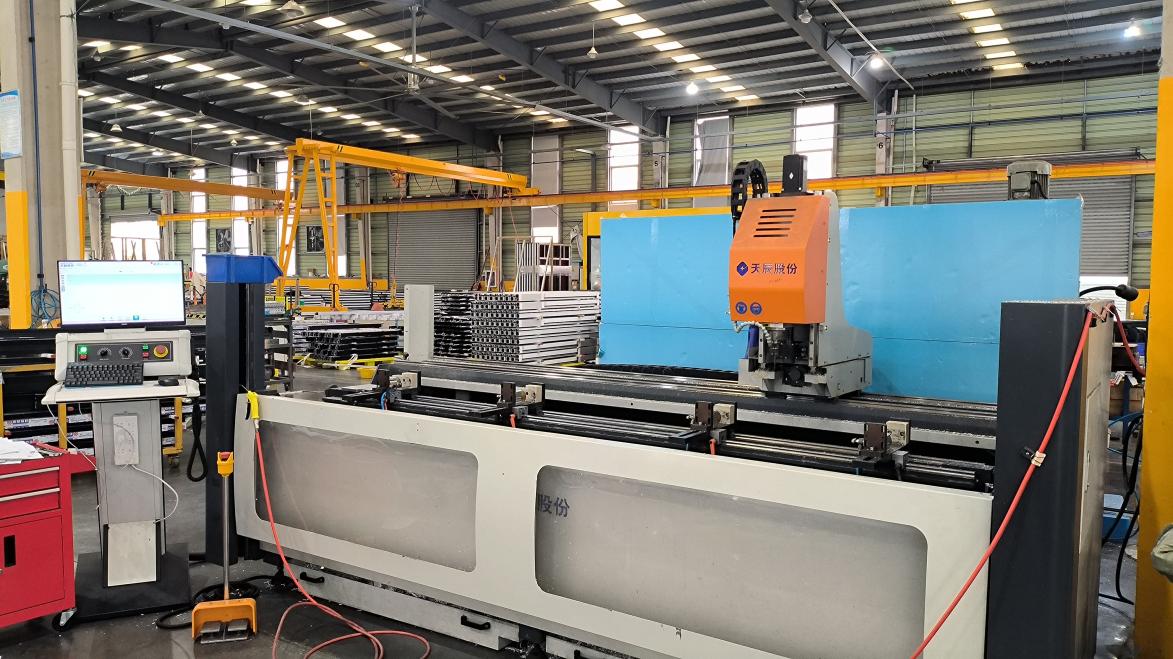
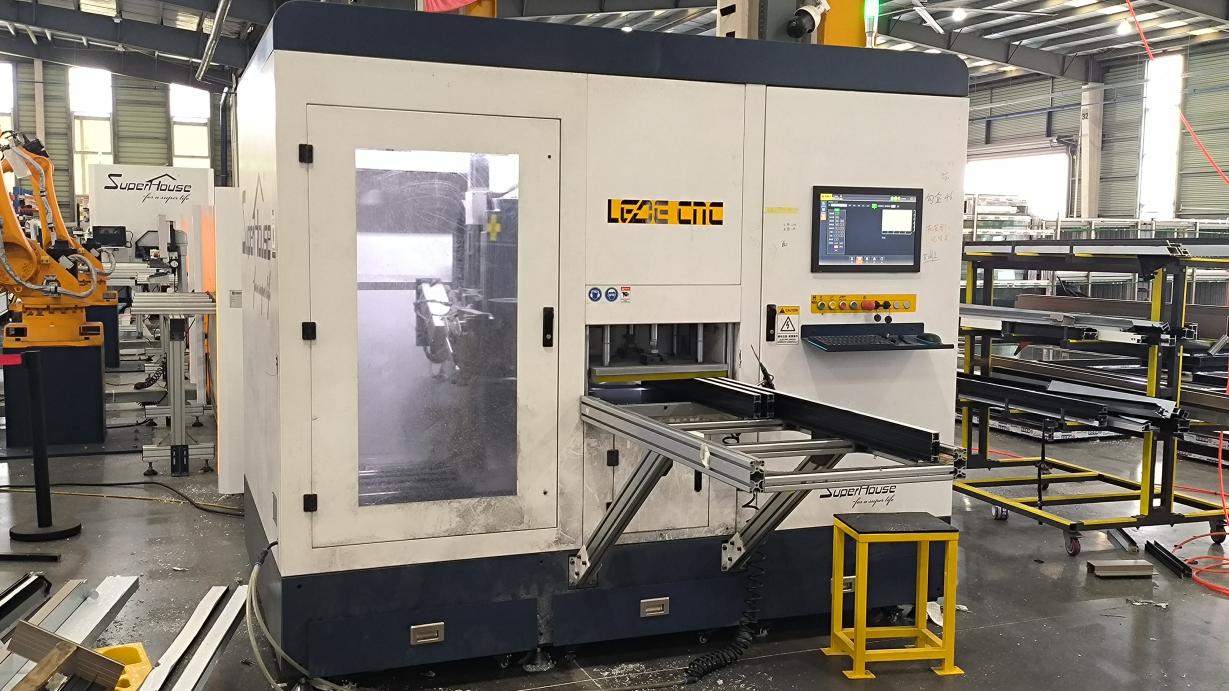
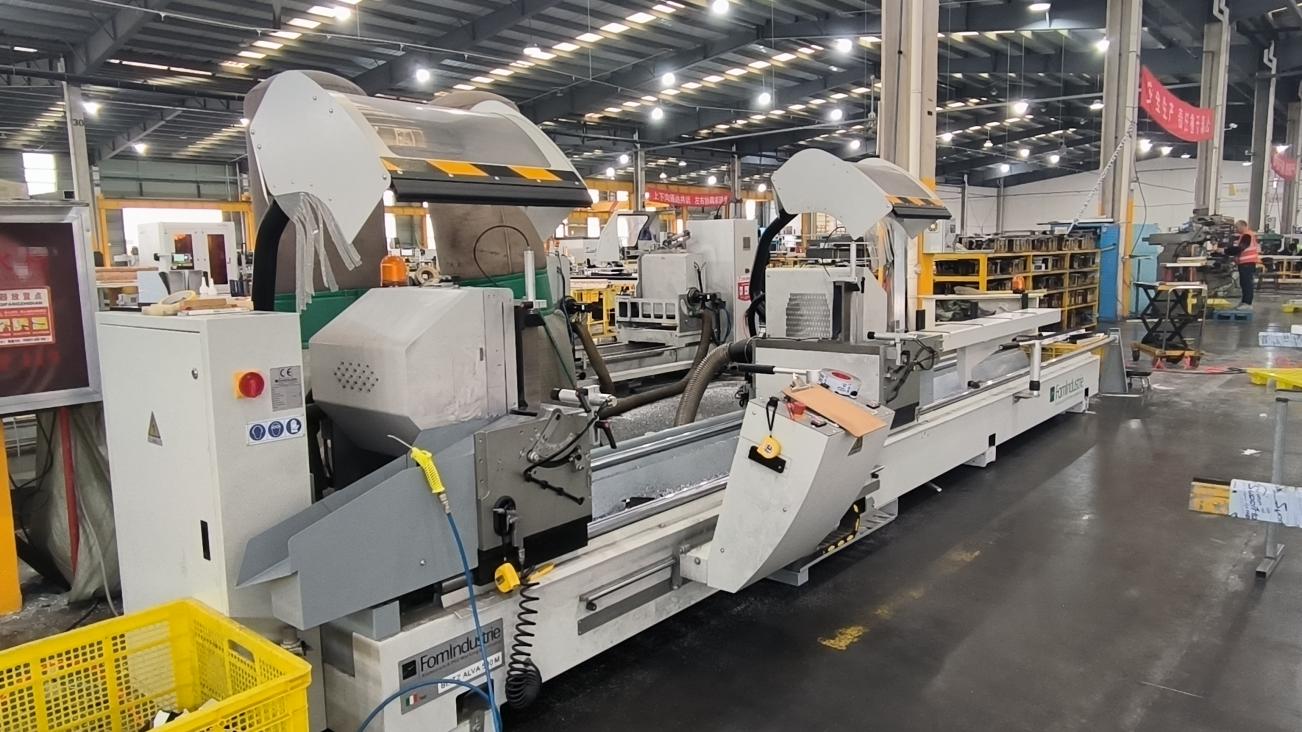
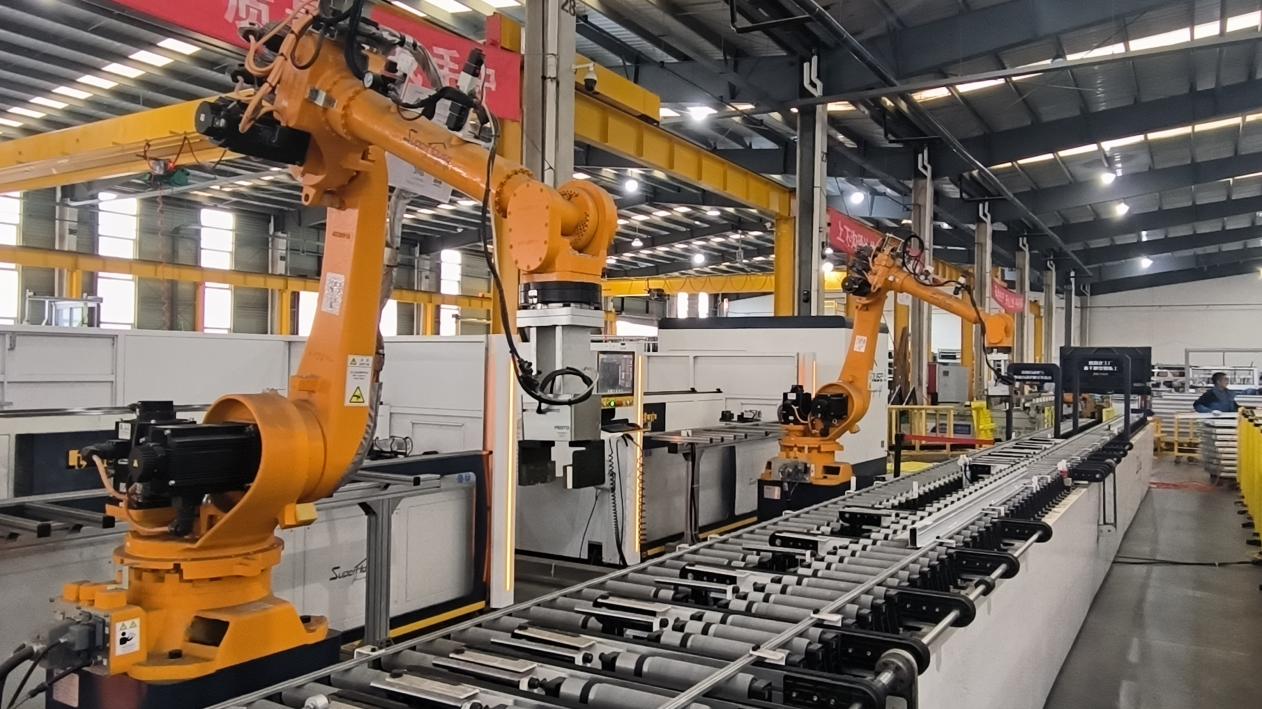
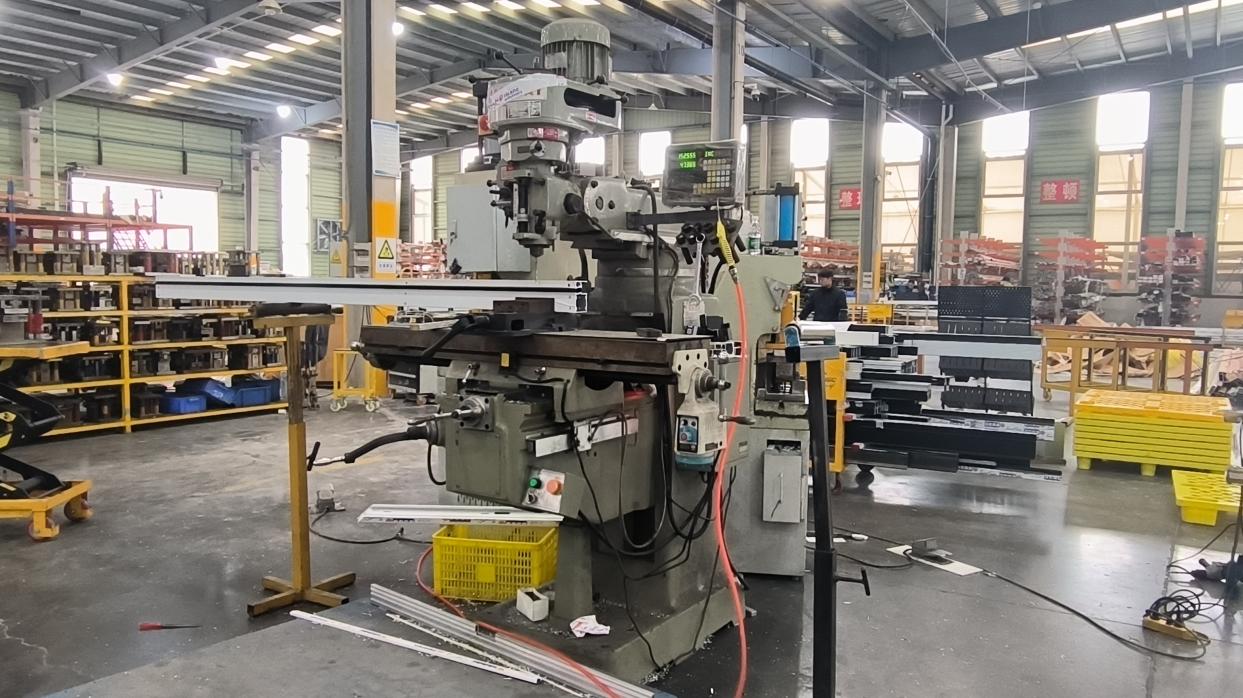
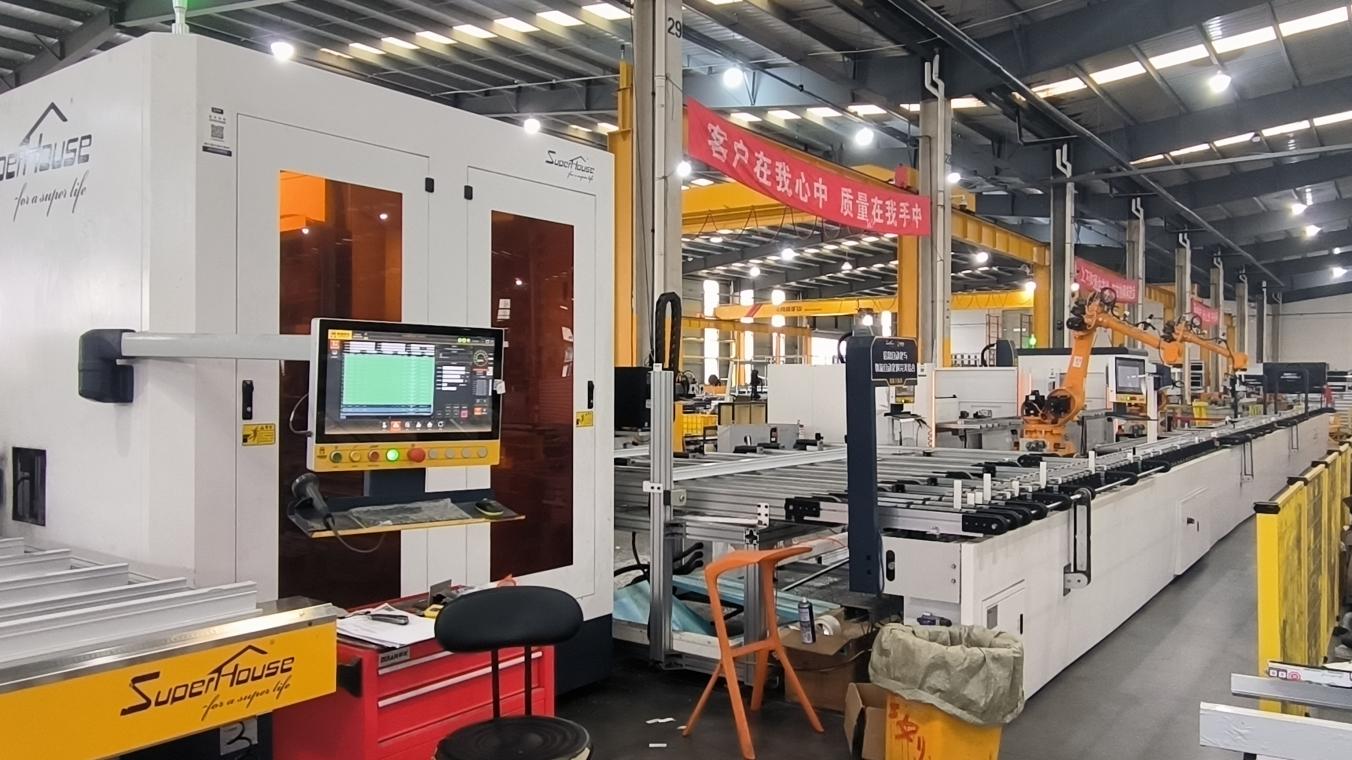
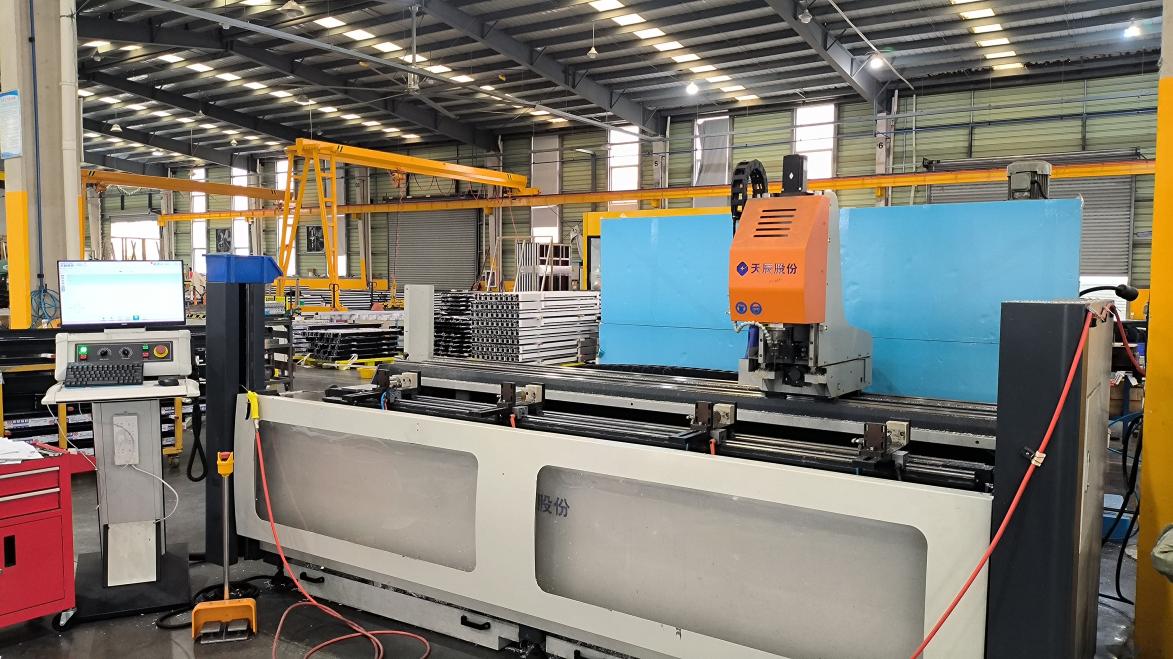
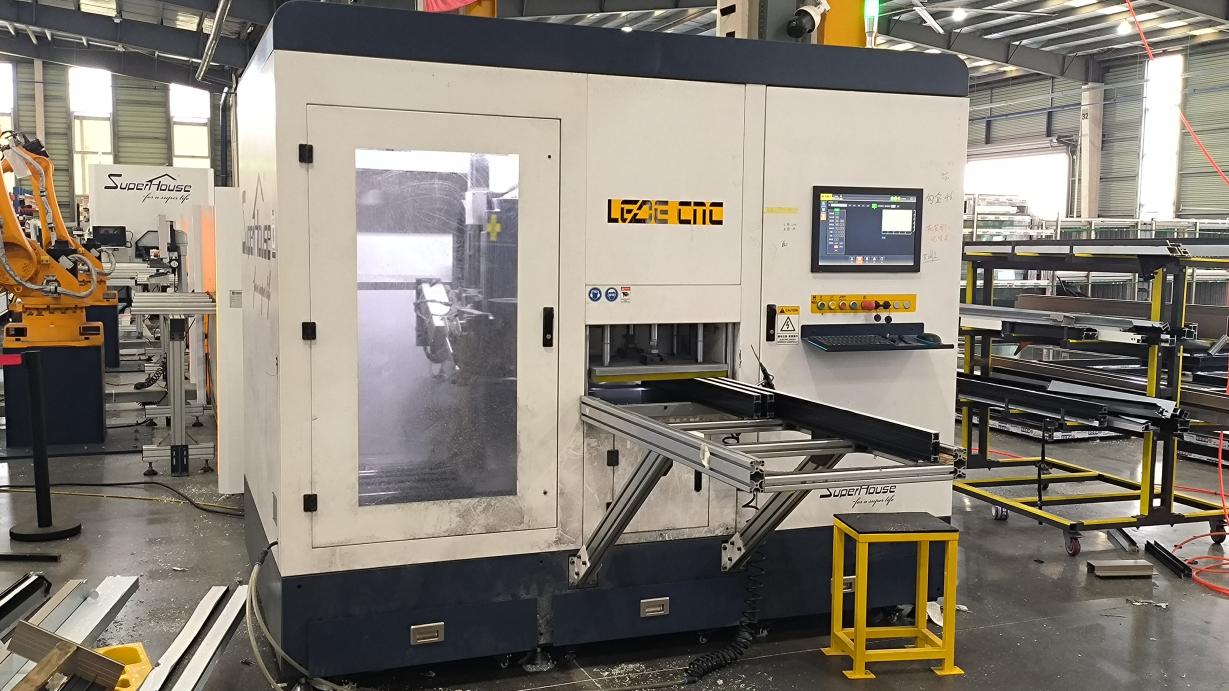
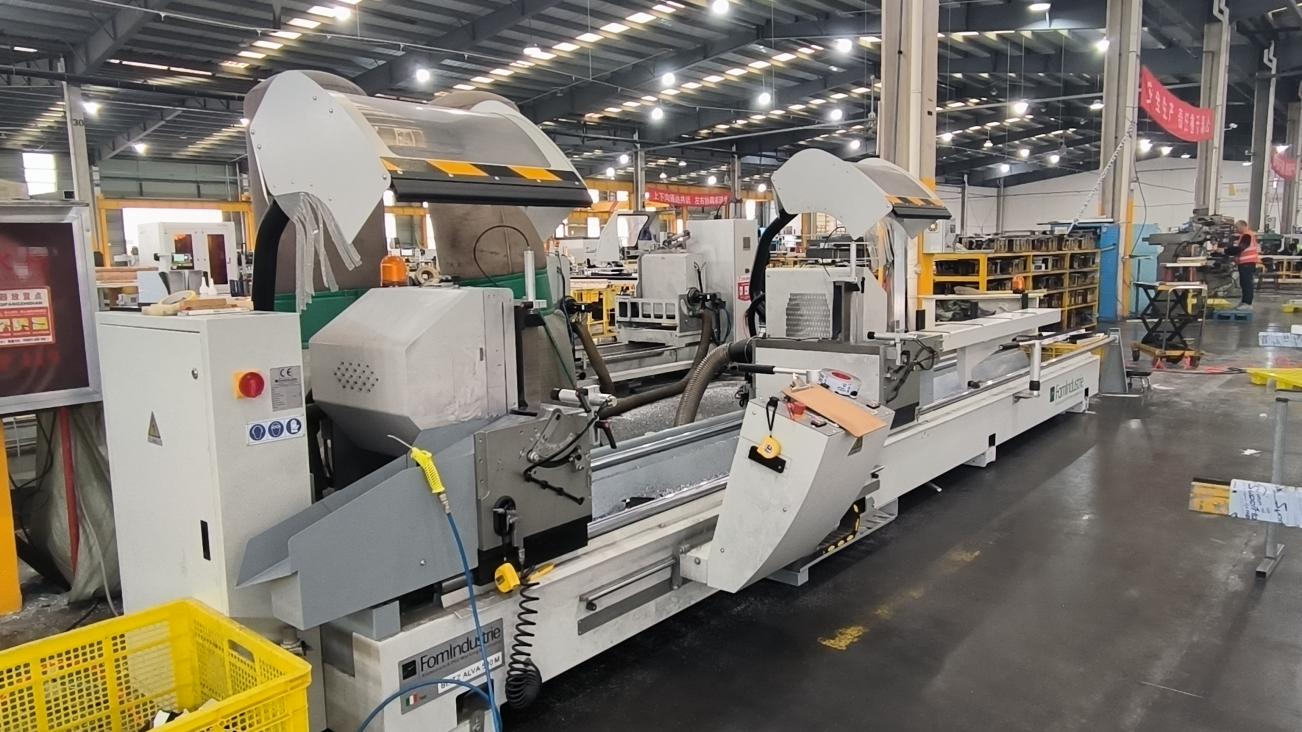
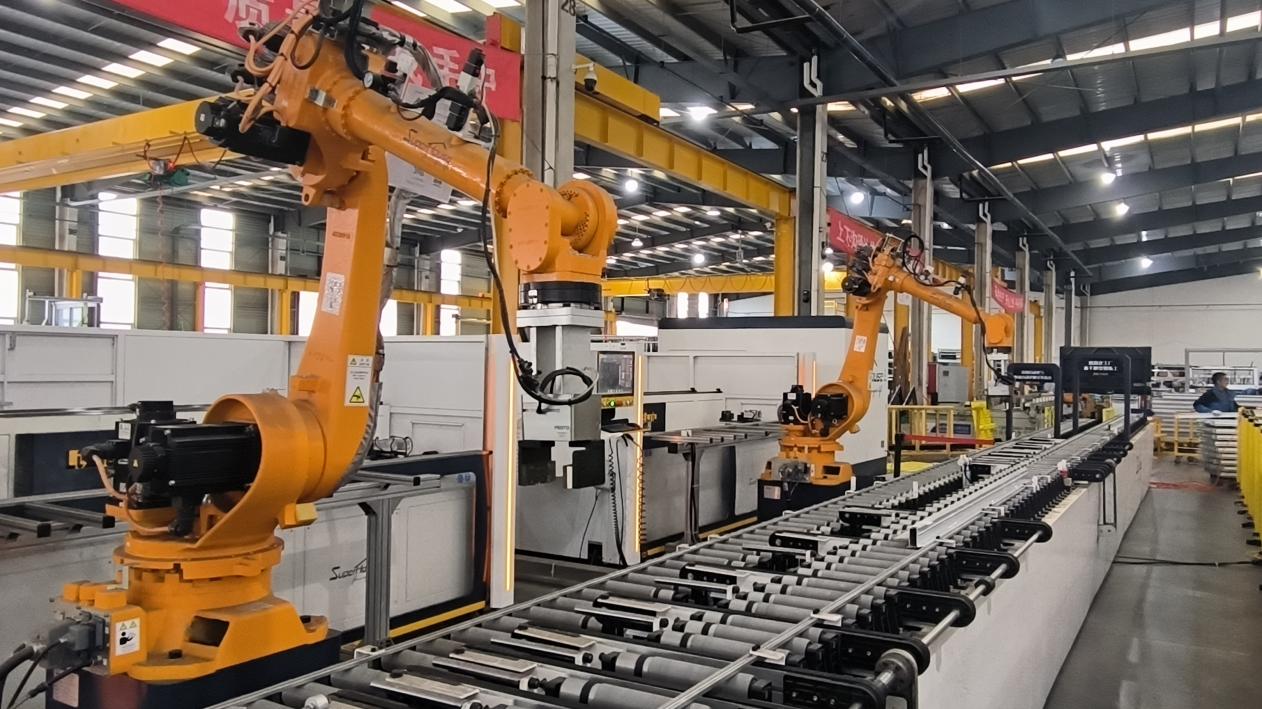
Leading Chinese exporters have replaced manual cutting with high-speed automated extrusion presses (ranging from 1,800 to 5,000 tons of press force) integrated with automated cooling beds and computerized aging ovens. Modern multi-axis CNC machining centers drill, mill, cut, and notch aluminum profiles within sub-millimeter tolerances (+/- 0.05mm), ensuring flawless field installation and airtight corner assembly.
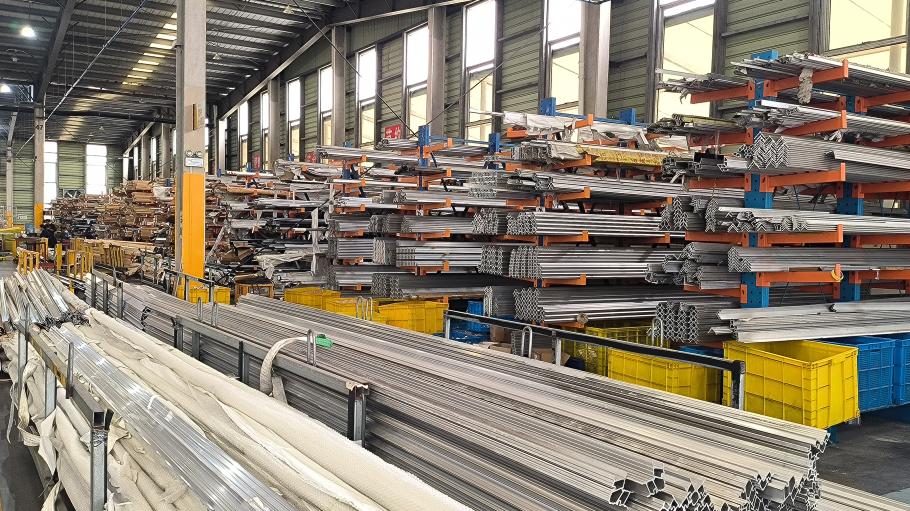
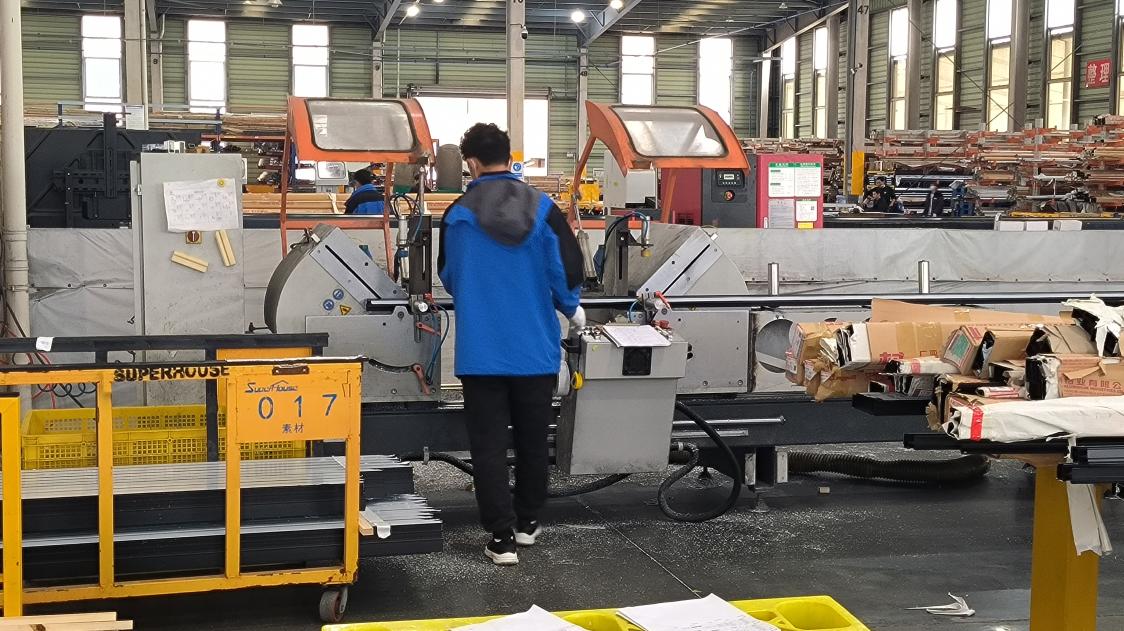
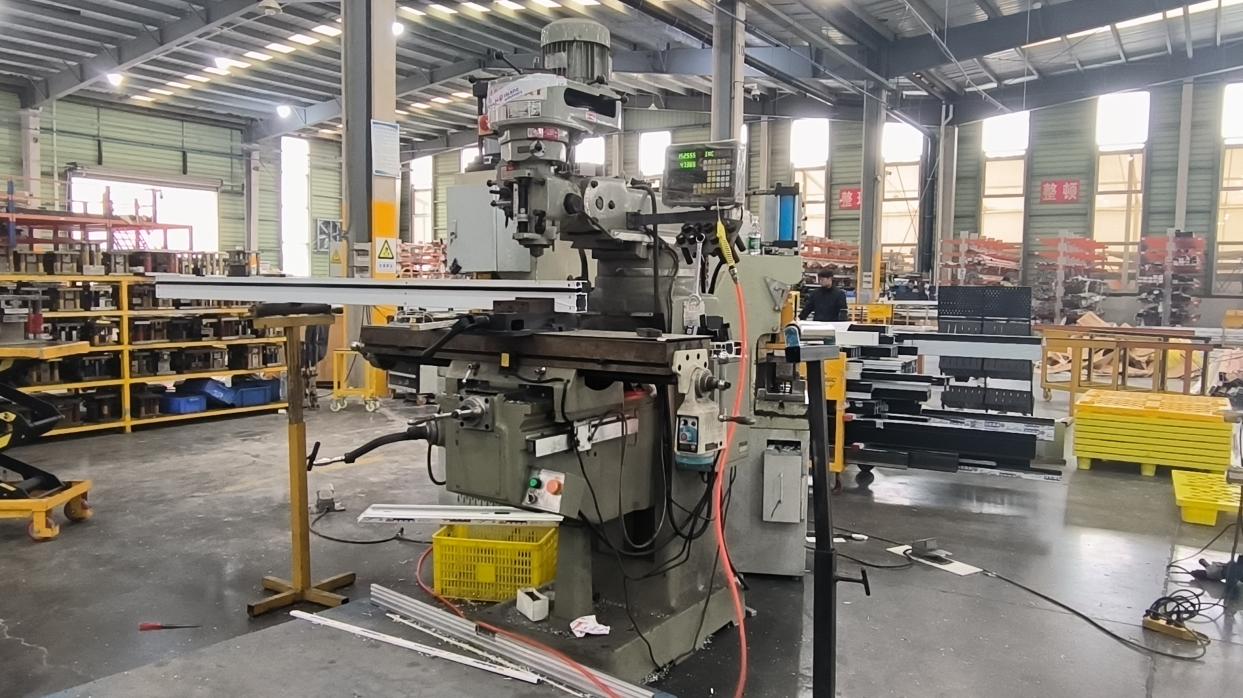
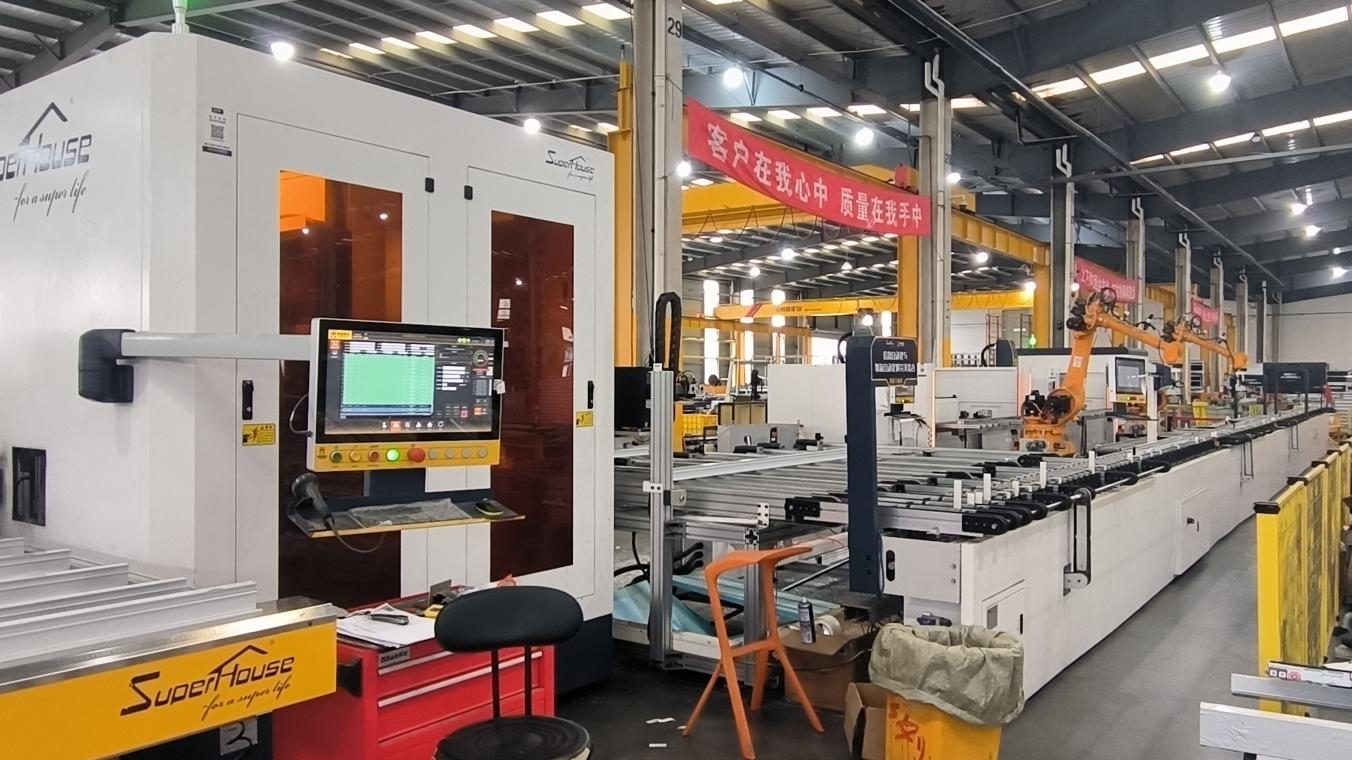
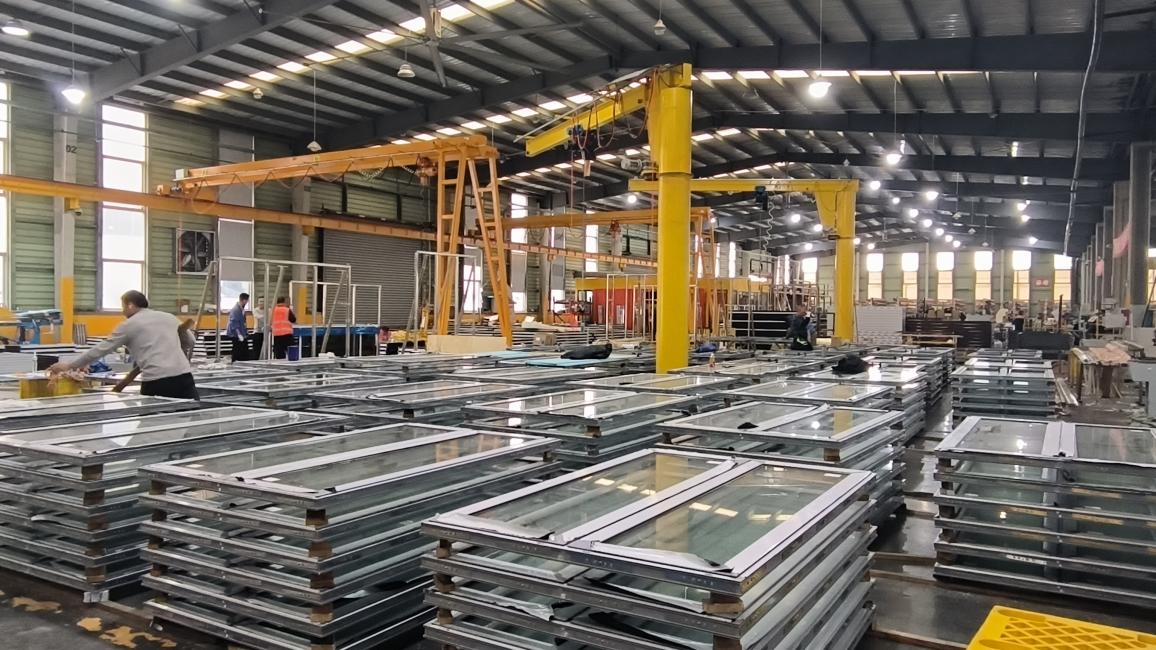
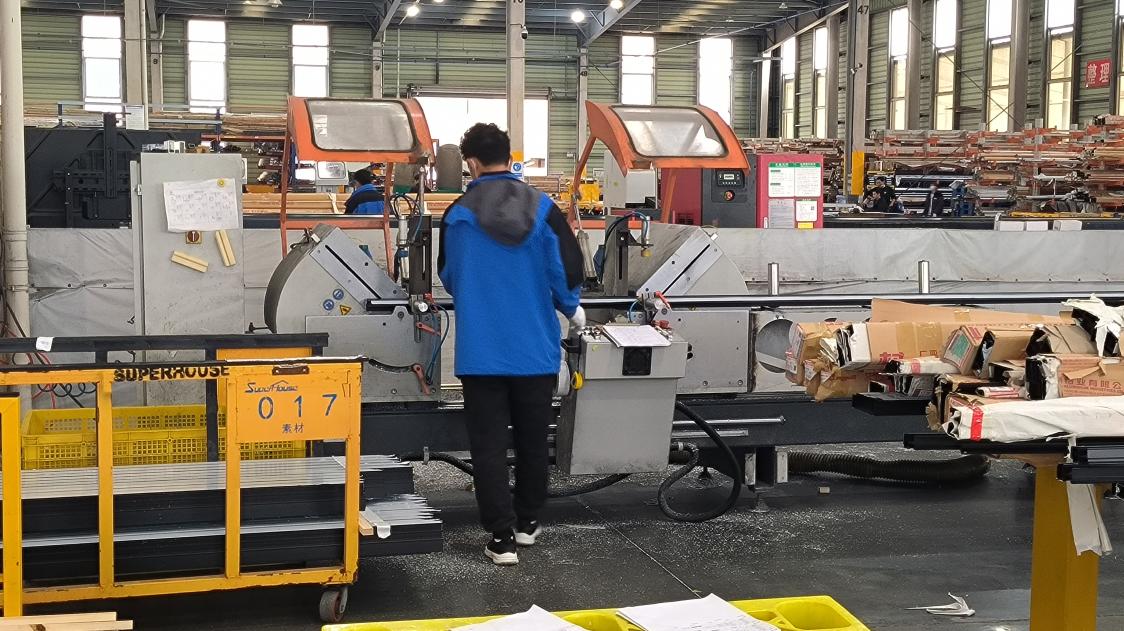
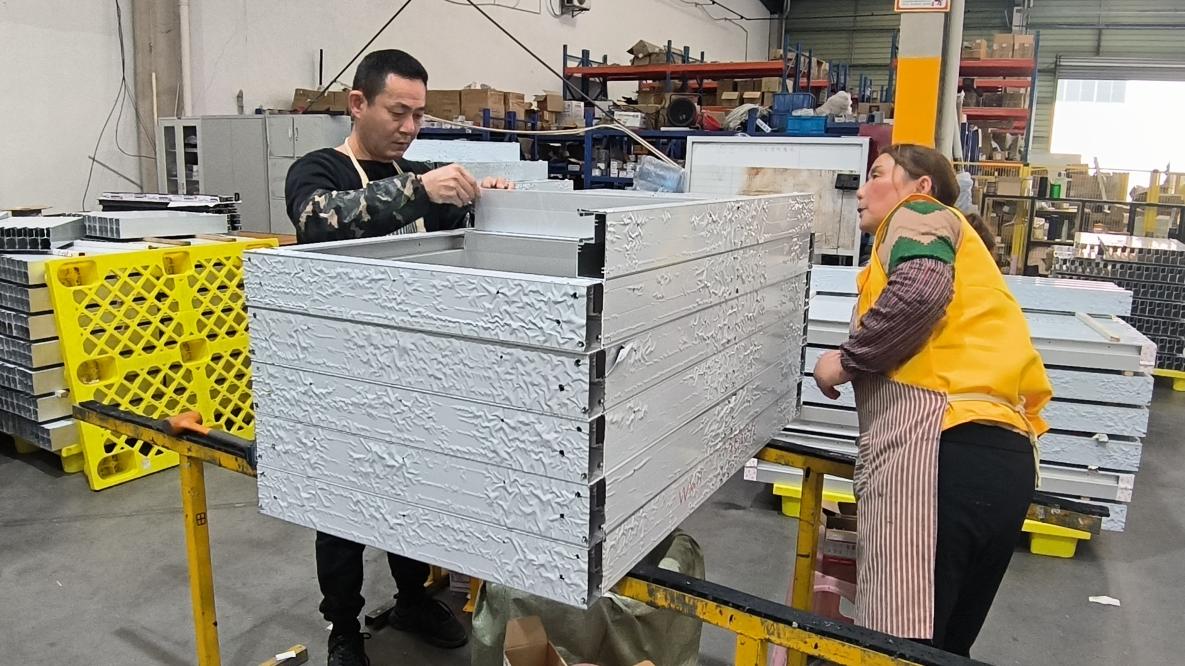
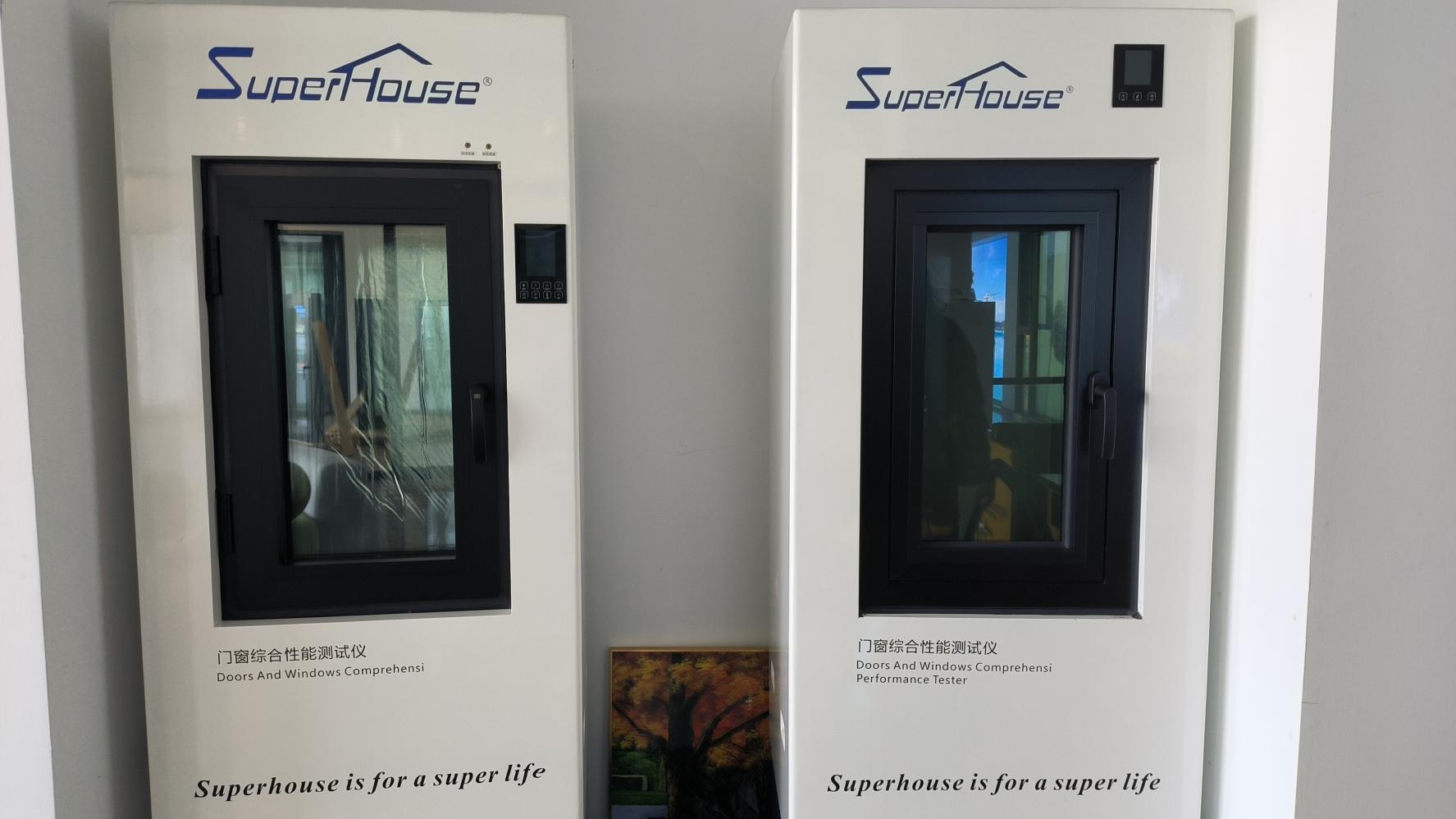
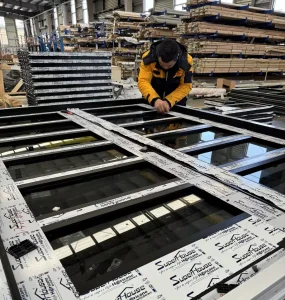
Take an inside look at Grandex's state-of-the-art 35,000 m² factory environment, showcasing the sequential manufacturing stages and specialized machinery that ensure zero-defect quality control.
Architectural aluminum door frames operate under vastly different environmental stressors across global markets. Exporters must engineer systems compliant with regional building codes:
In coastal regions such as Florida, Texas, and the Caribbean, entry doors and framing systems must pass Miami-Dade NOA (Notice of Acceptance) testing standards (TAS 201, 202, 203). Frames require continuous steel reinforcement channels, heavy-duty 304 stainless steel hardware fasteners, and impact-laminated insulated glass pockets capable of resisting large missile strikes (9-pound 2x4 lumber fired at 50 feet per second).
EU building regulations mandate strict thermal transmittance limits ($U_f$ values below 1.0 W/m²K). Reinforced aluminum frames engineered for European applications utilize multi-cavity thermal break strips injected with aerogel or polyurethane foam, combined with triple-glazed Low-E glass units to eliminate heating loss in sub-zero climates.
The Australian standard AS2047 requires fenestration products to undergo rigorous structural deflection, air infiltration, and water penetration resistance testing (exceeding 450 Pa water pressure). Frame systems feature specialized sub-sill drainage tracks and heavy-duty EPDM multi-point compression seals.
Direct factory procurement of structural aluminum frames can significantly reduce total cost of ownership (TCO) while guaranteeing architectural customizability. When negotiating contracts with overseas factories, implement the following risk-mitigation checklist:
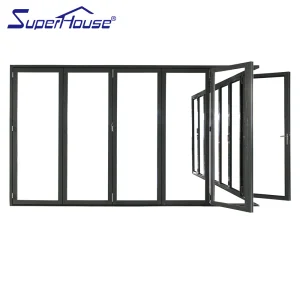
Explore high-performance bi-fold doors, soundproof commercial windows, and smart basement security entrances.
Technical solutions to common procurement and engineering inquiries regarding reinforced aluminum frame systems.
 Grandex Door